
By C.J. Hirschfield
As the former CEO of Children’s Fairyland in Oakland, I appreciate a good folktale. As an aspiring birder, I am fascinated by their remarkable species. And as someone who follows politics, I value learning about how governmental actions can have profound effects on the lives of working people.
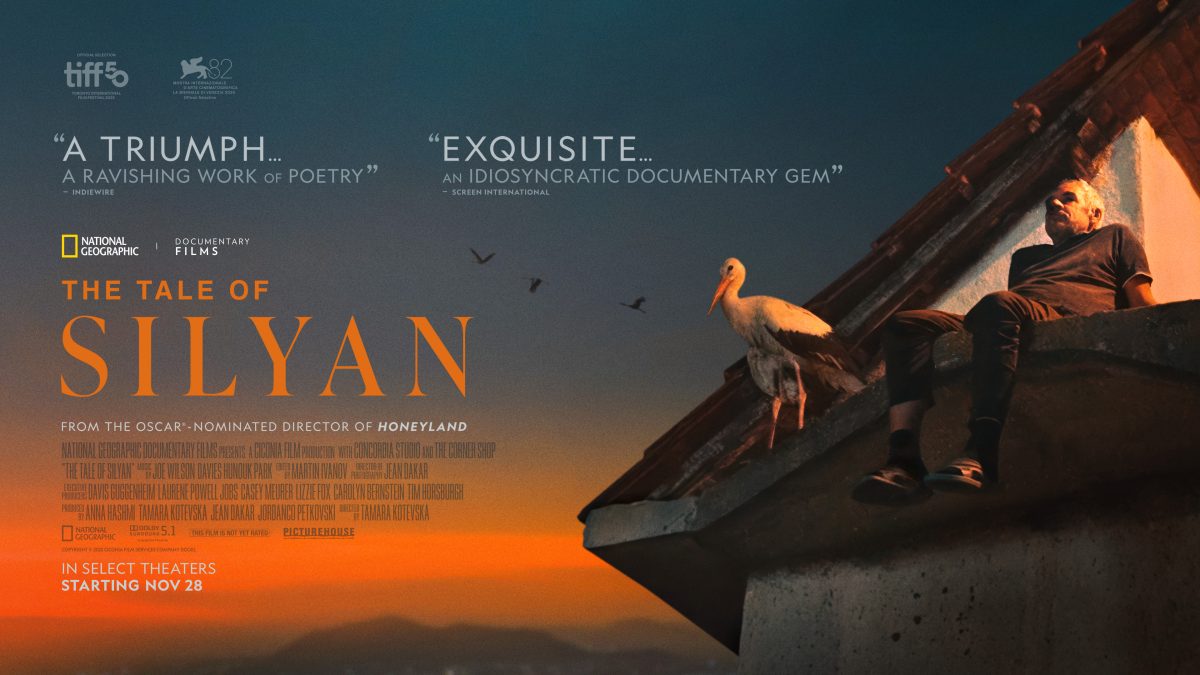 National Geographic Film’s new documentary The Tale of Silyan checks all of these boxes for me—and is stunningly beautiful as well. Director/producer Tamara Kotevska, who also directed the 2019 Oscar-nominated Honeyland, weaves a tale about a down-on-his luck Macedonian farmer who creates a special bond with a wounded white stork—a story that very much parallels a beloved regional folk tale, in which a boy named Silyan is transformed into this regal bird.
What I love about certain documentaries is that you might not think you would care much about the subject at first, only to be drawn into an unfamiliar world that expands your understanding and appreciation of humanity. And what I love about director Kotevska is that she and her crew literally spend years (three each for both Honeyland and Silyan) with their subjects, patiently immersing themselves in the community, gaining trust and intimacy from their subjects (in this case both birds and humans) and letting the stories play out as they will.
While documentaries are nonfiction by definition, there is significant writing and the creation of structure that are both needed to tell a compelling story. Kotevska is a master in this area.
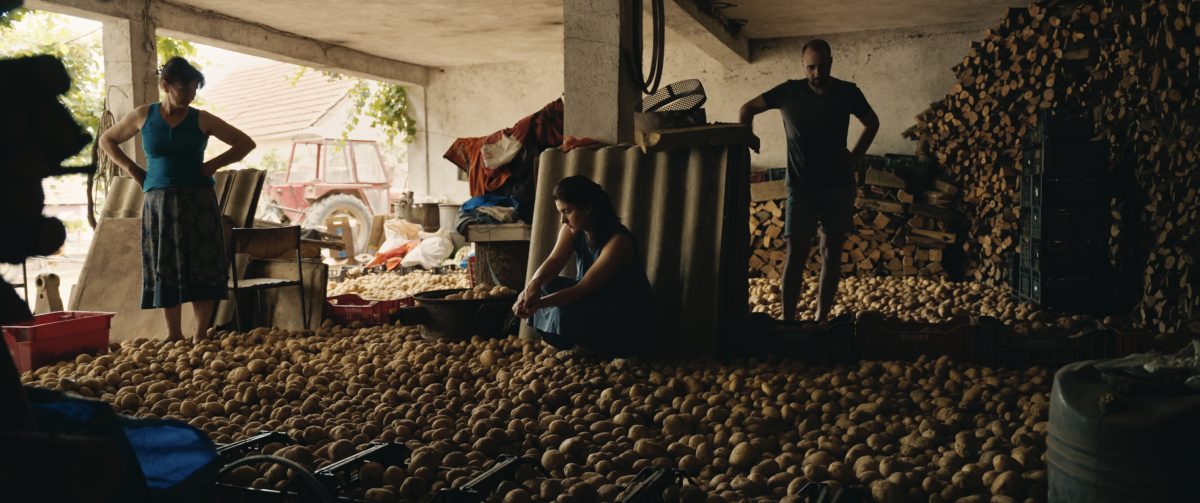
Jana, Ana, and Ana’s husband standing on the hundreds of potatoes they weren’t able to sell at the market. (Credit: Ciconia Film/Jean Dakar)
The film focuses on the latest generation of a longtime farming family, led by a charismatic patriarch, that is being negatively impacted by modern economic forces. Nikola and his family participate in anti-government protests, decrying the decrease in payment for their crops (“Farmers are not slaves”).
Ultimately, both the farmers and storks, who have long relied on the food provided by the once-fertile farmlands, have to migrate to feed their families. For work, Nikola’s family moves to Germany, leaving him alone at the farm. In the folktale, Silyan is also forced to leave his home unwillingly.
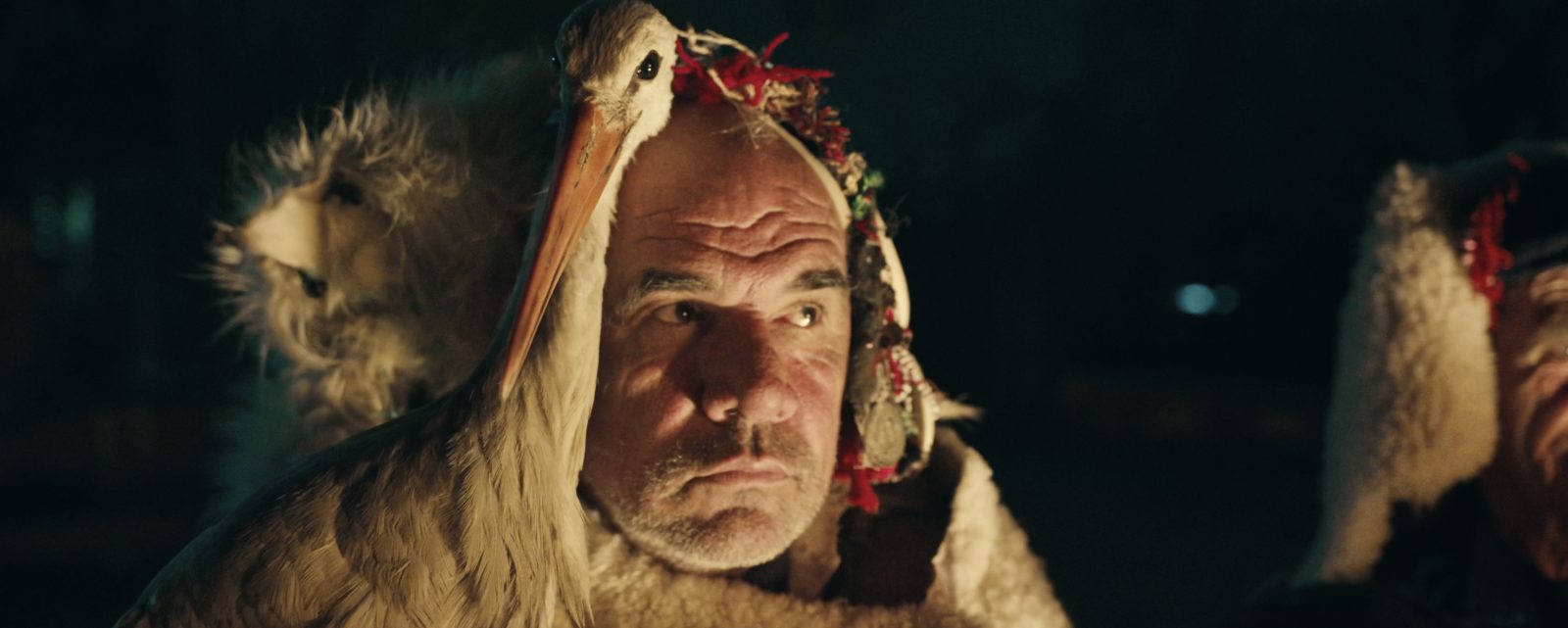
Nikola and Silyan by the fire as Nikola and his friends perform a traditional Macedonian ritual. (Credit: Ciconia Film/Jean Dakar)
Interestingly, the region’s large landfill becomes a powerful symbol for both farmer and stork. For economic reasons, the farmer is forced to abandon his land and go to work as a bulldozer operator at the dump; losing the natural food supply compels the birds to seek food in the same place. It is a forced migration for both, and neither are thriving. It is at the landfill that Nikola encounters a stork with a broken wing that he names Silyan. Their evolving companionship—beautifully filmed—is mesmerizing.
Ultimately, a key decision is made that positively affects the outcome for both Nikola and Silyan—and their families.
And while Macedonia is 6503 miles from where I’m standing, I find myself caring very much.
The Tale of Silyan is showing in theaters across America in December and January including San Francisco Bay Area engagements at the Roxie in SF, Smith Rafael, and Rialto in Sebastopol.
Visit the Official Website to learn about those involved in making the film.
Social media
#TheTaleofSilyan
@natgeodocs
Director Tamara Kotevska
https://www.instagram.com/tamarakotevska/?hl=en
Check here for where it is playing. The listings are not complete and additional dates will be added so check back and ask your local independent cinema to play it.
-
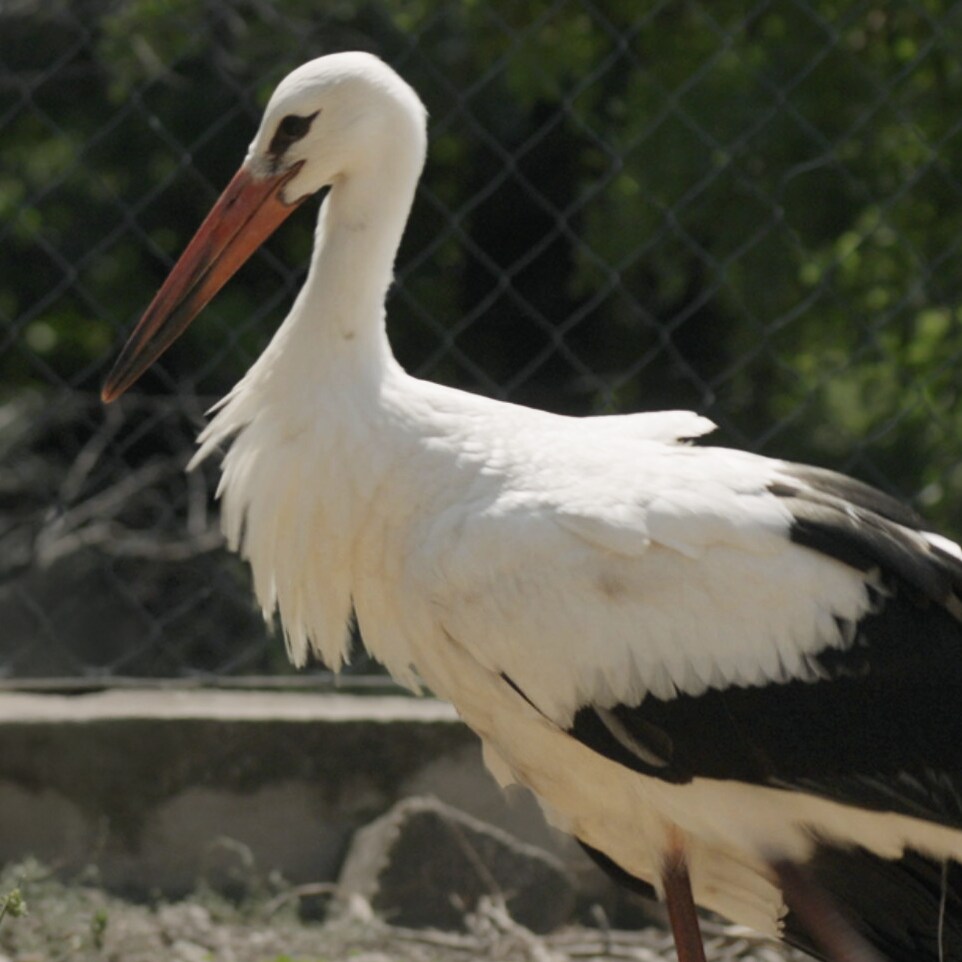
SILYAN (the stork)
Silyan has an elegant body adorned in white feathers and with strong black wings. His eyes are reminiscent of Egyptian pharaohs, their natural makeup drawing the viewer into their deep, dark gaze. Silyan initially appears as a mere misplaced bird, yet subtly reveals his mystical nature throughout the film. As the story unfolds, he appears to exhibit an understanding of human emotions and complexities, mirroring the depth of the human characters around him. A free and wild migratory bird, but unable to fly due to his injured wing, Silyan may have perished on the landfill. Little did he know he would find his salvation in a new family of the human kind.
Read Marya E. Gates’s interview with the director on RogerEbert.com.


C.J. Hirschfield recently retired after 17 years as Executive Director of Children’s Fairyland, where she was charged with the overall operation of the nation’s first storybook theme park. Prior to that, she served as an executive in the cable television industry where she produced two series, ran San Francisco’s public access channel and advocated on behalf of the industry. A former writer for Film Month, she also penned a weekly column for the Piedmont Post for 13 years and now writes features and reviews for EatDrinkFilms. C.J. holds a degree in Film and Broadcasting from Stanford University.
Hirschfield currently serves on the programming team for the Appreciating Diversity Film series showing free documentaries in Oakland and Piedmont, as well as on the advisory board of Youth Beat, a youth media training program that provides low-income Oakland students with the tools and opportunities they need to thrive in today’s workforce.
C.J. says, “A good documentary takes us places we never could never have imagined, and changes the way we see the world.”
 eatdrinkfilms.com