
San Francisco’s A Day of Silents Features a Stellar Lineup of Musicians and Films on Sunday, February 2, 2025.
by Meredith Brody. (January 28,2025)
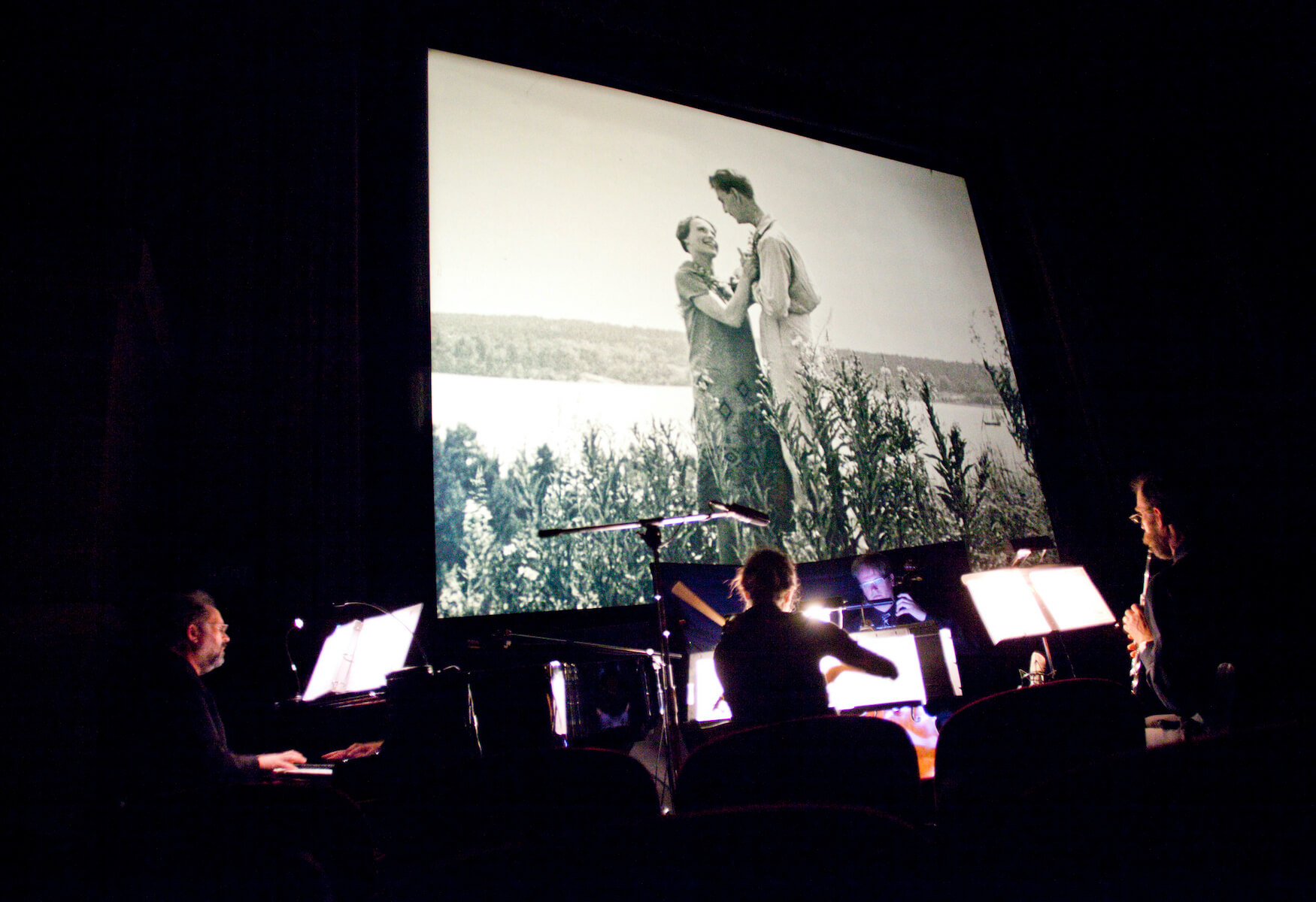
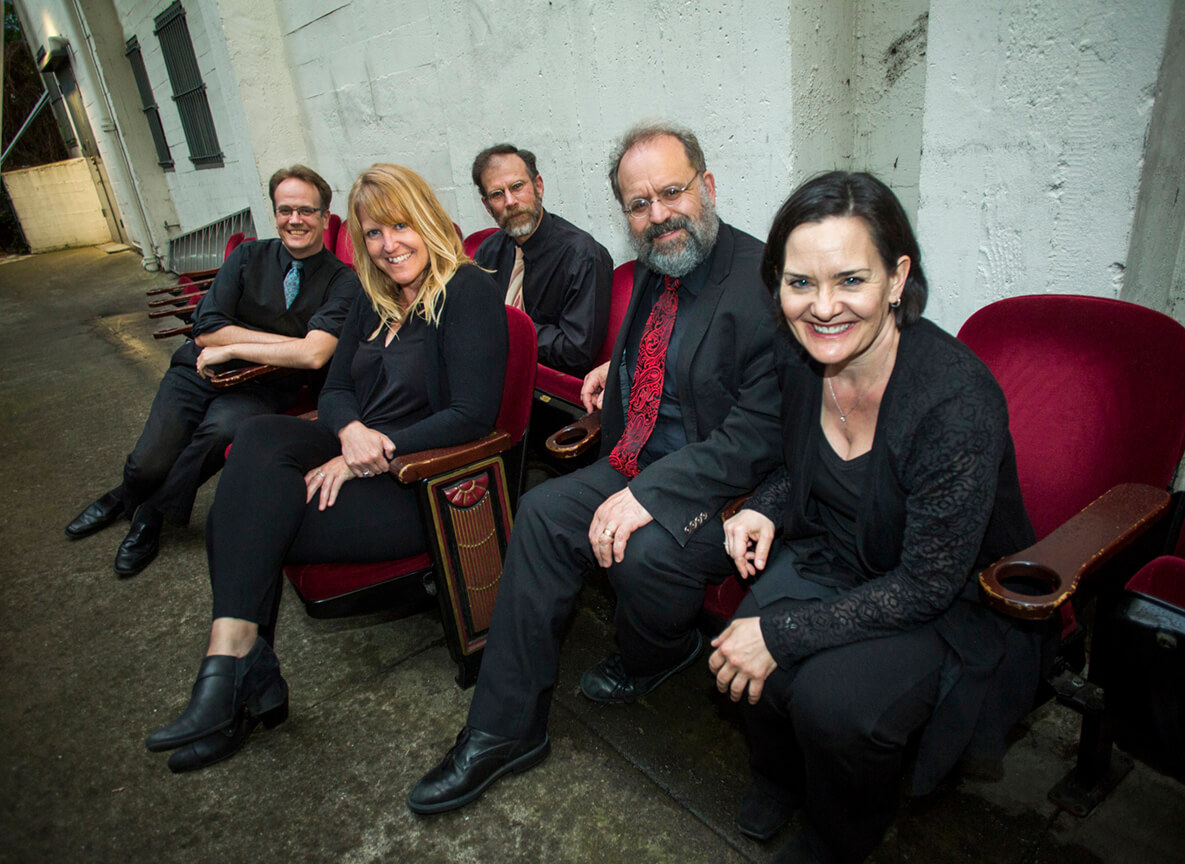
The Mont Alto Motion Picture Orchestra. Photo by Pamela Gentile.
You’ve all heard that silent movies really weren’t SILENT: they all had live musical accompaniment, ranging from a solitary guy at an upright piano or a mighty Wurlitzer to up-to-110-member symphonic orchestras. When Carmine Coppola was about to go on tour in 1981 to conduct his new score for his son Francis Ford Coppola’s restoration of Abel Gance’s 1927 Napoleon, he reminisced about the silent movie palaces of his youth: “”When I was really young,” Mr. Coppola recalled, ”I would go to Broadway to see a movie. I remember The Thief of Bagdad, with Douglas Fairbanks; he always insisted on an original score. Those theaters – the Strand, the Rialto, the Rivoli, the Capitol – had 40-or 50-piece orchestras. It was so beautiful. I saw the Big Parade that way and What Price Glory and The Three Musketeers. ”
And long before he wrote the music for Black Stallion, Apocalypse Now, and Napoleon, Mr. Coppola played in an orchestra pit in his native Brooklyn. ”We had a flute, clarinet, trumpet, drums, piano, bass and cello. We also had an organ to relieve the orchestra.”
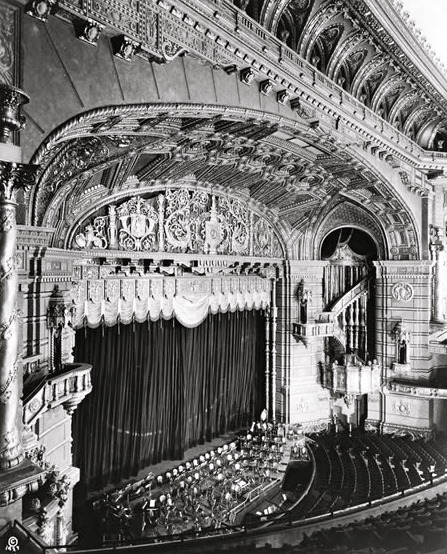
The largest live orchestra was at the Roxy Theatre In New York: a 110 piece orchestra and a three-consoled Kimball Organ. The theater was demolished in 1960. Sound effects could be rendered on some organs, and there were also Foley effects specialists who had a wide range of percussive and specialty items to duplicate everything from horses’ hooves to thunder to gunfire.
I was introduced to silent cinema on a regular basis at the old Palais de Chaillot location of the Cinémathèque Française, where every day at 3 pm they would screen a different silent movie – COMPLETELY silent. I would often walk over from my morning classes at the Cordon Bleu cooking school, where we had cooked and then consumed what we’d made as lunch. Often the loudest noise in the theater was the grumbling from my stomach digesting the day’s assignment.
The legendary founder of the Cinémathèque, Henri Langlois maintained that he showed silents that way so the audience could concentrate on the images. In truth, he couldn’t afford to even pay someone to place a needle on a record.
I did discover the seductive world of silent cinema and sought out opportunities to see as much as I could, eventually even making pilgrimages abroad to such temples of silent cinema as the Pordenone Silent Film Festival and Il Cinema Ritrovato in Bologna, where all the silent screenings are accompanied by live music (again, ranging from one guy at a piano to large symphonic orchestras).
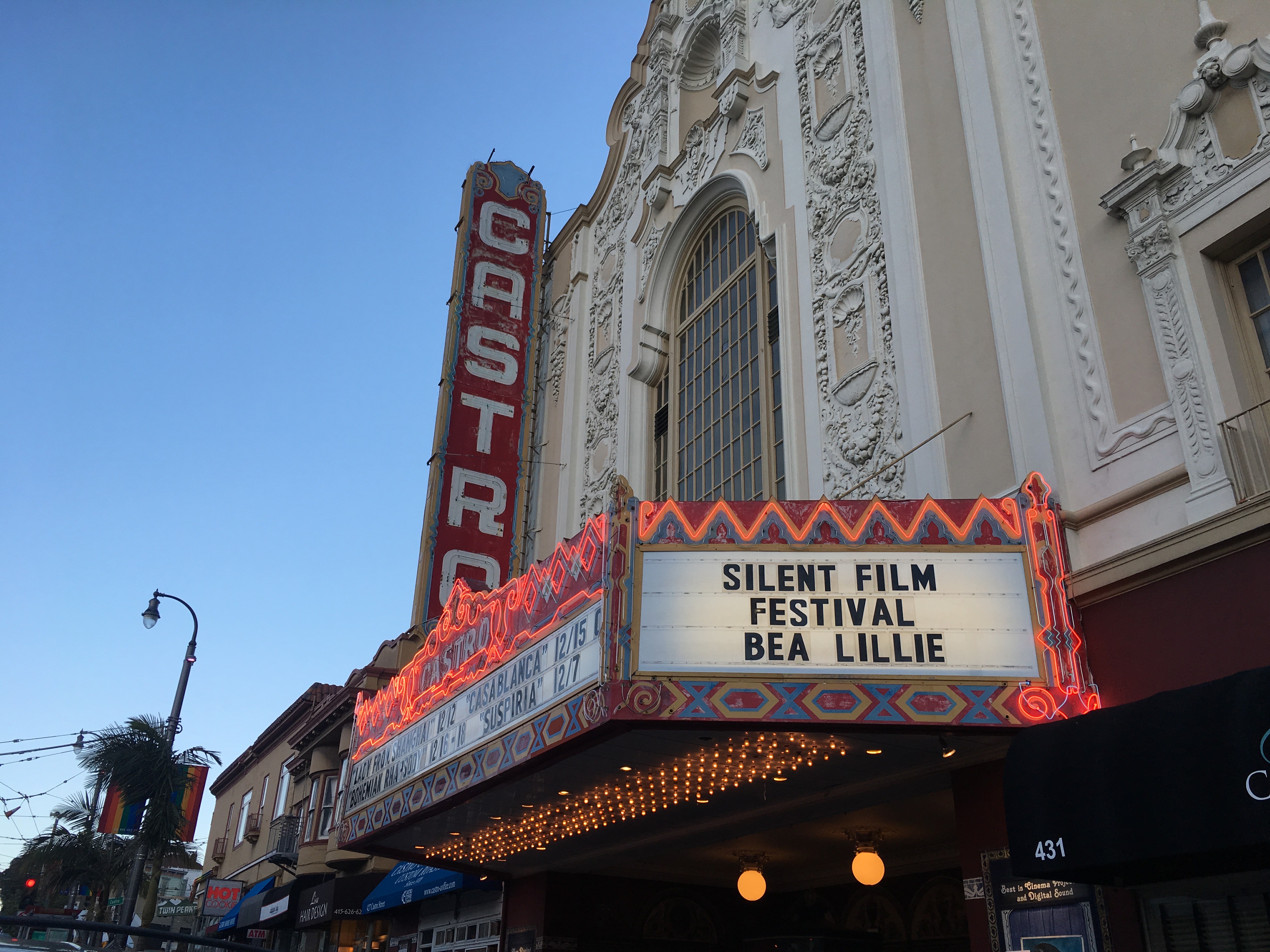
Photo by Gary Meyer
When I moved to San Francisco, I was thrilled to discover a full-blown Silent Film Festival already in place, with a similar ethos when it came to live music. The first year I attended, I picked and chose among its offerings, but I quickly realized that was a mistake. The combination of the film, the music, and the fully entranced audience made each screening a uniquely exciting, singular event. I have gone to every movie in every iteration of the San Francisco Silent Film Festival ever since. It’s a world-class, destination event.
The Festival usually appears in the spring. Waiting for the Castro Theatre restoration to be complete, Festival Directors Stacey Wisnia and Anita Monga are targeting November for the annual five day festival But in winter they always offer “A Day of Silents,” a beautifully curated program, this year, of four films of diverse types, each featuring its own interesting musical accompaniment, at the SF Jazz Center with its fantastic Meyer Sound system and perfect acoustics for live music. You can purchase a pass for the entire day or buy individual tickets to any of the four movies.

Mont Alto Motion Picture Orchestra. Photo by Pamela Gentile.
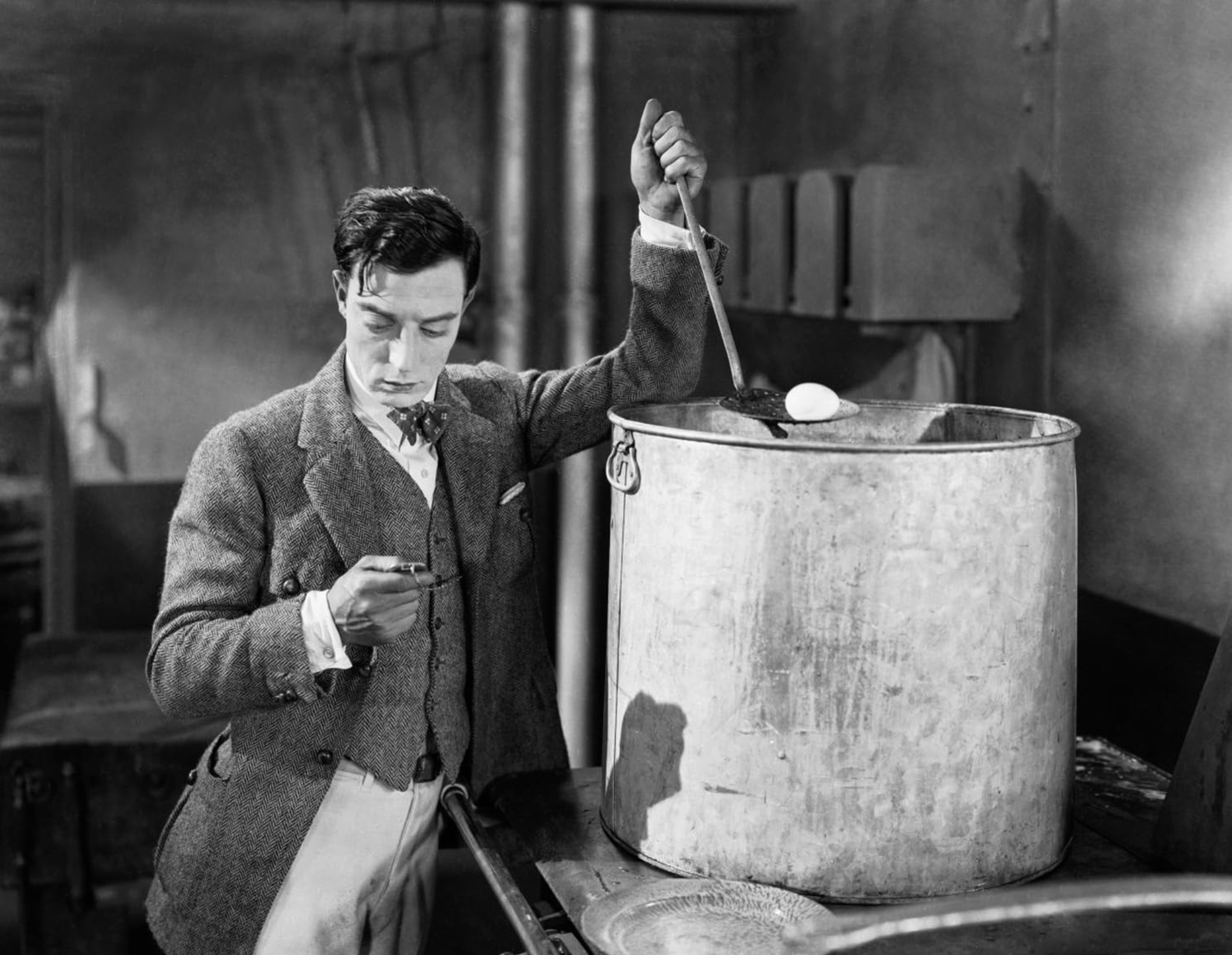
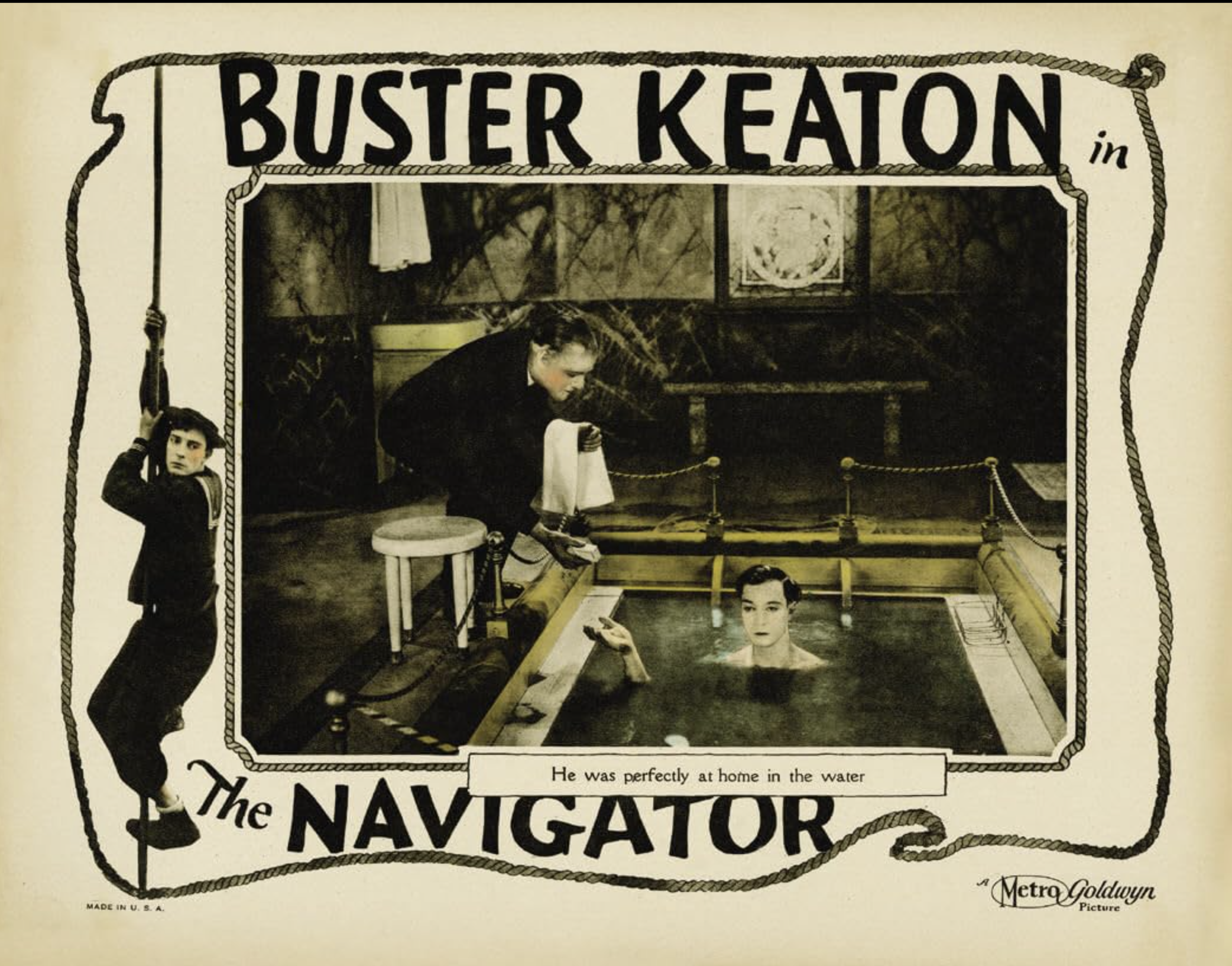
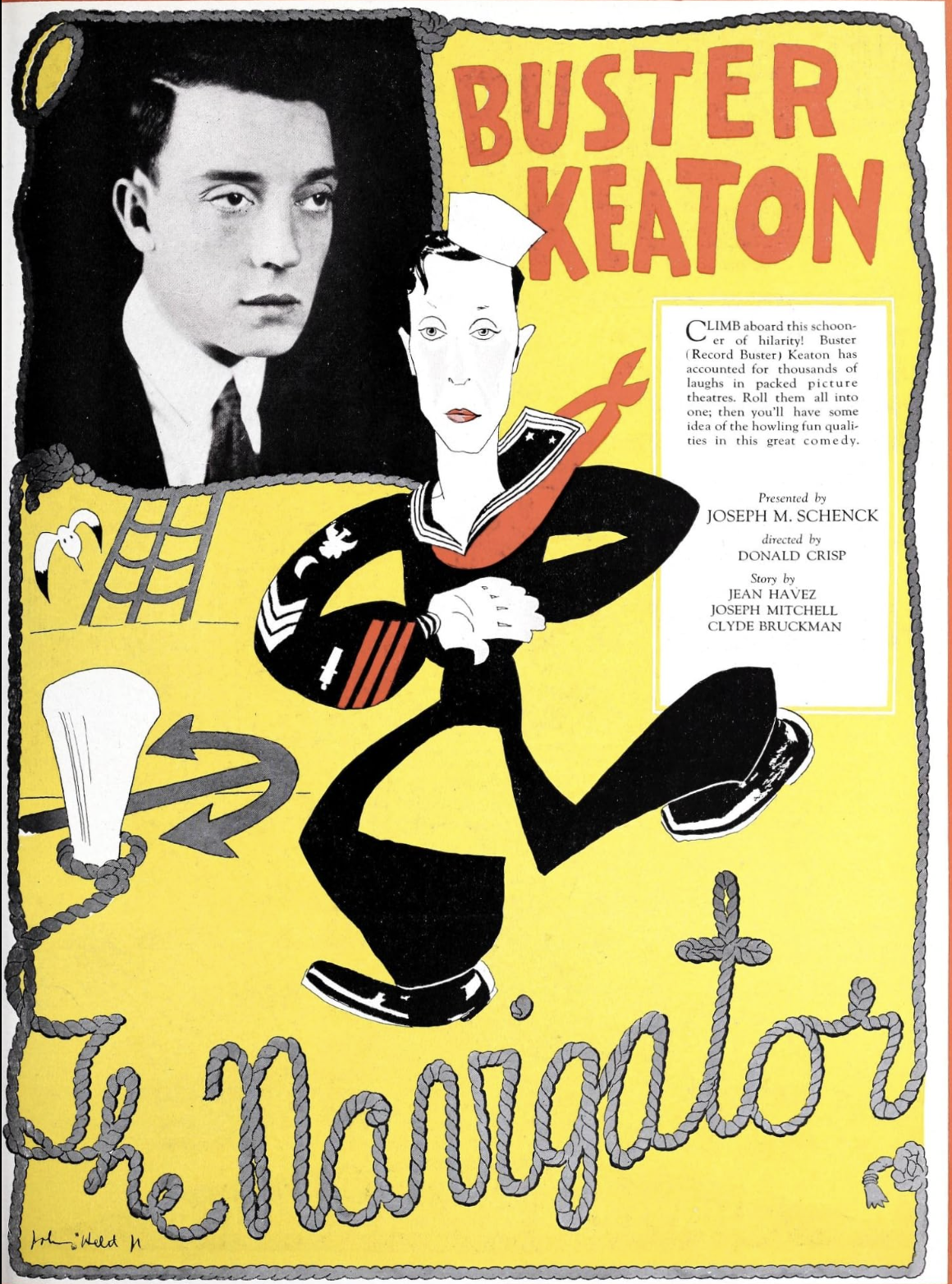
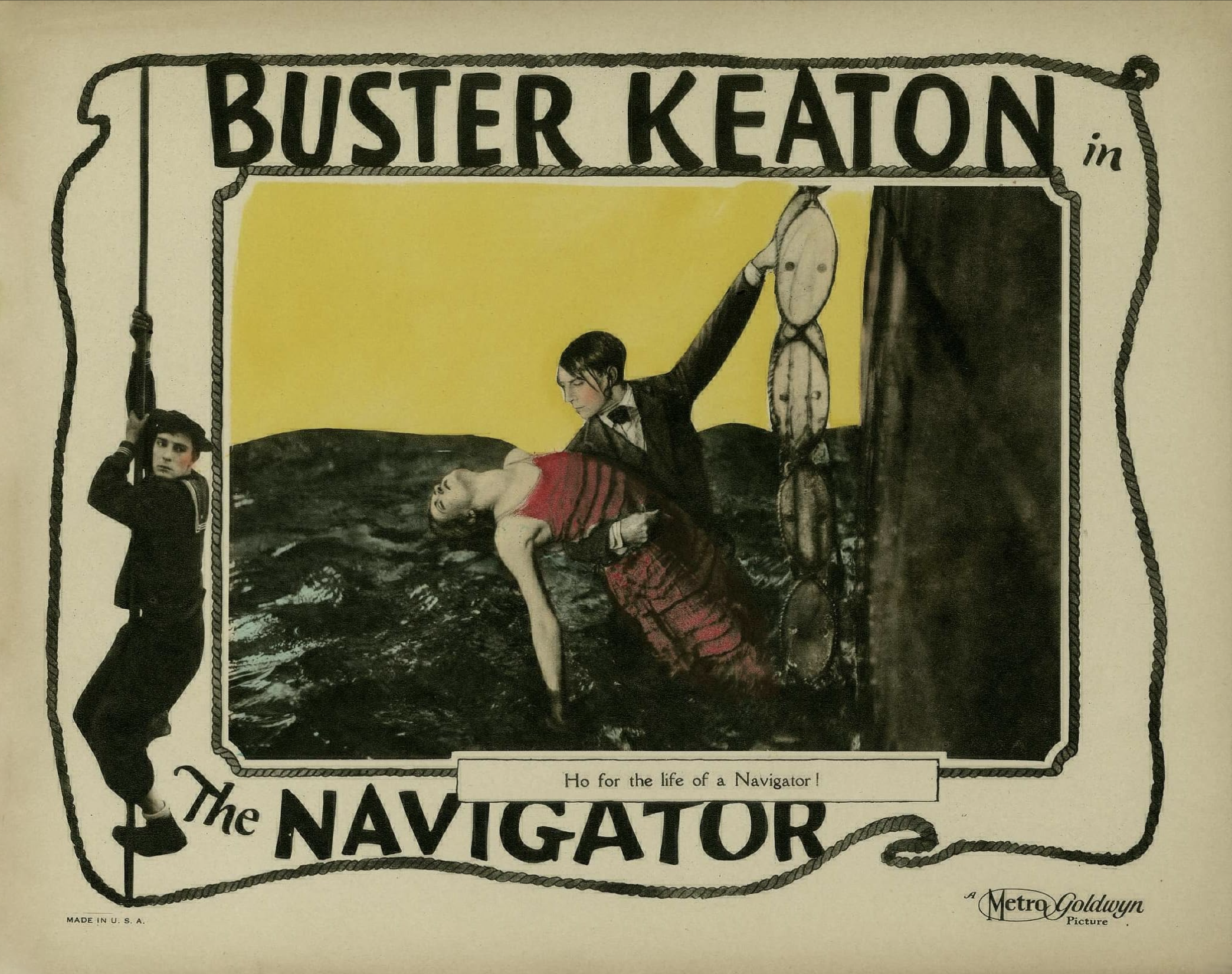
 On Sunday, February 2 at Noon, we’ll be treated to Buster Keaton’s delightful 1924 slapstick comedy The Navigator at noon, a brisk and hilarious hour long, perfect for bringing the kiddies, and accompanied by the world-renowned Colorado based five-member Mont Alto Motion Picture Orchestra. When I asked the Mont Alto’s leader, Rodney Sauer, by email about his scores for both this and Children of Divorce, he responded “Both of these film scores come from our ‘back catalog,’ meaning that I scored them some time ago.
“Mont Alto’s score for The Navigator comes from 2001, early in my career when I didn’t own a lot of photoplay music. Those who have heard a lot of our scores will hear some pieces I used in other films at the time, such as our scores for Keaton’s The General and The Goat. There’s nothing wrong with that: it’s how compilation scoring is supposed to work.
There are two philosophies of playing for a comedy like The Navigator. One is to score very tightly to the action so that you have musical “hits” for every bit of screen action. Nobody did this during the silent era; with the exception of pit drummers, who had learned in the days of vaudeville how to follow comedy and “catch” all of the slaps and pratfalls.
The other philosophy is to pick a piece that supports the mood of the scene overall, and just play that, letting the comedy pace itself. By not being constrained to track the film, the music can often be more successful as a composition. This is what I’ve largely done in this film. There are three places where I do time the music closely to the action…. but I’ll leave it to the audience to observe where those instances are.
The island full of cannibals calls for cannibal music. For those sequences you’ll hear photoplay music that was composed for Native American scenes, such as Gaston Borch’s ‘Indian War-Song,’ and also generic ‘hurry music’ like Domenico Savino’s ‘The Flight.’
One other complication arose at our first rehearsal: this new restoration of The Navigator was transferred at a slower speed than the 16mm prints we originally compiled the score to accompany. So most of the musical cues needed to be lengthened by adding repeats and extra sections.”
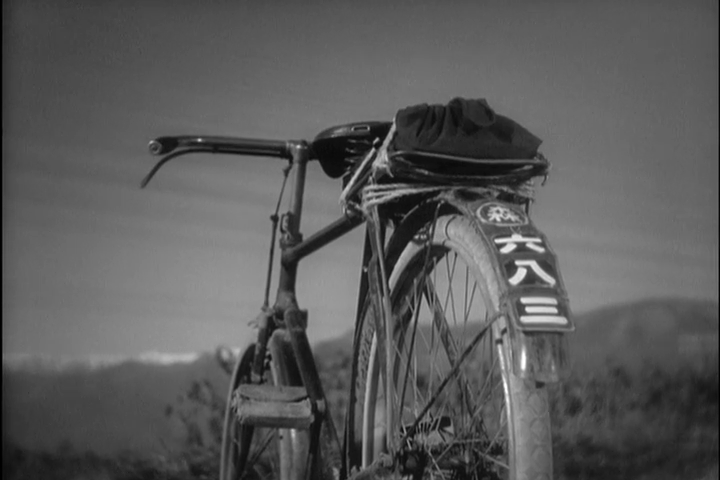
 At 2:00 PM, the mood shifts for Japanese director Yasujiro Ozu’s elegiac, beautiful The Story of Floating Weeds, made in 1934 (In Japan, silent films continued being made well into the 30s), a story of relationships in a traveling kabuki theater ensemble that so suited Ozu that he remade it in color in 1959 as Floating Weeds. The musical accompaniment is by Guenter Buchwald, based in Germany, who travels all over the world to perform live, often with other collaborators. For the “A Day of Silents,” he’ll be playing with the SF Conservatory of Music Orchestra and New York based multi-instrumentalist Mas Koga.
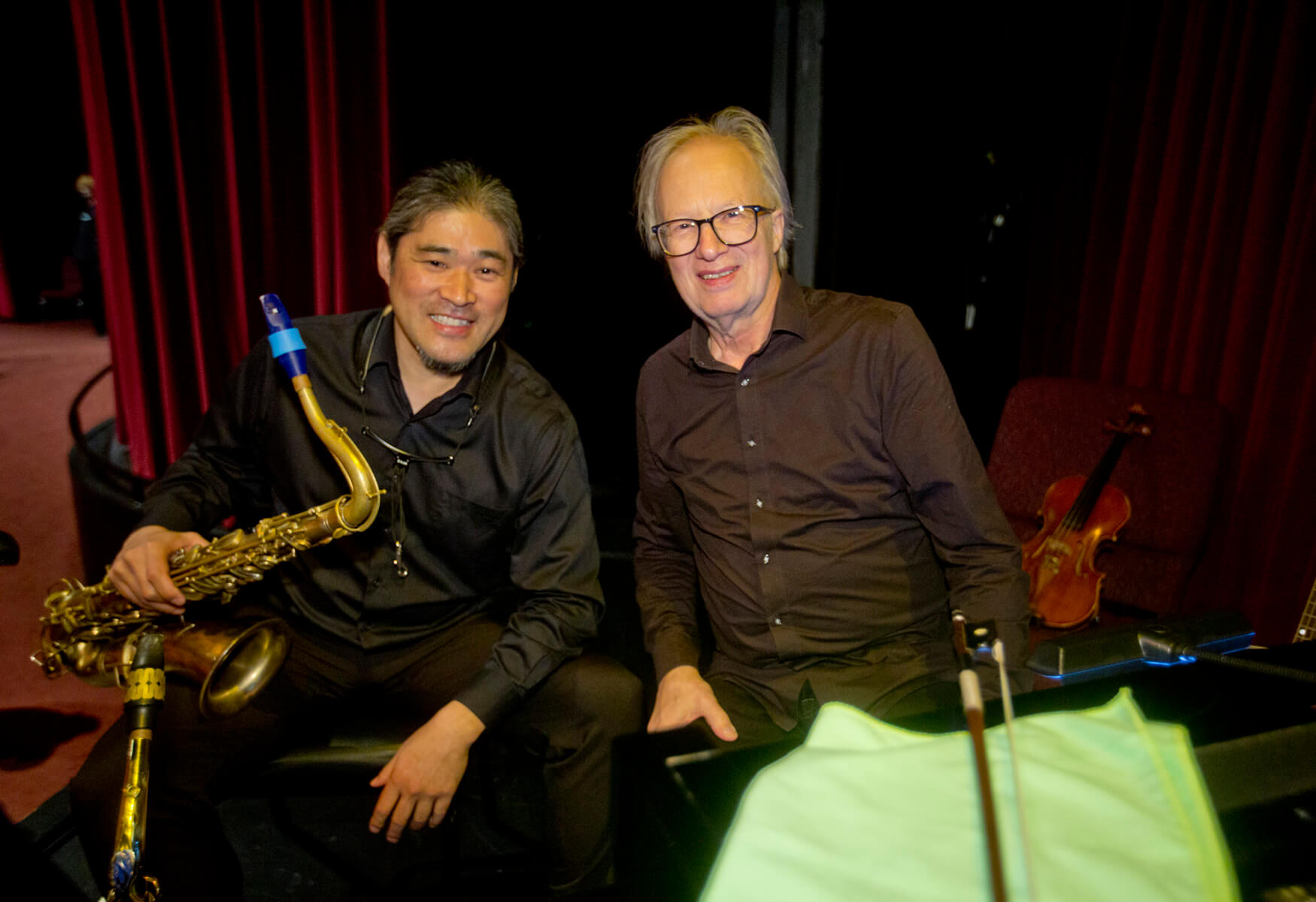
Mas Koga and Guenter Buchwald. Photo courtesy of the San Francisco Silent Film Festival)
Guenter told me, “One of my first encounters with Japanese silent movies happened in 1985 when I played for Teinosuke Kinugasa’s A Page of Madness (1926). Another challenge was the commission for an orchestral score for What Made Her Do It? (1929/30), directed by Shigeyoshi Suzuki.
Since then I have scored at least 30 Japanese silent classics. I consider them all as masterpieces. About A Story of Floating Weeds/ Ukigusa Monogatari I noted in my diary:
‘Ozu succeeds in creating a small universe of 90 minutes in which every detail is harmonious; in short: a work of art.’
I am all the more delighted to be able to form a duo with Mas Kasuga again. Our music will be completely freely improvised. In a sensitive musical dialogue, we will interpret the equally sensitive film plot, giving it a musical-acoustic counterpart.”

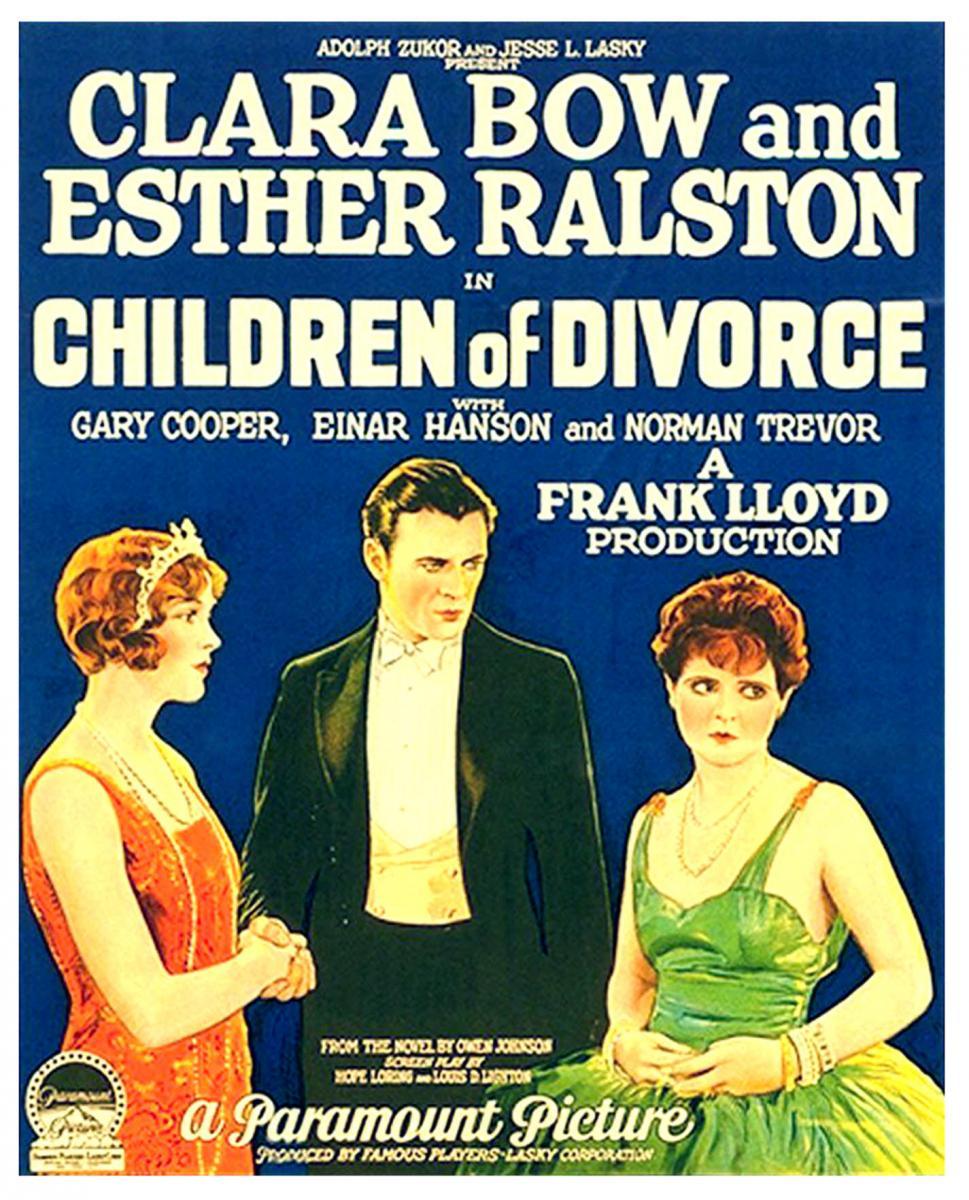
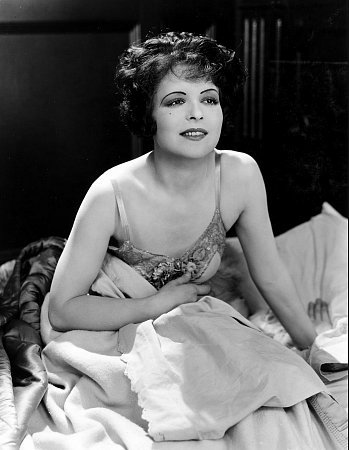
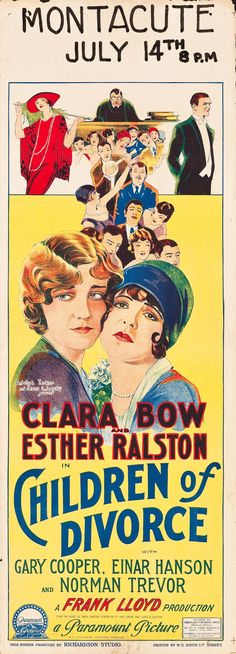
At 4:30 PM, the melodramatic Children of Divorce, 1927, starring the impossibly beautiful Gary Cooper and the impossibly adorable Clara Bow, will be accompanied by the Mont Alto Motion Picture Orchestra. Sauer relates: “Children of Divorce is a much more serious film [than The Navigator], and calls for more serious music. This was one of the last projects we finished with David Shepard, and includes some of the most beautiful pieces of photoplay music in our collection.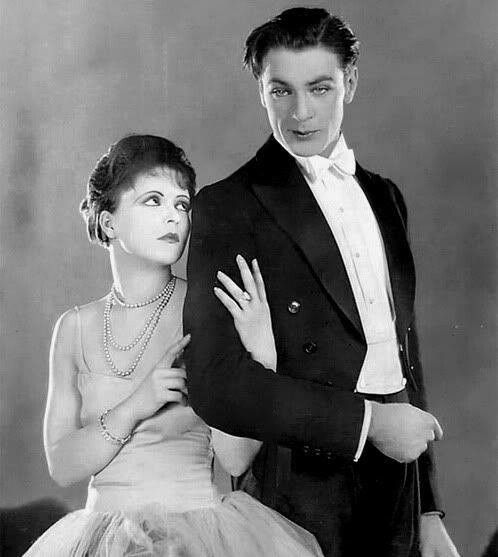
It’s not common for us to use a lot of ‘theme songs’ since a piece chosen for one character often doesn’t work all the way through a film. But the way this story is told, we were able to choose recurring themes for Clara Bow and Esther Ralston’s friendship, starting in childhood; Clara Bow and Einar Hanson’s doomed romance; and a theme for Gary Cooper’s love for Esther Ralston.
The frequent parties in the movie call for uptempo foxtrots from the late 1920s, so popular music pieces show up several times.
Three of the major love themes for this film, “Entreaty,” “Heart o’ Dreams,” and “Romance D’Amour,” appear on our album Entreaty, which can be purchased or streamed online.”

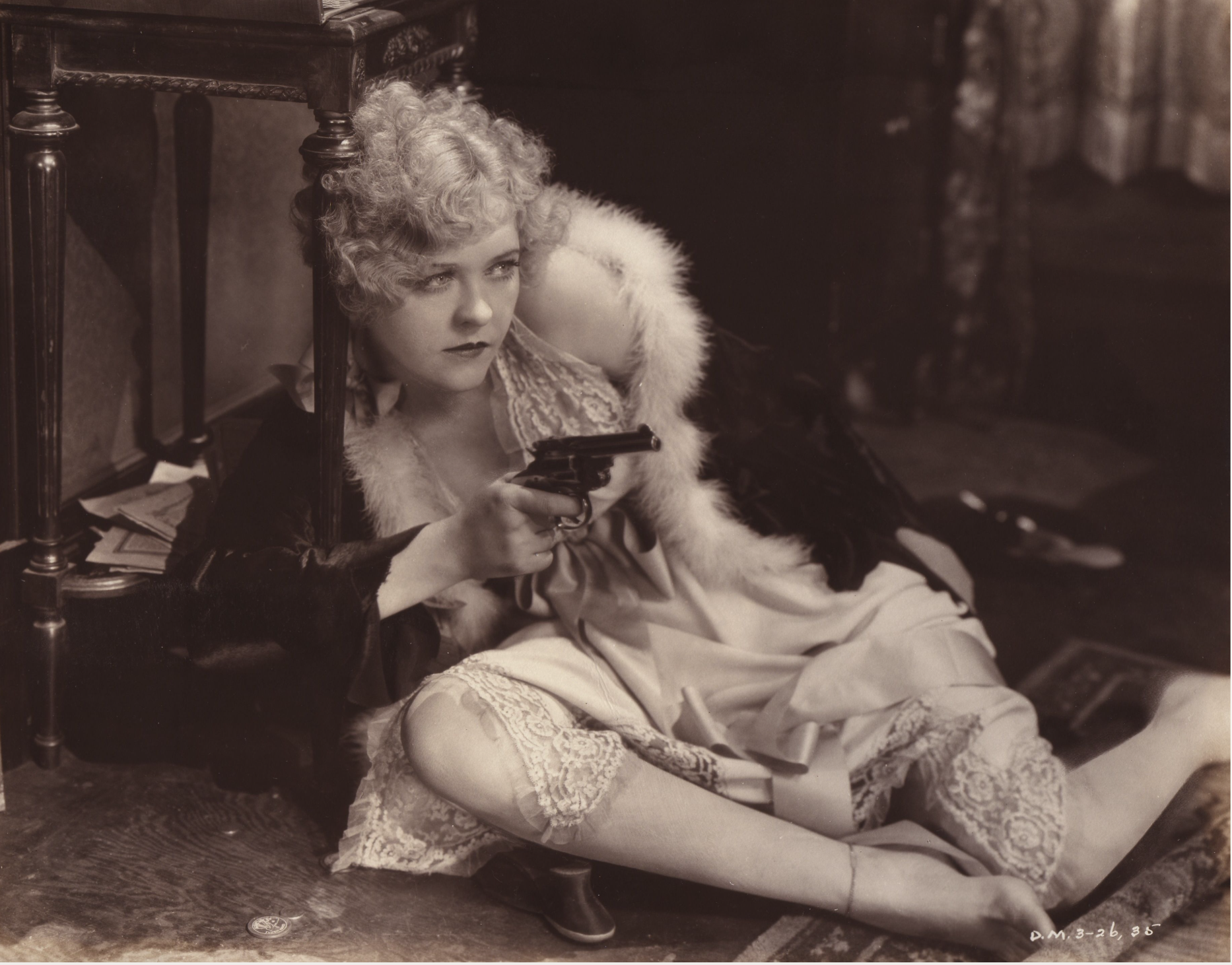
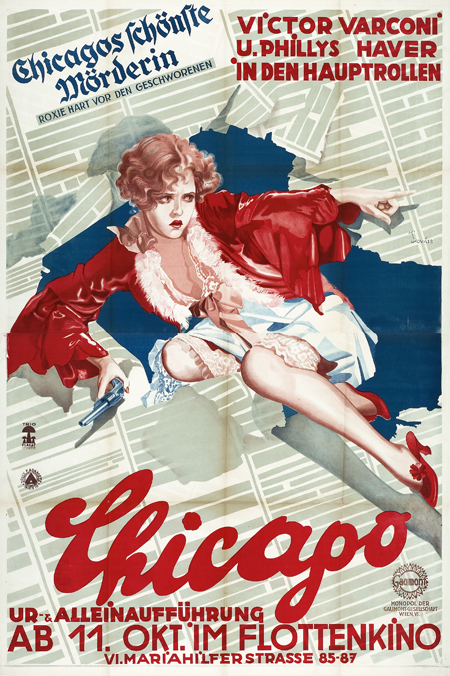
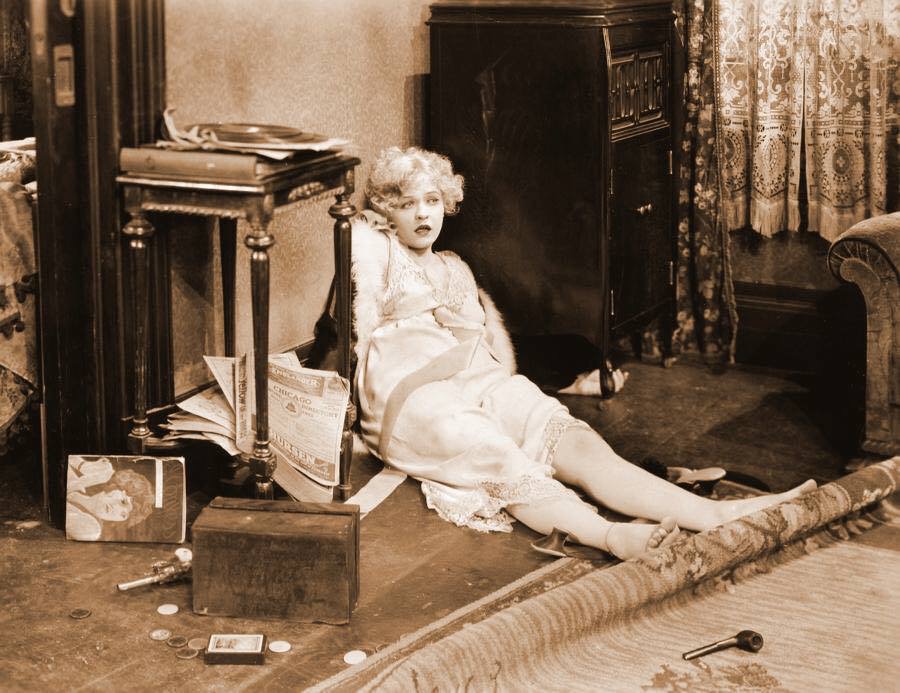
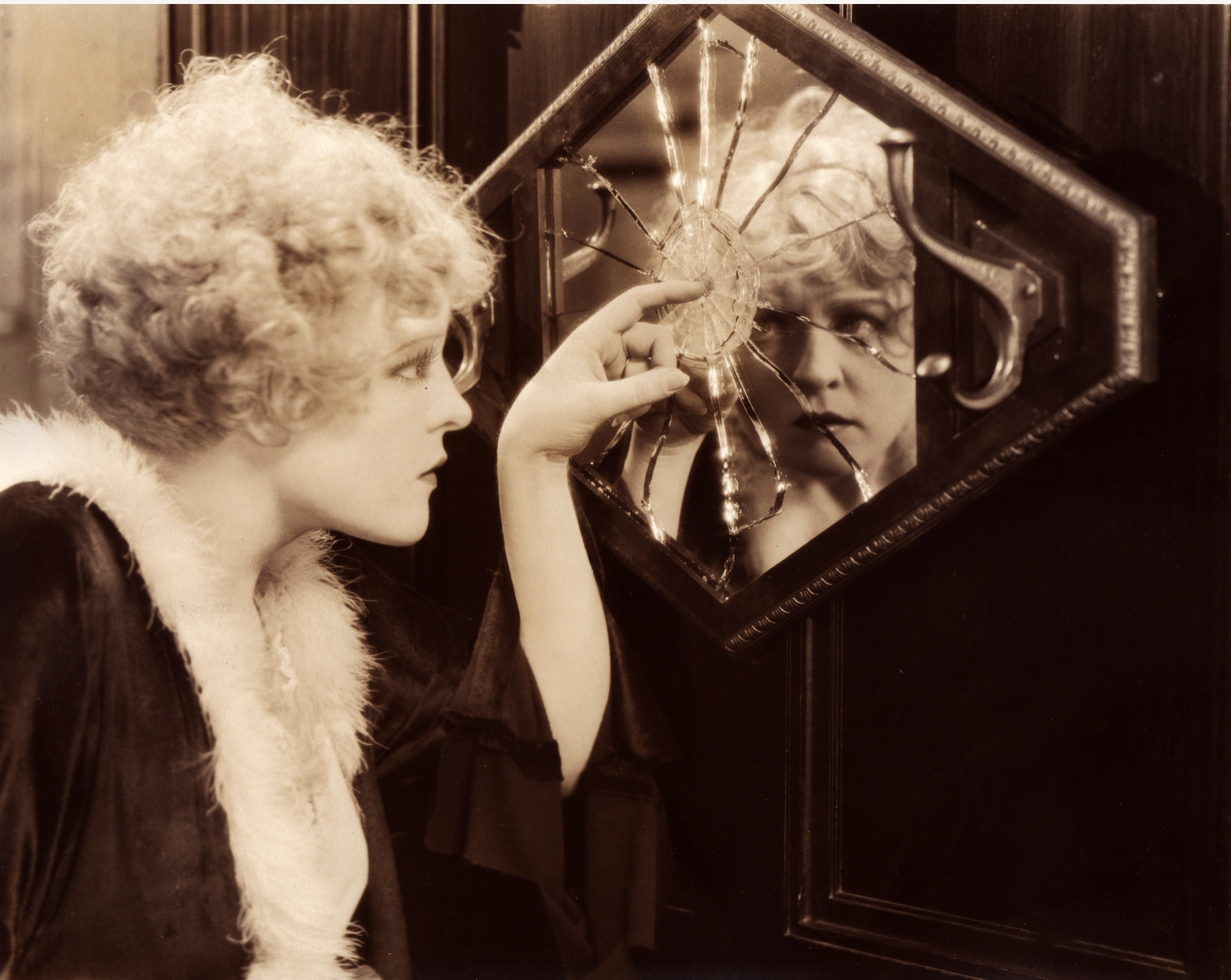
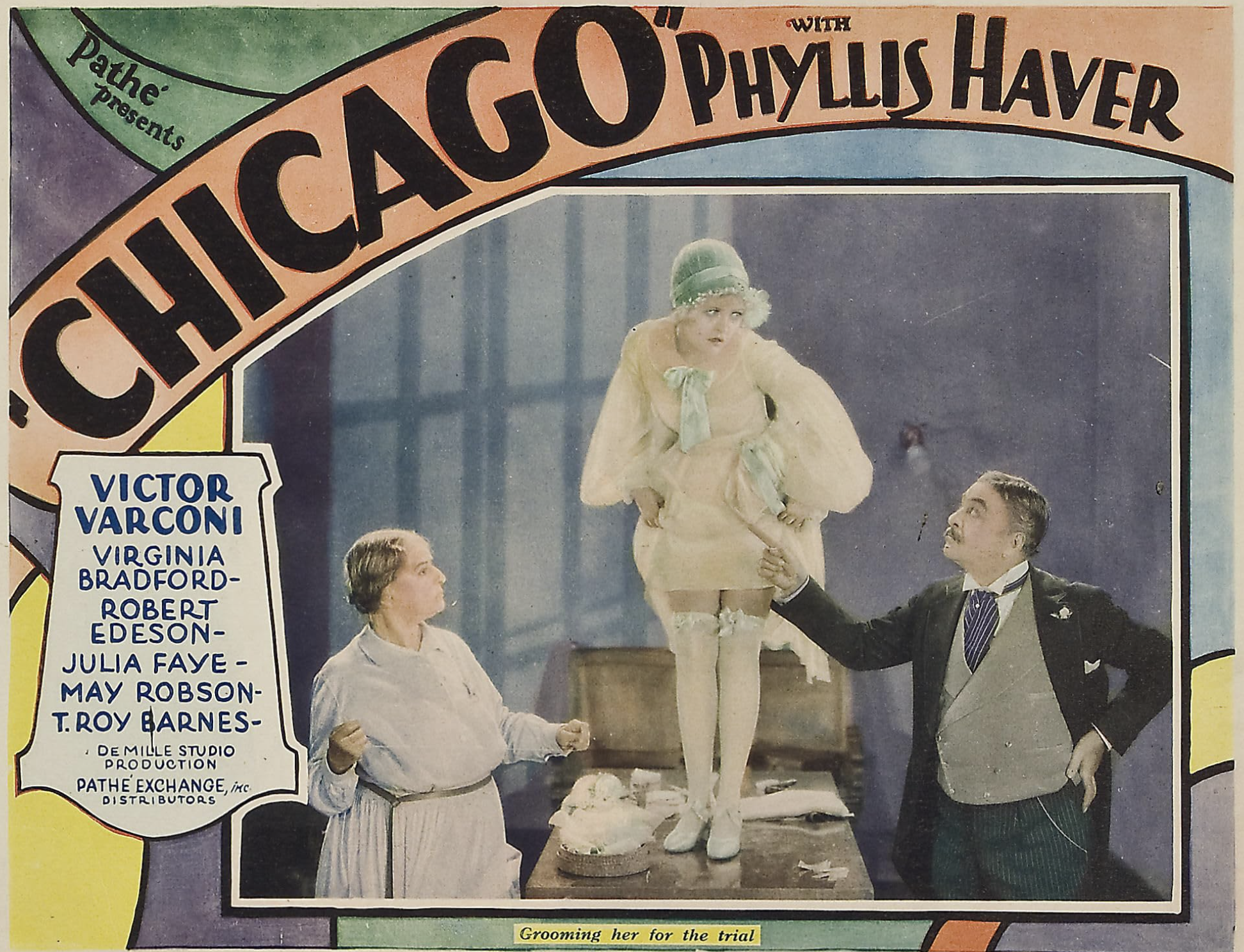
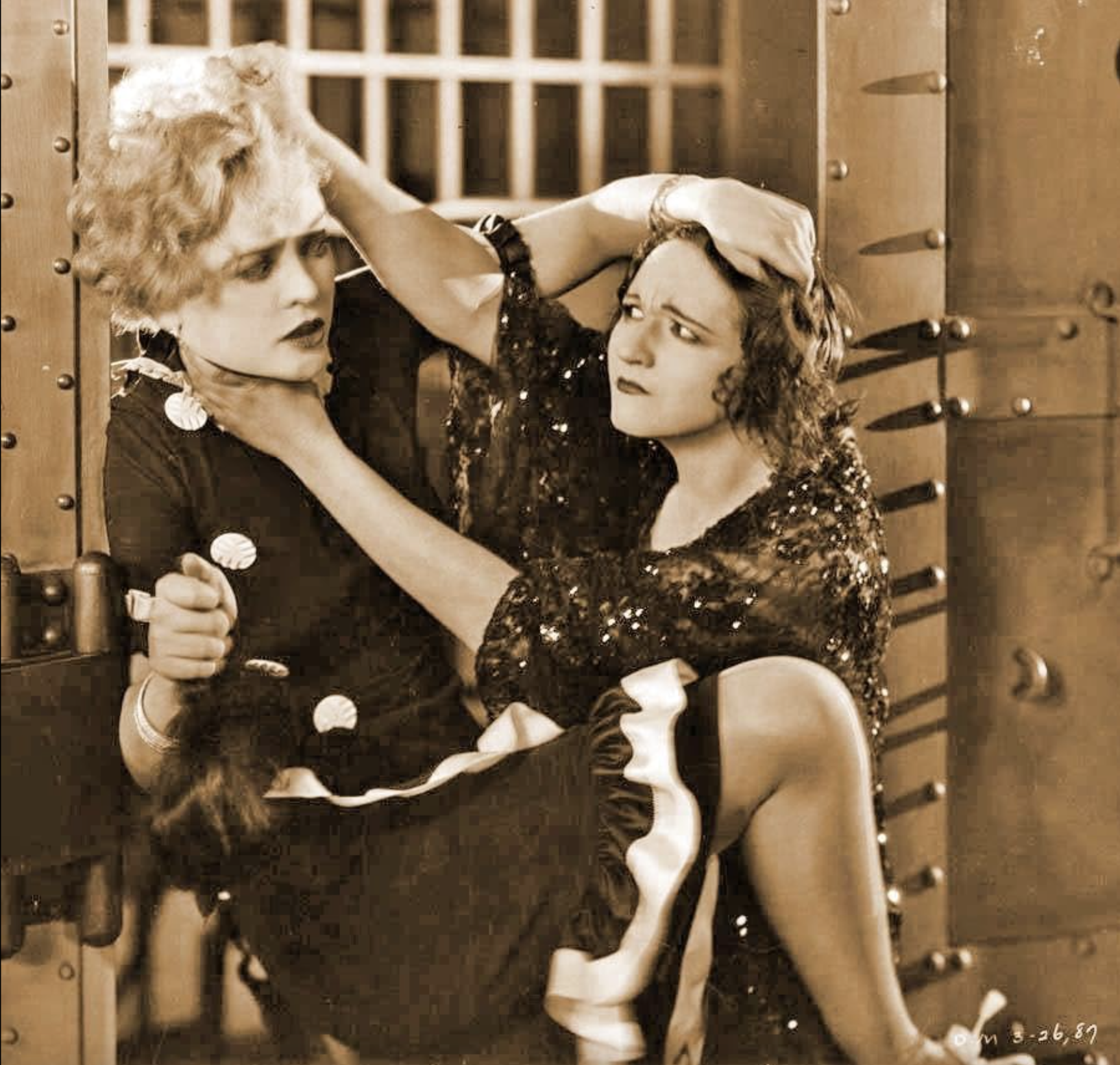
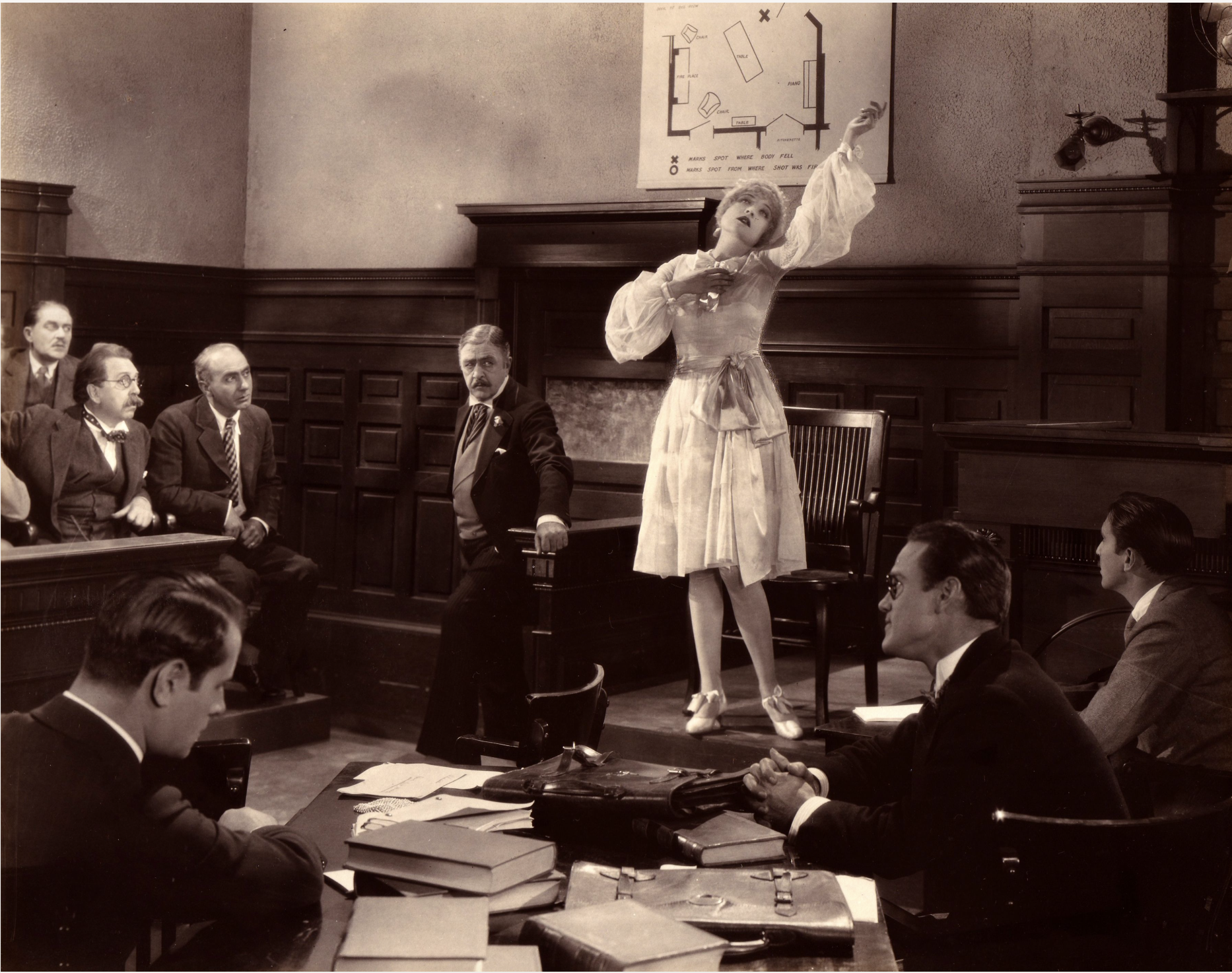
And the day will wind up at 7:00 PM with Chicago, the 1927 snappy comedy based on reporter Maurine Watkins’ play about a murderous doxie which later served as the basis for both the 1942 movie Roxie Hart, starring Ginger Rogers, and the stage musical and subsequent 2002 Oscar-winning film Chicago. It’ll be accompanied by Guenter Buchwald, with the SF Conservatory of Music Orchestra and Mas Koga.
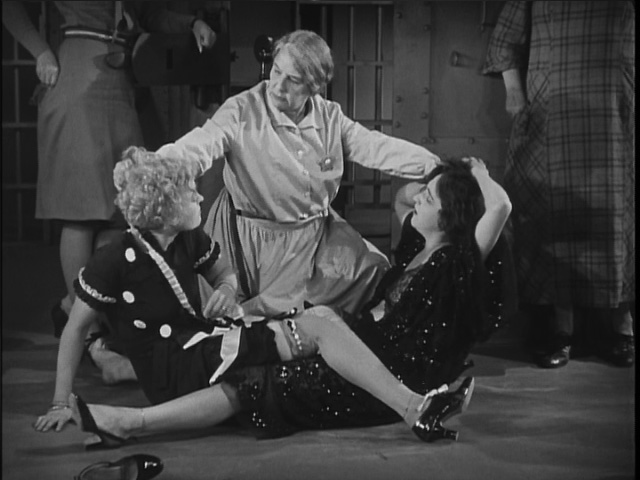
I asked Guenter about his score for this film. He responded “It was in Pordenone at the Giornate del Cinema Muto a decade ago when my friend and colleague Neil Brand and I had to score the music for Chicago . It was not that difficult as there is already a tune called “Chicago” which fits perfectly to the actions. But that was only the basis for a choice of others jazz standards, reflecting the period of the roaring twenties. Then we had to find the instruments for an orchestration which assures all that is needed for a musical accompaniment: musical skills for jazzy styles of the music itself and the ability to improvise beyond the known. That means: being able to adapt the chosen tune for the filmic action, changing the mood, changing the tempo, and changing the articulation—all musical parameters which allows the band to correspond to the visual.
In Pordenone it worked very well. And so I hope it’ll be well received at the SFSFF showing.
We will present the musical results of an intensive collaboration with students of the San Francisco University of Music, during a workshop the days before the concert.
There we will have learned to ‘see the film by eye AND ear,’ to get the feeling for how a silent film sounds, getting the feeling how music changes the interpretation, quite sure, always in the best way. When the music fits to the movie like a glove to the hand, like a friend to the images, walking together, talking like Aristotle with his friends in the academic garden of Athens, well then – maybe – you will have forgotten that there was a live band. Forgotten because the band pulled you into the movie.”
I can’t wait for this day of sounds and sights that are sure to delight the ever enthusiastic San Francisco audiences.

Meredith Brody, a graduate of both the Paris Cordon Bleu cooking school and USC film school, has been the restaurant critic for, among others, the Village Voice, LA Weekly, and SF Weekly, and has written for countless film magazines and websites including Cahiers du Cinema, Film Comment, and Indiewire. Her writings on books, theater, television, and travel have appeared in the New York Times, the Los Angeles Times, and Interview. She also contributes to EatDrinkFilms including her“Meals with Meredith,” where she talks about food and film with filmmakers at restaurants in northern California, writes about vintage cocktails and where she eats during film festivals at the Castro Theatre in San Francisco. A selection of her EDF pieces are found here.
One could describe Meredith as “hooked on cinema” as she attends four-five films a day at many bay area and international festivals each year. Somebody has to do it. Read about her journey back to festivals after two years in pandemic mode.
GALLERY OF PHOTOS, TRAILERS AND POSTERS.
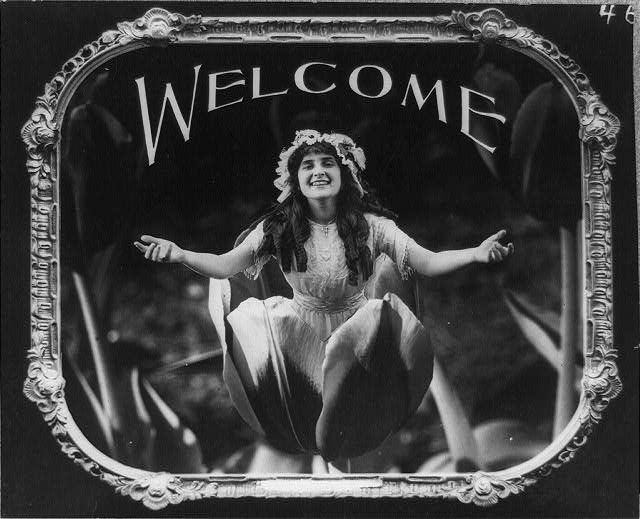
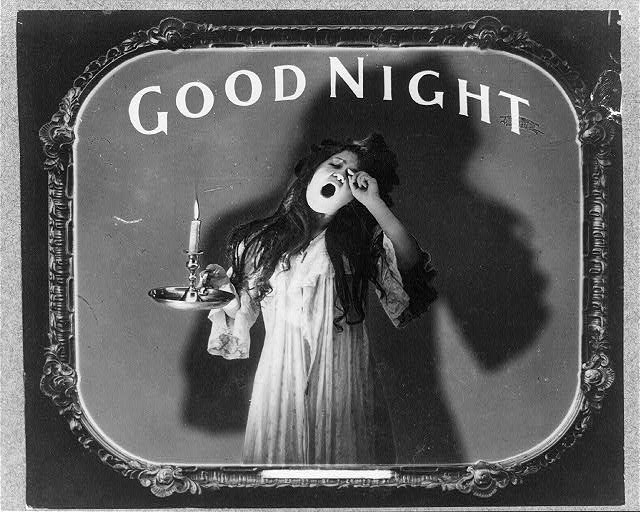
(Editor’s note: The music accompanying the clips in this article are not the scores to be played live on February 2 except Mont Alto’s Children of Divorce score. Lantern slides courtesy of Starts Thursday, Blackhawk Films, and the late David Shepard. Image selection curated by Gary Meyer.)
Websites for the musicians in “A Day of Silents” are Guenter Buchwald, The Mont Alto Motion Picture Orchestra, Mas Koga, and SF Conservatory of Music Orchestra.

Threats to live musical accompaniment are discussed in the fascinating article by Peter Pappas. 95 years later we are facing similar challenges.







Guenter Buchwald. Photo by Pamela Gentile




Mont Alto Motion Picture Orchestra. Photo by Pamela Gentile.














 eatdrinkfilms.com
As originally said by Buddy DeSylva and Buddy Brown, “The Best Things in Life Are Free”, and it is a most fitting aphorism for EatDrinkFilms, with such consistently well written articles, not to mention extras like all the priceless images often included.
Thank you for the wonderful piece on the upcoming San Fransico Silent Film Festival and the information about Guenter Buchwald. I met and performed with Guenter, such a delightful and dedicated musician, in 2003 in Pordenone at the Giornate del Cinema Muto when I was there to perform a program put together by the late Russell Merritt and have enjoyed following his musical progress through the years.
It looks to be quite a good selection of films, and I think the Bay Area film audience is lucky to have the festival, which is so well put together by Stacy and Anita.
Eat, drink, and…. enjoy!