
By Noma Faingold (Updated October 2, 2025)
Chef Melissa King was not like the other kids growing up in Whittier, a small city in Los Angeles County. While her peers watched Saturday morning cartoons, she was glued to Julie Child shows, Martin Yan’s “Yan Can Cook” and other television cooking programs.
“I was always very interested in food and I liked to eat,” King said.

Photo: © Ashley Batz, copyright © 2025. Published by Ten Speed Press, an imprint of the Crown Publishing Group A division of Penguin Random House LLC.
The shy girl was one of two Asian students at a Christian elementary school. She got teased when she opened her lunchbox, which usually contained pungent Chinese food, leftover from the previous night’s family dinner, which King helped prepare. “Part of me felt a little embarrassed,” she said.
King, 41, who won “Top Chef All-Stars” in 2020 (Season 17) and placed fourth in Season 12, knew she wanted to be a chef at age four. She stood on a stool, stir frying vegetables under her working mother’s supervision. She describes herself as her mother’s sous chef in those formative years. “Honestly, my mother was not a great cook, but that was my time with her,” she said.
Both parents, first-gen immigrants from Hong Kong, were engineers and didn’t come home until 6 p.m. By age 12, “I had surpassed my mom in the kitchen. I was the one who was cooking dinner for our family,” King said.
In high school, King poured over cookbooks. She experimented with Italian and French cuisine. “I was always tweaking and adjusting,” she said. “My brain was sort of viewing food through that lens.”
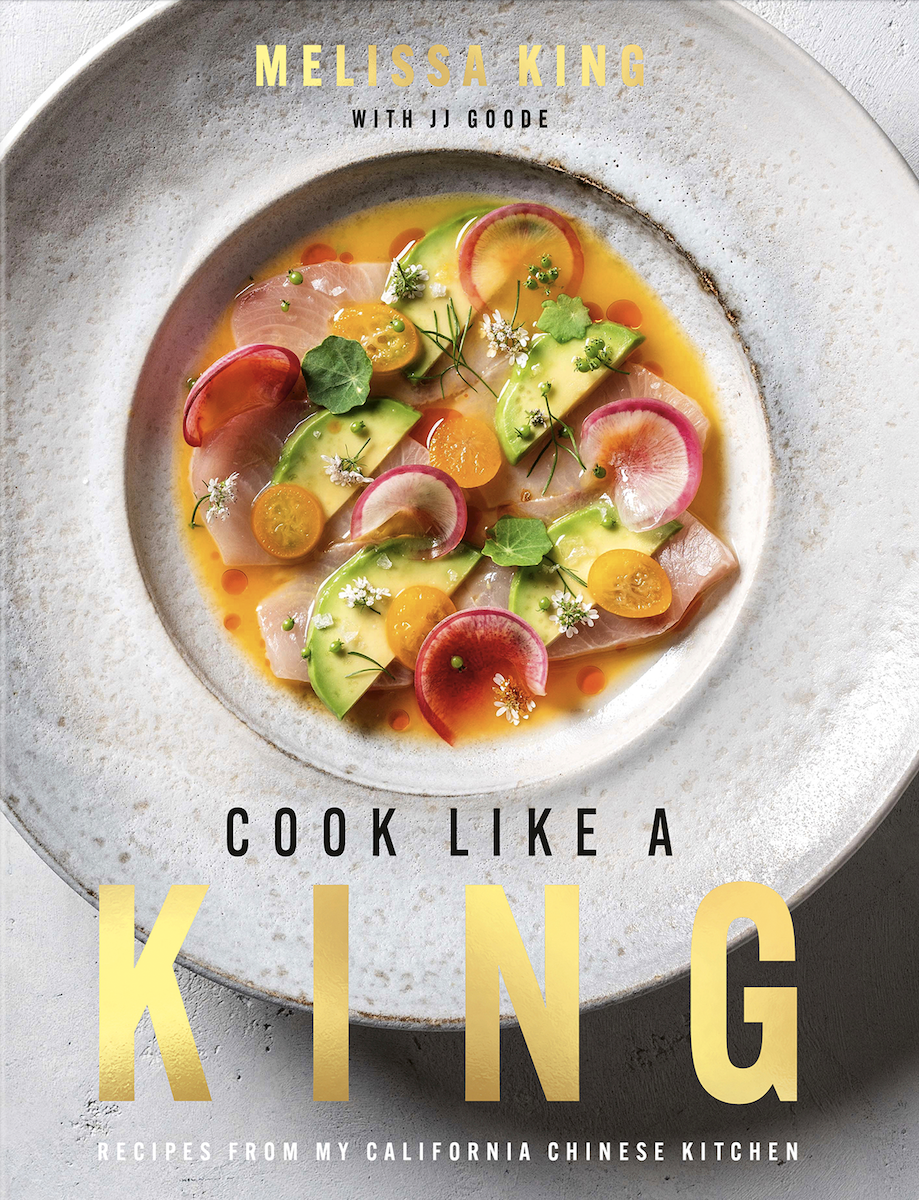
On September 23, her debut cookbook, “Cook Like a King: Recipes from My California Chinese Kitchen,” was released. The luscious-looking, coffee-table style book contains 120 recipes that cover refined versions of heritage dishes she learned growing up, her Culinary Institute of America training in New York, 12 years of working in mostly Michelin-star restaurants in San Francisco (including Campton Place and the Ritz Carlton Dining Room) and her growth during the rigorous Top Chef competition, which has led to a multi-faceted, flourishing career, that’s taken her around the world to create, collaborate and tackle adventures involving food.
It took more than four years for the Inner Sunset resident to complete the book (written with JJ Goode). She has been simultaneously writing a memoir for the same publisher (Ten Speed Press/Penguin Random House) to come out next year. “I like to say this took me my whole life to write because it’s really dishes that go way back, like Lemongrass Cioppino, which I made for staff meals at restaurants,” King said. “There’s so much story and details that I put into it.”
Lemongrass Cioppino pays homage to San Francisco history. Fishermen concocted the rustic, tomato-based, one-pot dish from the day’s catch. King’s interpretation adds some complexity by bringing Asian aromatics into the mix. Melissa is sharing that recipe with EatDrinkFilms readers.
King wanted to enroll in culinary school right after she finished high school. Her parents strongly disagreed. She complied, earning a degree in cognitive science from UC Irvine. “Looking back, the best decision I ever made was to go to college. But, at the time, I was quite resentful,” she said. “I felt like they didn’t understand me. There was a lot of that teen angst and rebellion. I’ve always been a person who never liked being told what to do. I’ve always enjoyed having the freedom to create as an artist.”
By 2015, she was ready for something other than the grind of working in restaurant kitchens. She had mentors she respected, like Ron Siegel at the Ritz Carlton. But some kitchens were toxic. “It was a different landscape at the time. There was a lot of misogyny and abuse,” King said. “I’ve even had pans thrown at me.”
The “Top Chef,” journey changed the then-introverted King in every way. She found her voice as a chef and in the world.
She had been out as queer only to her immediate family and friends. Suddenly, she was out to a national audience. “It also opened me up to a career beyond restaurants,” she said. “I realized the industry is so fragile. There are alternative ways to succeed, where you can still touch people’s lives through food, whether it’s with a book, TV shows or on social media platforms.”
Today, King seems like a complete natural in front of the camera. Her manner is inviting and full of wonder as the host of food foraging show for National Geographic called, “Tasting Wild” (2022).
In one episode taking place on Hawai’I (known as the Big Island), she visits active volcano Mauna Loa with NG explorer Andrés Ruzo. While gathering ginger root, passion fruit, limes, and kombu seaweed, which she will use in a crudo dish she prepares at the beach, she tells Ruzo, “I feel like a kid in a candy store.”
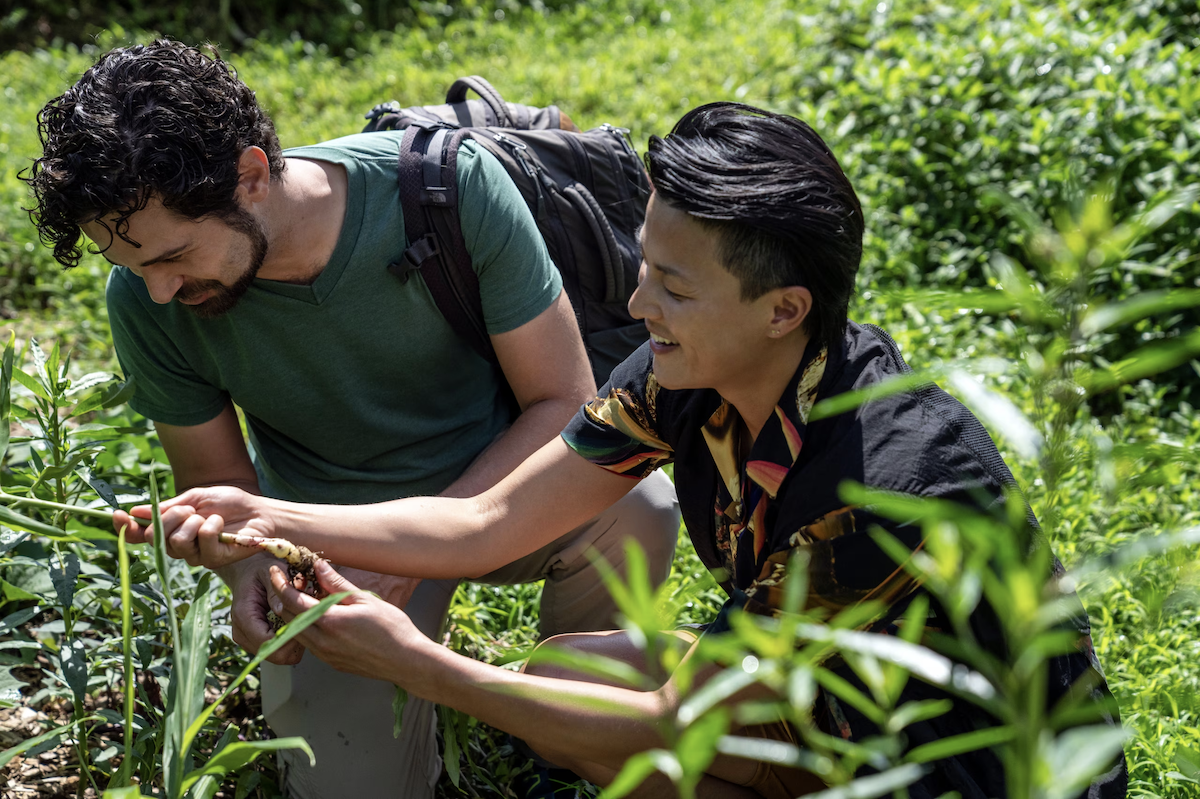
Melissa King and Andrés Ruzo forage at Huehue Ranch and connect deeper with the land. Photo by Ben Lowy © 2022
King embraced the adventures and the unknown the series presented. “It’s a really incredible experience to be able to travel to these beautiful, isolated places and push myself in a way that nature pushes you. I’d never rock climbed before. Never kayaked. Those things that kind of scared me,” she said. “But it sparked a lot of beauty in the things I ended up creating.”
Her social media posts are engaging and carefree, such as one-minute cooking segments from her kitchen or visiting her favorite food haunts in her neighborhood, like DamnFine Pizza, Andytown Coffee, Outerlands restaurant, Chinese barbeque spot Lam Hoa Thuan and the no-frills San Tung. “I never get sick of them,” she said. “These are my comfort foods whenever I come back home from traveling.”
King joyfully teaches and shares insider recommendations. It’s easy to trust her because when she eats a grilled breakfast sandwich and sips a custom iced coffee drink, she grooves in her seat as if music is playing. At the end of her roaming “my ’hood” video, King starts walking to the adjacent beach with the spring in her step. She waves to viewers, signaling for them join her.
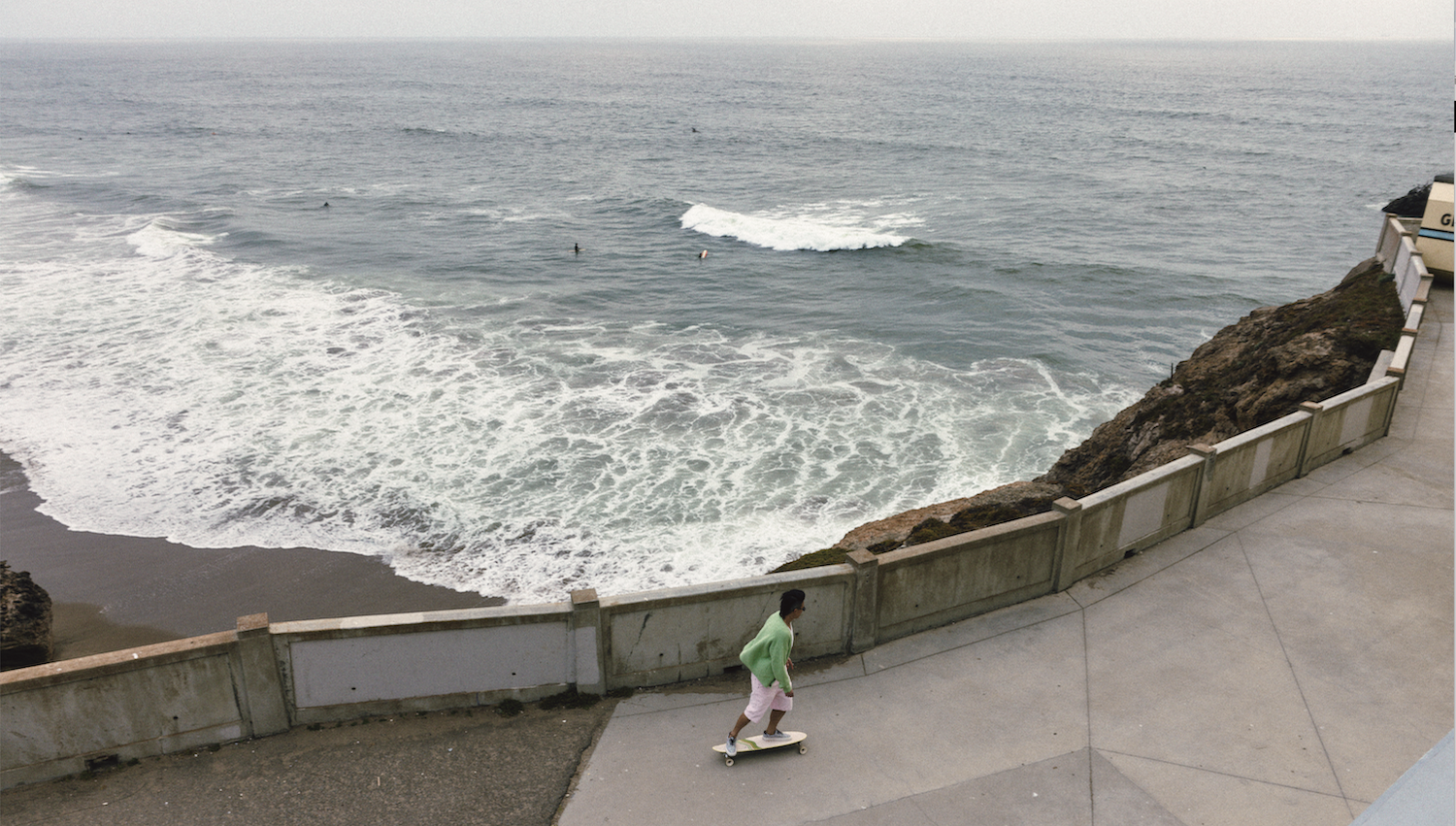
Melissa skateboarding at San Francisco’s Ocean Beach. Photo by Ashley Batz © 2025
This is a woman who used to hate public speaking so much, that she was terrified to deliver a congratulatory speech during her older sister’s wedding reception. “When I’m talking about something I’m confident in, it’s easy,” King said. “I’m just cooking. I’m doing what I know.”
She often produces her social media videos solo, which she embraces. She’s used to it. For example, on her 34th birthday, King drove from Milan to Bologna, drawn to the rich culinary traditions of the region. “I just wanted to eat charcuterie,” she said.
“I’ve spent a lot of birthdays in other countries by myself – eating,” King said. “I love dining by myself. I find it to be quite liberating. As a chef, I can hone in more on the food and be present with the experience.”
King was involved in every aspect of “Cook Like a King,” from what recipes to include, the food styling and its look. She selected who was on the creative team, including representation from LGBTQ and Asian communities.
She insisted that all recipes had to have full-bleed photos. “I obsessed over this book. I’m a perfectionist. From the drips of oil to that little chive that needs to be moved over, I had my hands in every detail,” she said. “I’m such a visual person. I kept telling my publishers that this book needs to have a lot of pictures because I want to convey what’s in my head. I want people to be able to taste it when they look at it. I want the food in the photos to glisten.”
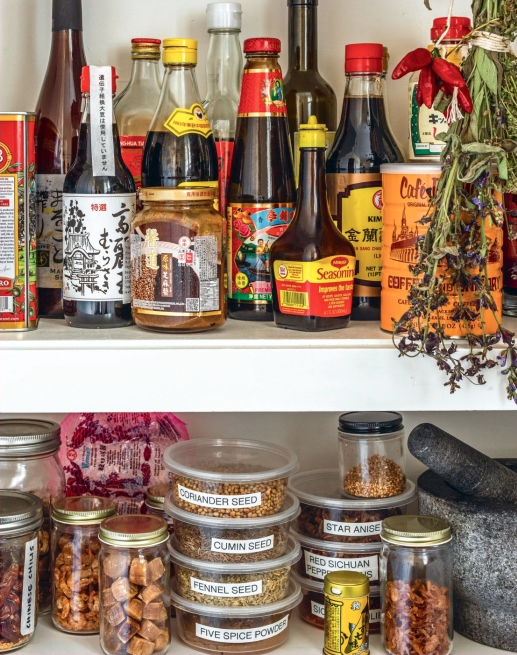
Other goals King had with the book is in taking the mystery out of advanced cooking techniques, as well as teaching readers how upgrading pantry ingredients, like oils, vinegars and salt, can elevate a dish. “I want them to explore the Asian pantry flavors like black vinegar and miso because I want that to become people’s everyday pantry, because it’s my everyday pantry.” she said. (Read Melissa’s description of pantry flavors here.)
She devotes a significant portion of the book to her culinary origins by including home-style recipes, such as Shanghainese “Lion’s Head” Meatballs, made with pork and simmered in a ginger chicken broth. It’s the only dish her father would make because it reminded him of Shanghai and his mother’s cooking. Here is the recipe.
King does remember that the smell of Shanghainese “Lion’s Head” Meatballs alienated her from her young classmates at lunchtime. “That’s why I had to put the recipe in the book,” she said. “I’m proud of who I am. I am Asian American. I am queer. I wouldn’t change any part of me.”
Melissa King just completed a book tour for “Cook Like a King: Recipes from My California Chinese Kitchen,” released on September 23, 2025 (Text copyright © 2025 by Melissa King. Food photographs copyright © 2025 by Ed Anderson. Lifestyle photographs copyright © 2025 by Ashley Batz. Published by Ten Speed Press, an imprint of the Crown Publishing Group A division of Penguin Random House LLC. (272 pages, $40)
“Cook Like a King: Recipes from My California Chinese Kitchen” can be purchased at your favorite independent bookstore. Autographed copies available from our favorite place for food writing, Omnivore Books. Or order via Indiebound.
Her recipe for Lemongrass Cioppini can be found here on EatDrinkFilms.
Follow Melissa on Facebook and Instagram.
Watch Melissa King’s series “Tasting Wild” on National Geographic, Hulu or here.
She talks about making the series here.
Which episode scared her the most? Read about it on Tasting Table.
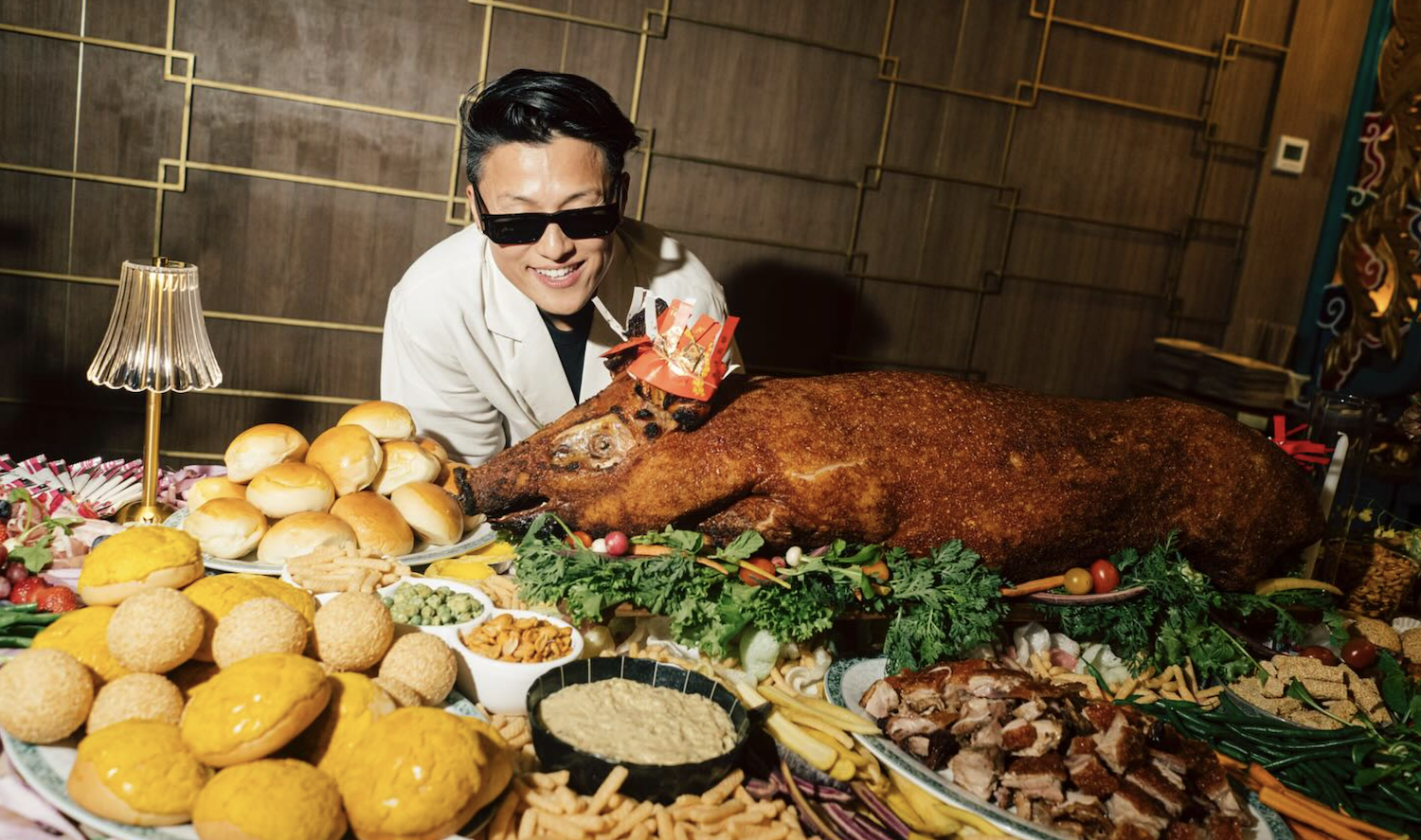
“COOK LIKE A KING” cookbook party • New York Chinatown @phoenixpalaceny

Noma Faingold is a writer and photographer who lives in Noe Valley. A native San Franciscan who grew up in the Sunset District, Faingold is a frequent contributor to the Richmond Review and Sunset Beacon newspapers, among others. She is obsessed with pop culture and the arts, especially film, theater and fashion. Noma has written about poet Lawrence Ferlinghetti, artists Tamara de Łempicka, Isaac Julien, and Wayne Thiebaud, numerous independent filmmakers, and singer/songwriters Janis Joplin, Diane Warren, and Linda Smith for EatDrinkFilms.
 eatdrinkfilms.com