
Part Two of a look at the San Francisco Silent Film Festival
By Meredith Brody
(July 12, 2023)
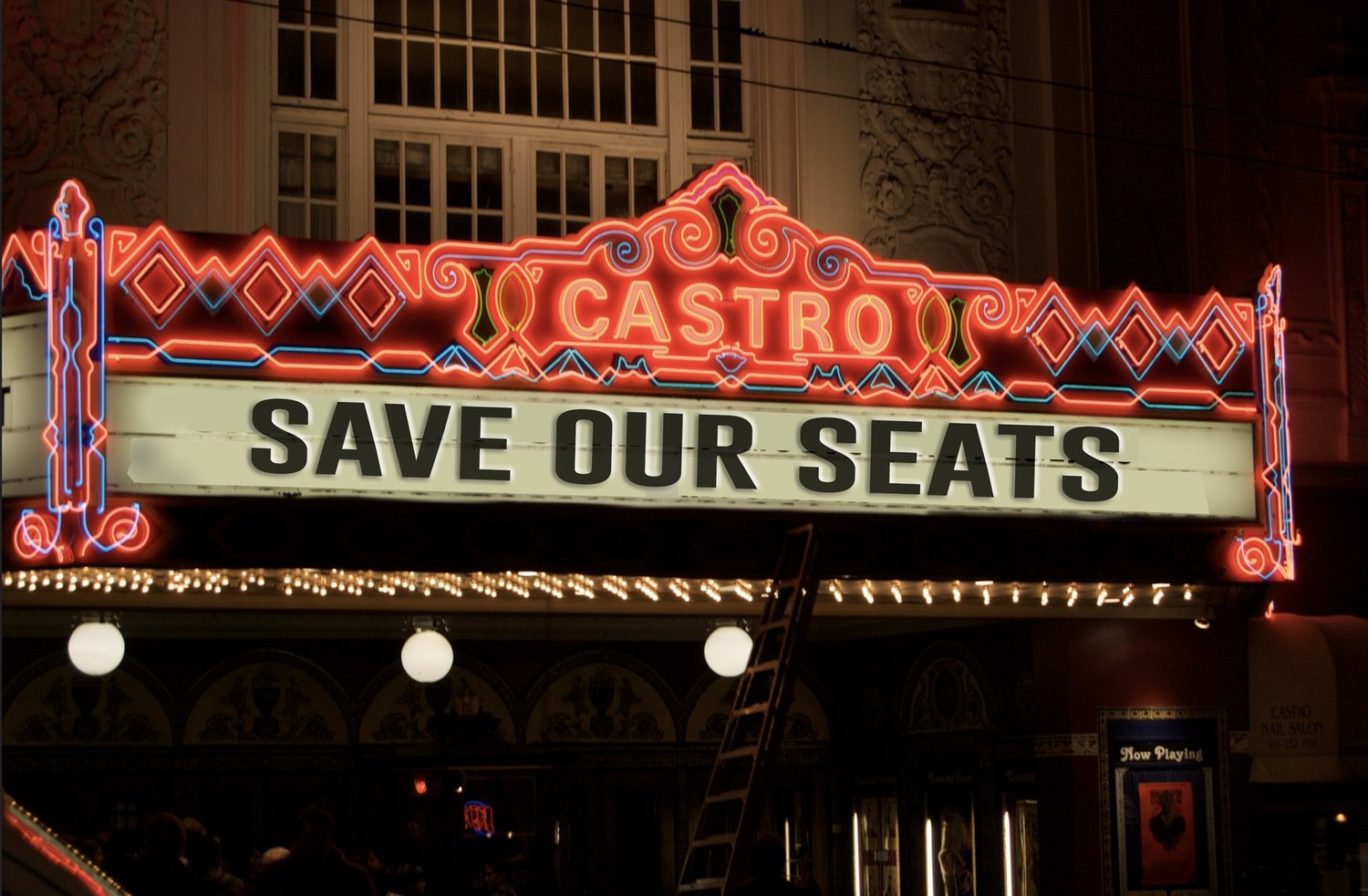
We are back at the Castro Theatre which still has its 1407 traditonal theater seats. They may be gone by next year’s festival. What a great way to celebrate the San Francisco Silent Film Festival and understand the meaning of the Festival motto: “True art transcends time.”
Saturday, July 15th, appears to be another wittily balanced day, and most of it components are new to me or are movies I have wanted to see again since first enjoying them.
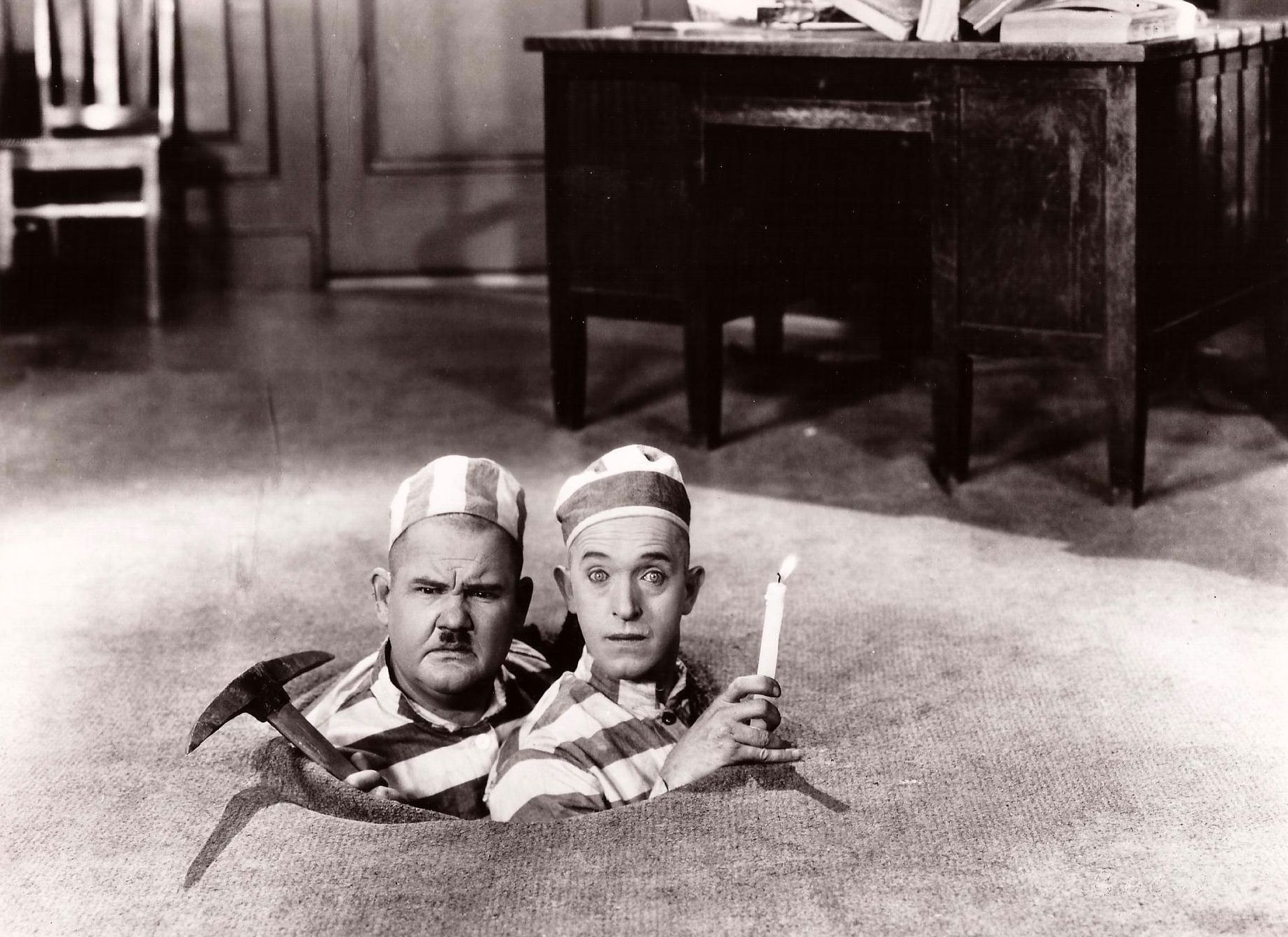
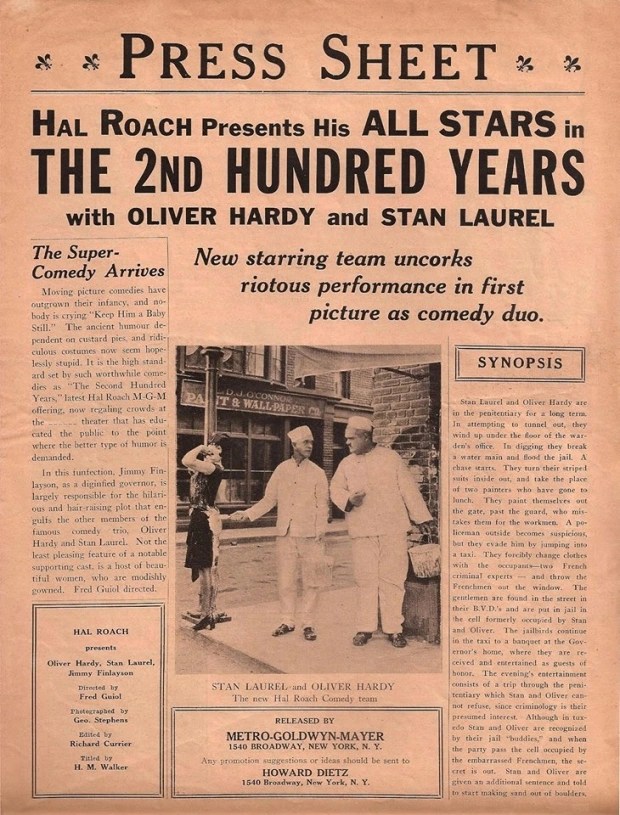
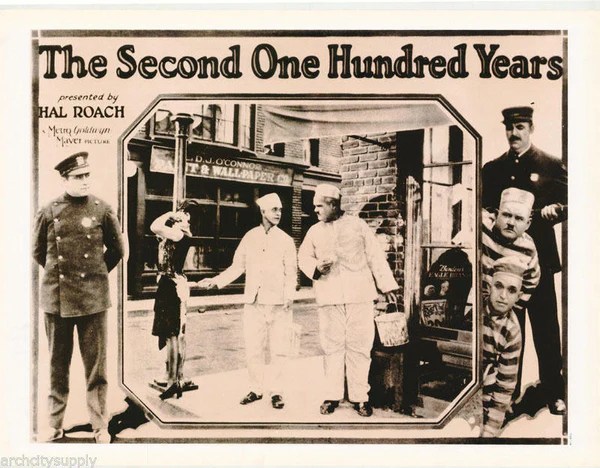
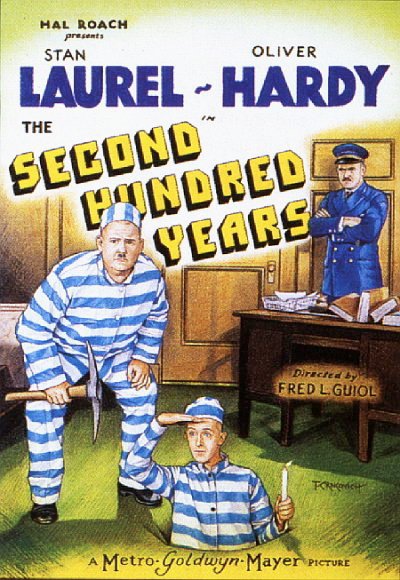
The Second Hundred Years
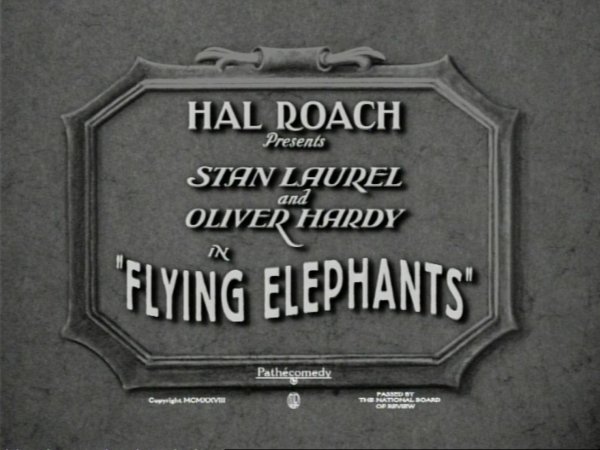
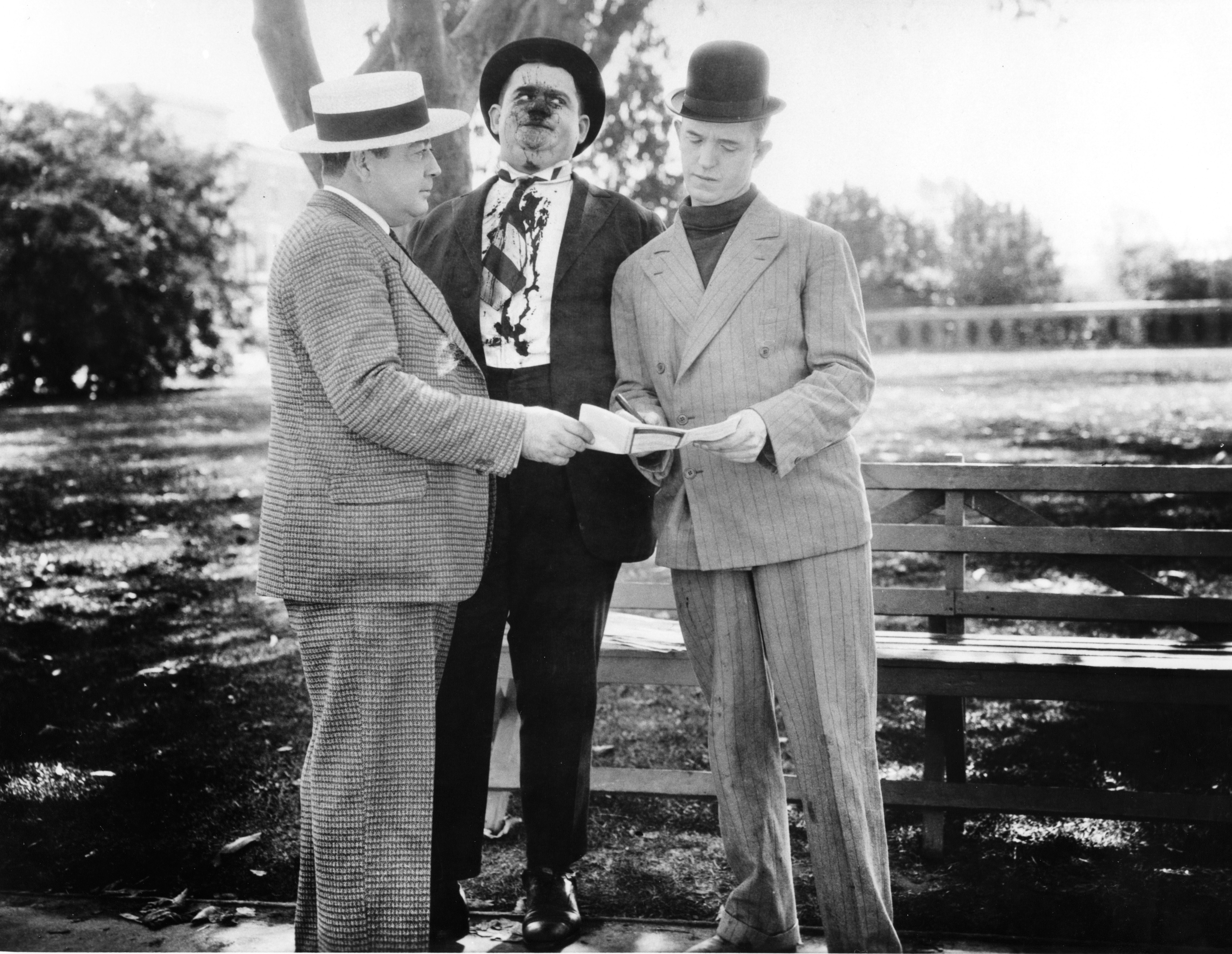
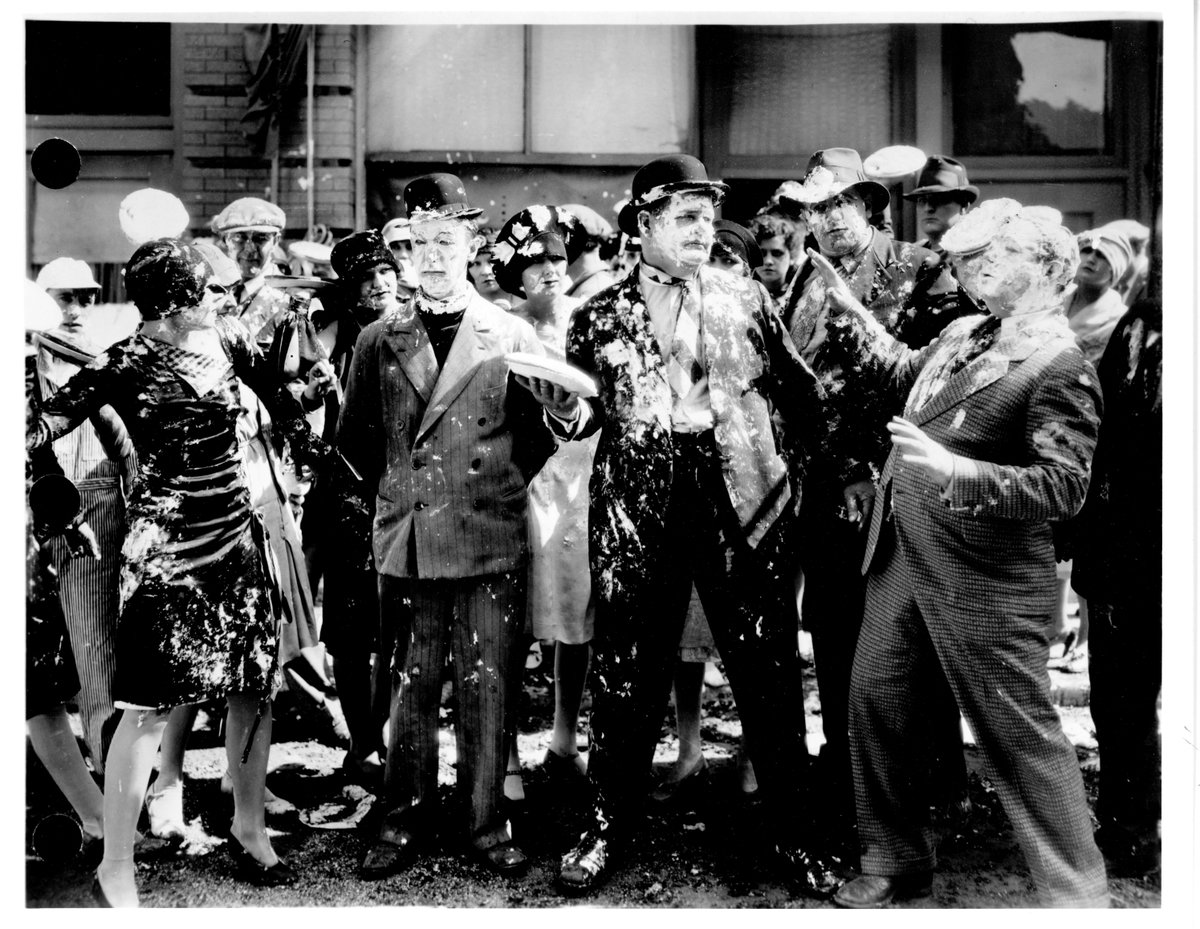
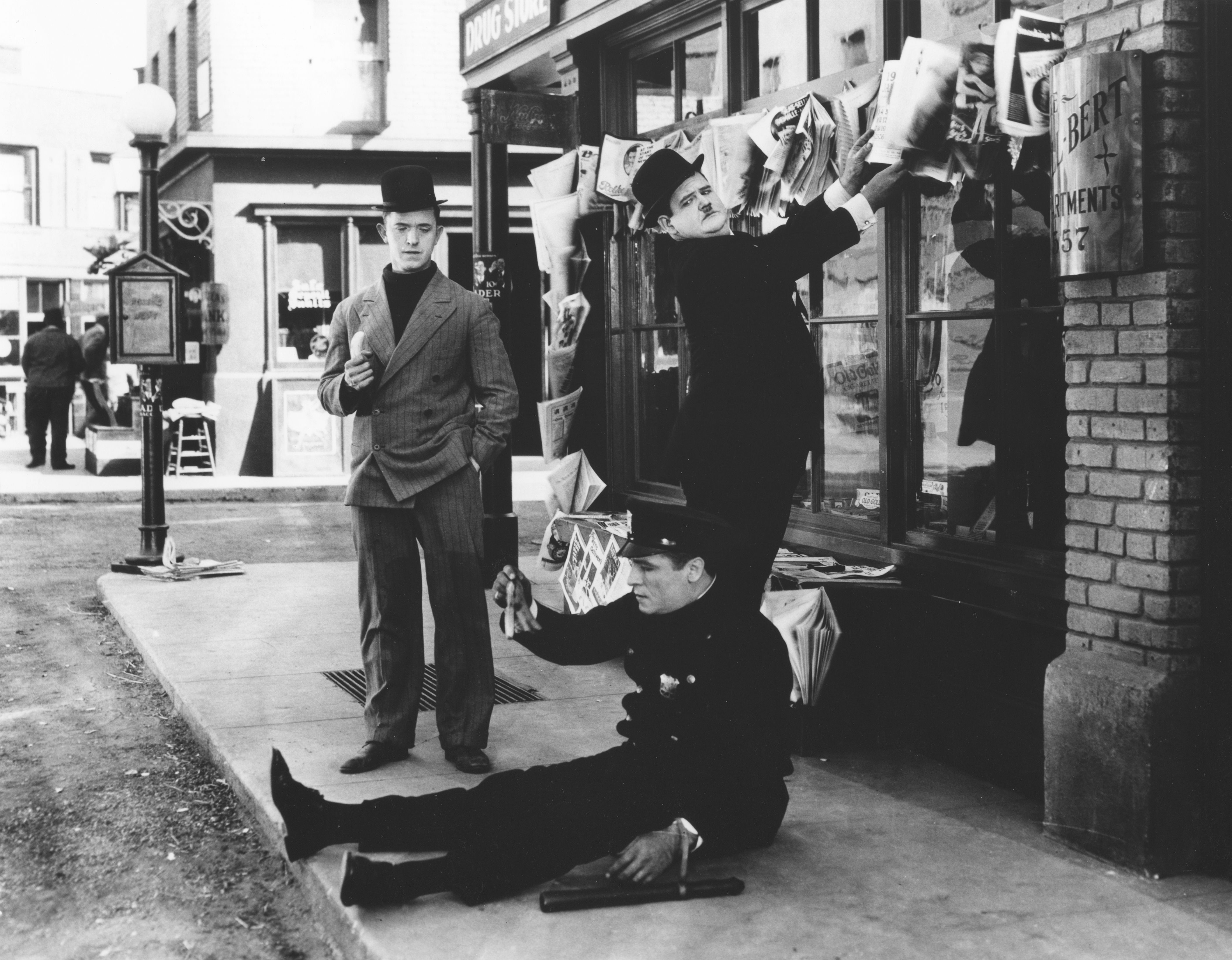
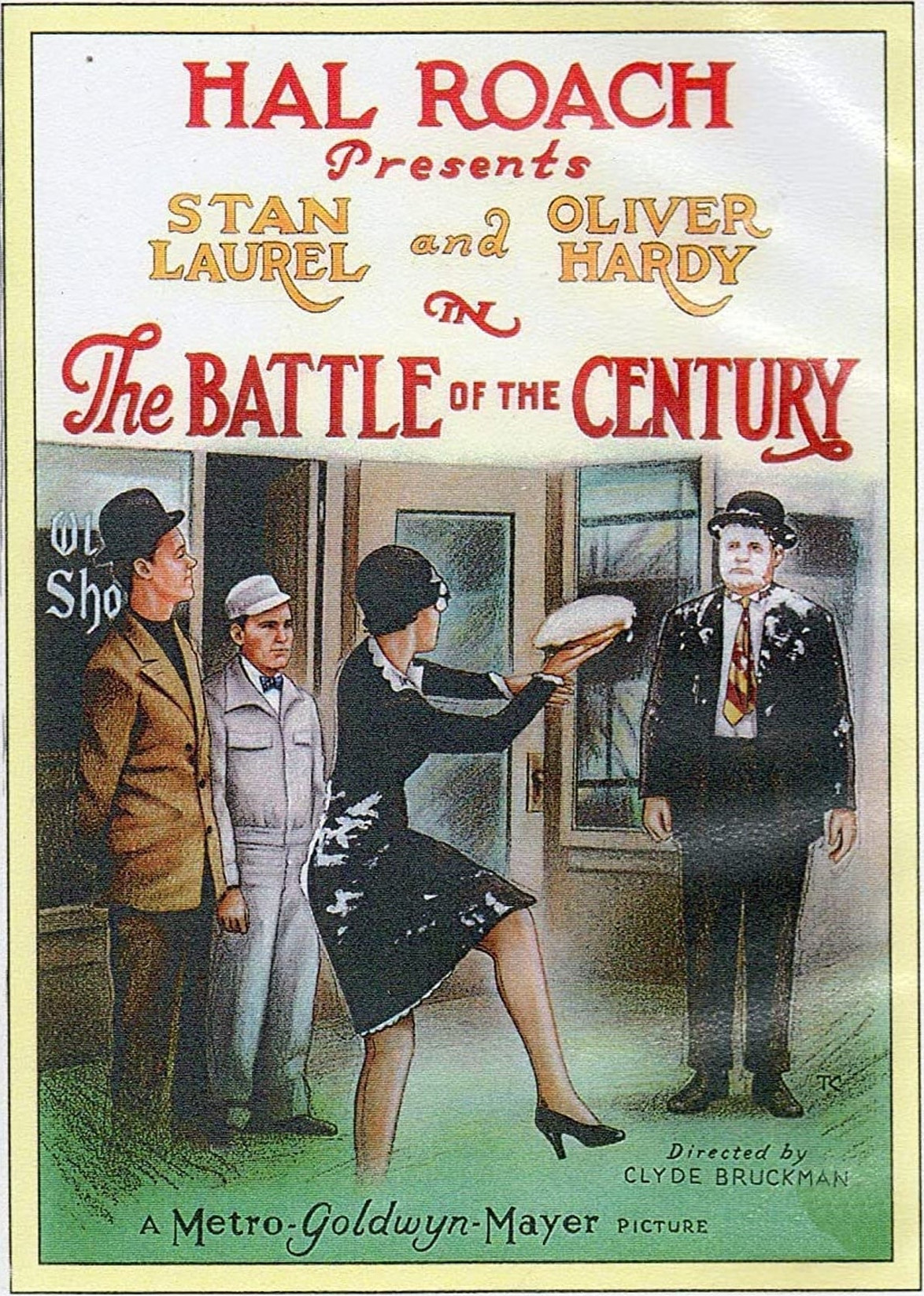
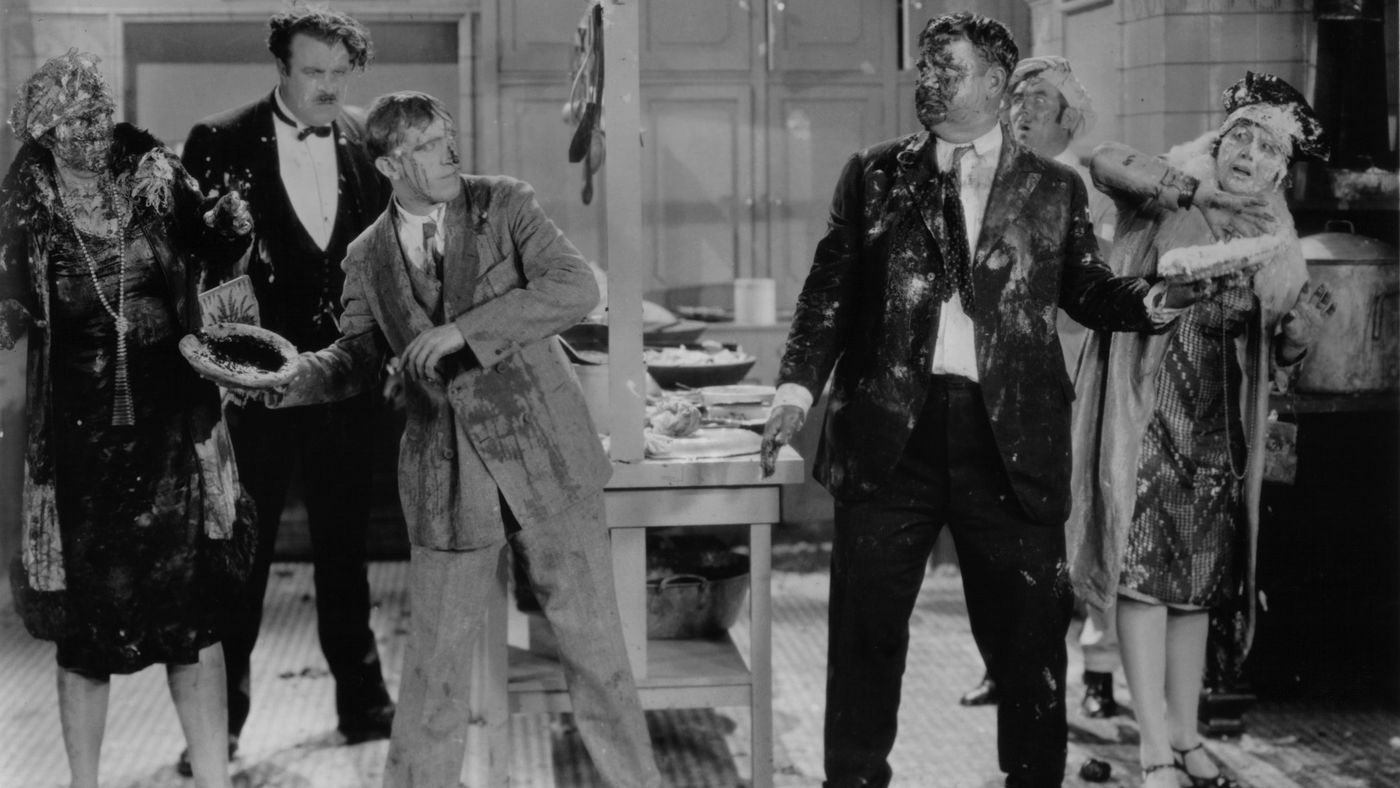
Each of the three restored 1927 Laurel and Hardy shorts comprising the Stan and Ollie show at 11 a.m. has something different to recommend it: The Second Hundred Years, although their tenth film together, is the first in which Laurel and Hardy are billed as a team. Flying Elephants was the last movie filmed with Hal Roach under his Pathe deal, but wasn’t released until they’d all moved to MGM. And The Battle of the Century wasn’t viewable (except for a scrap of a pie fight in Robert Youngson’s clip film The Golden Age of Comedy) until the first reel turned up in the early 1990s at MoMA, and the second reel was found decades later by the Bay Area’s Jon Mirsalis when he was going through the 2300 titles of the Robert Youngson collection in 2014. Whew. Restored by Lobster Films in Paris. Wayne Barker will play, while Nicholas White will perform sound effects, using the antique implements he demonstrated on Thursday morning in “Amazing Tales from the Archive.”
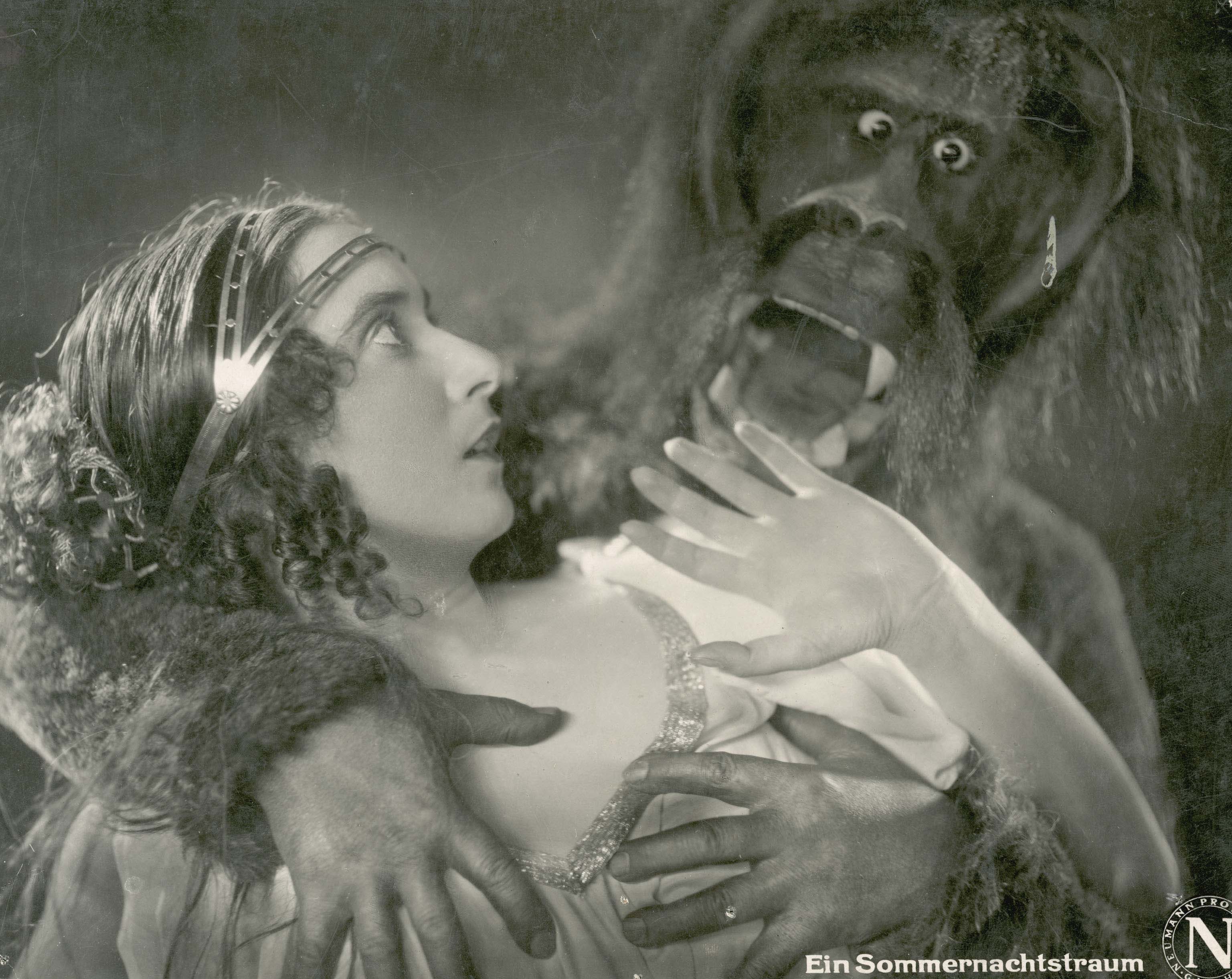
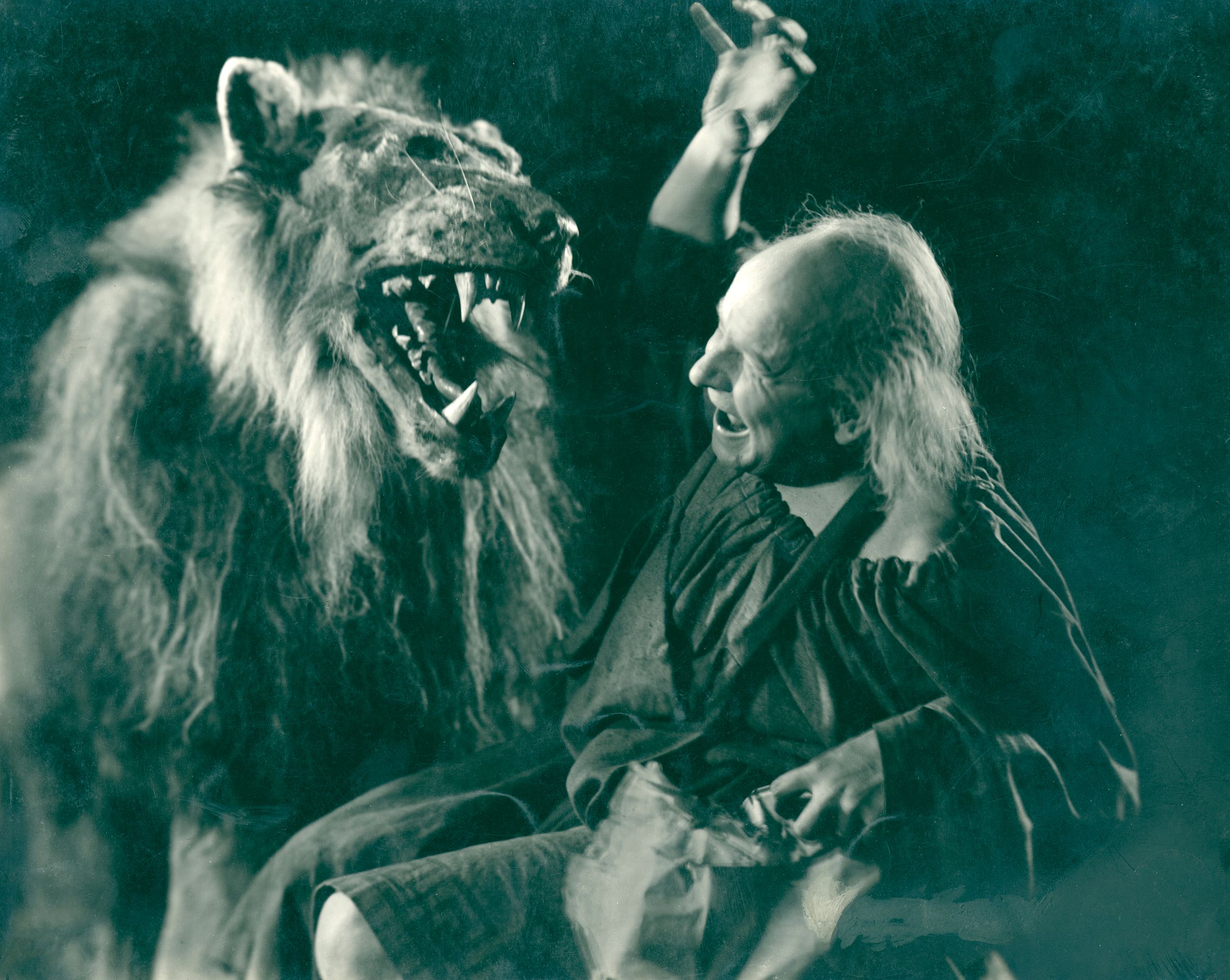
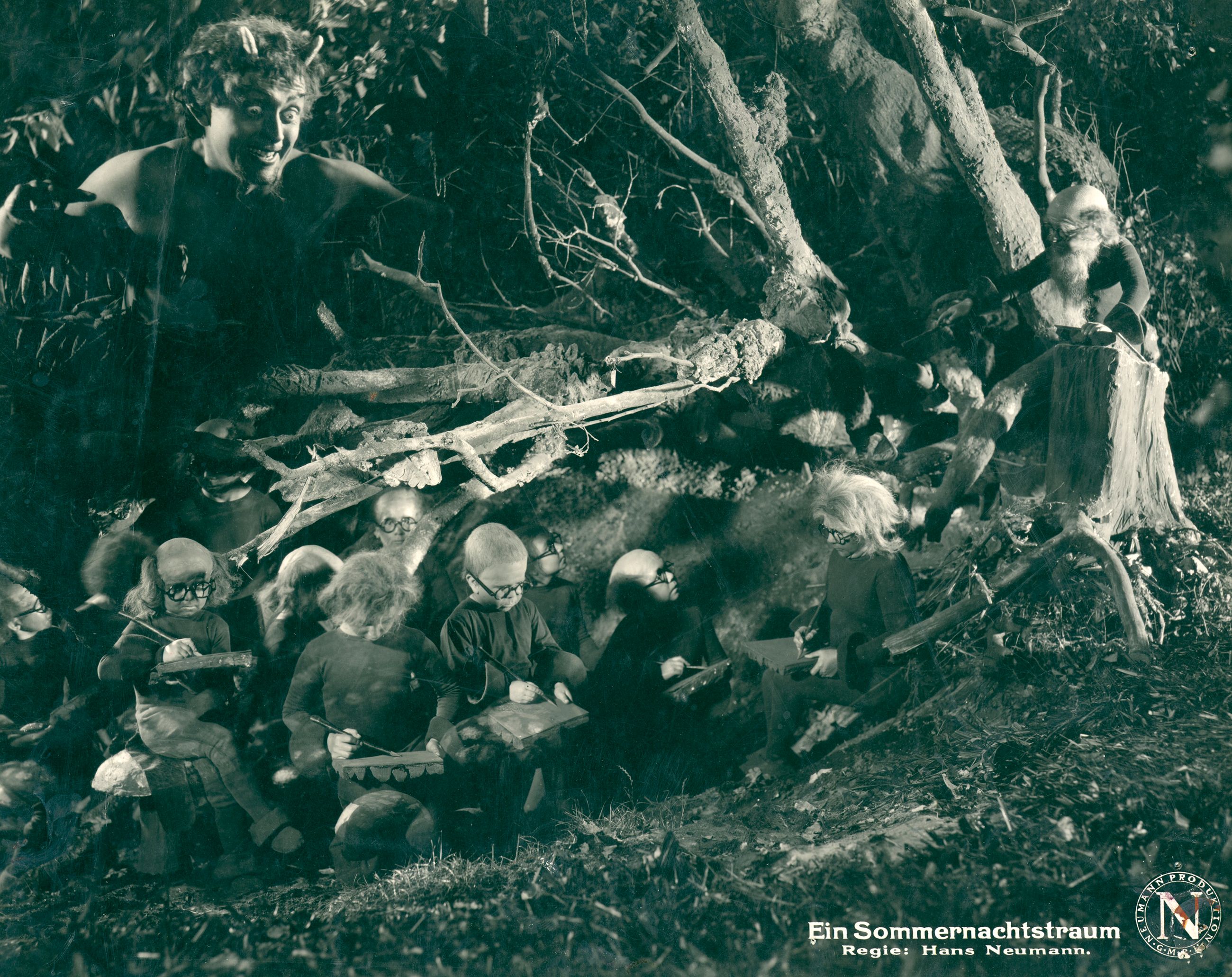
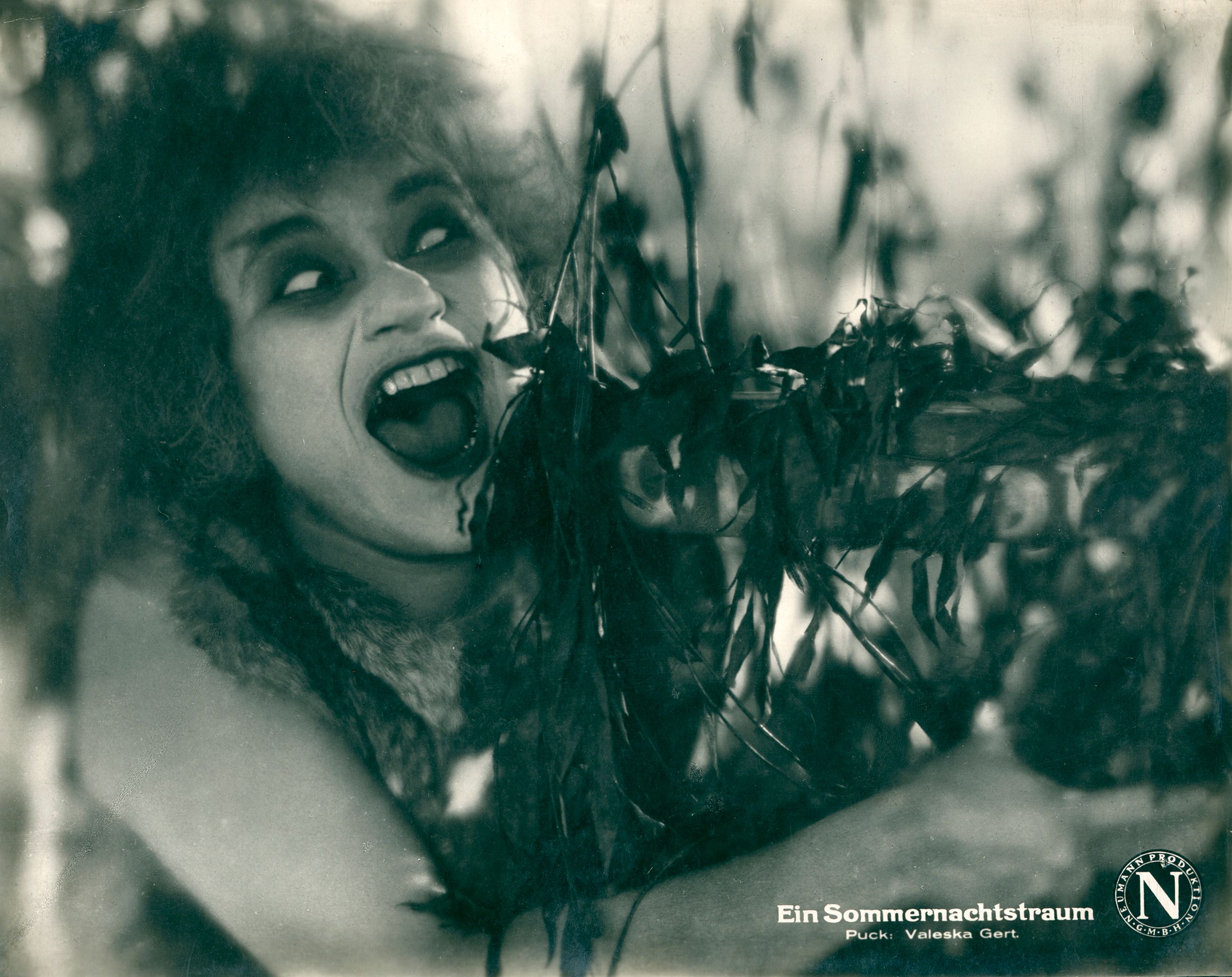
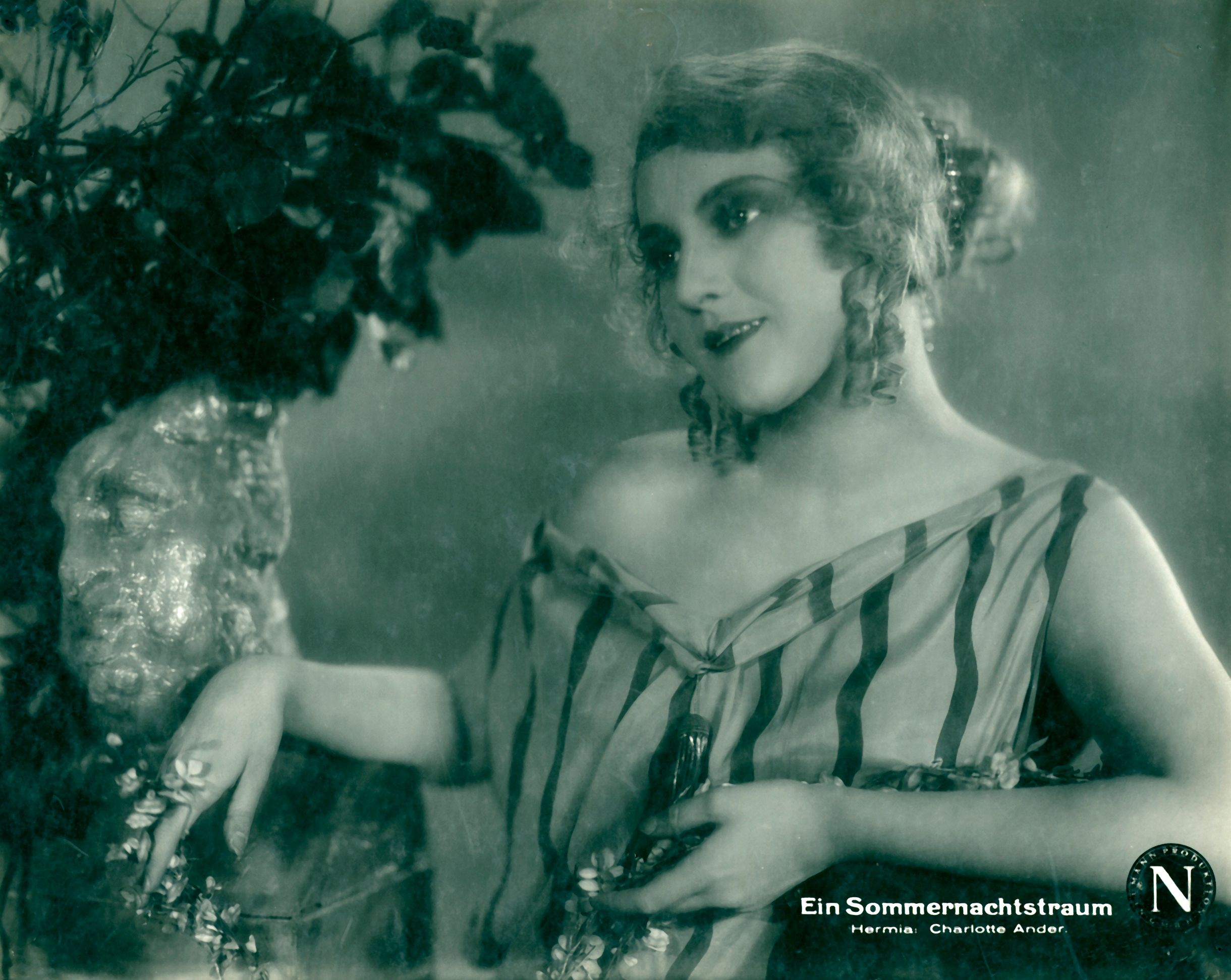
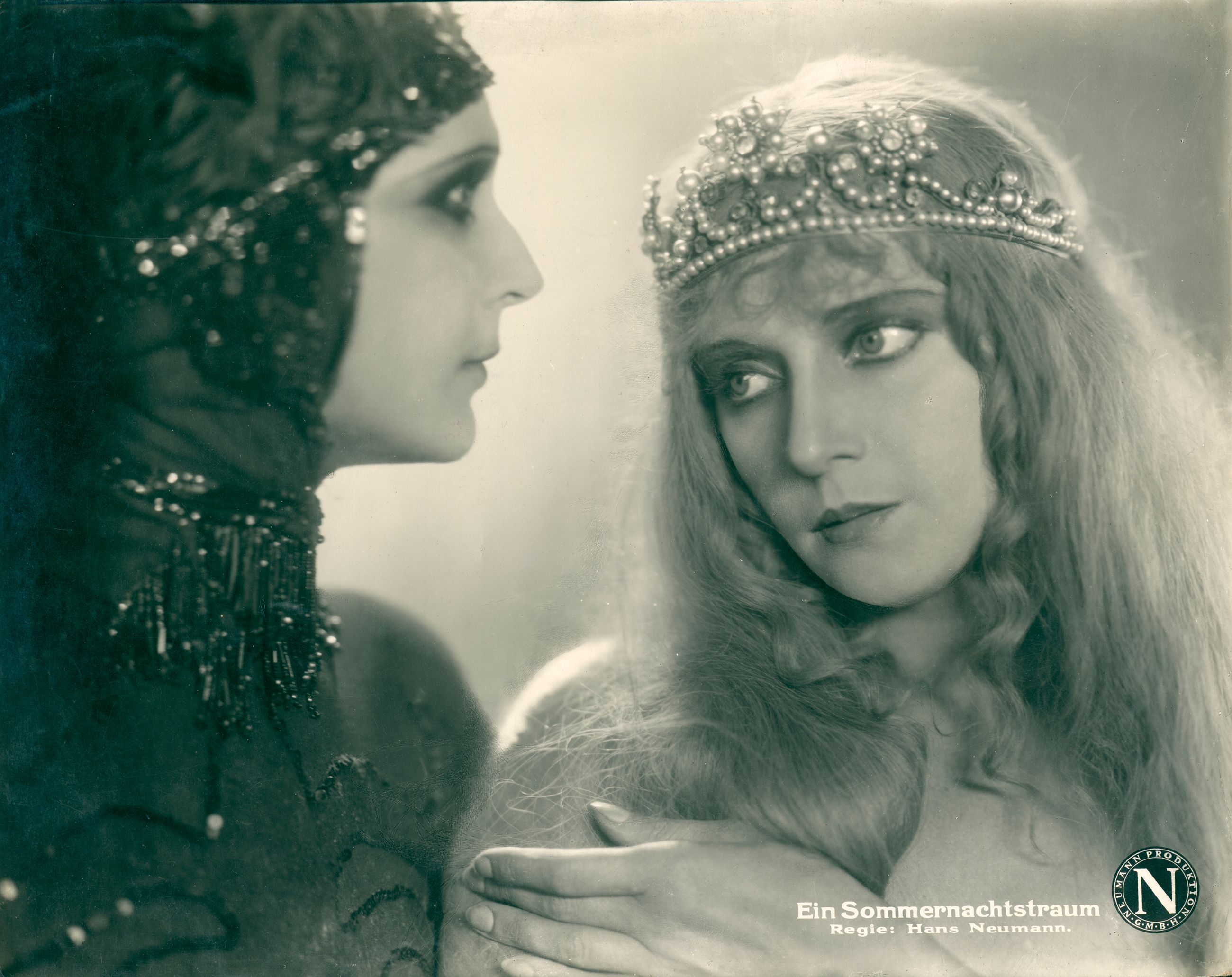
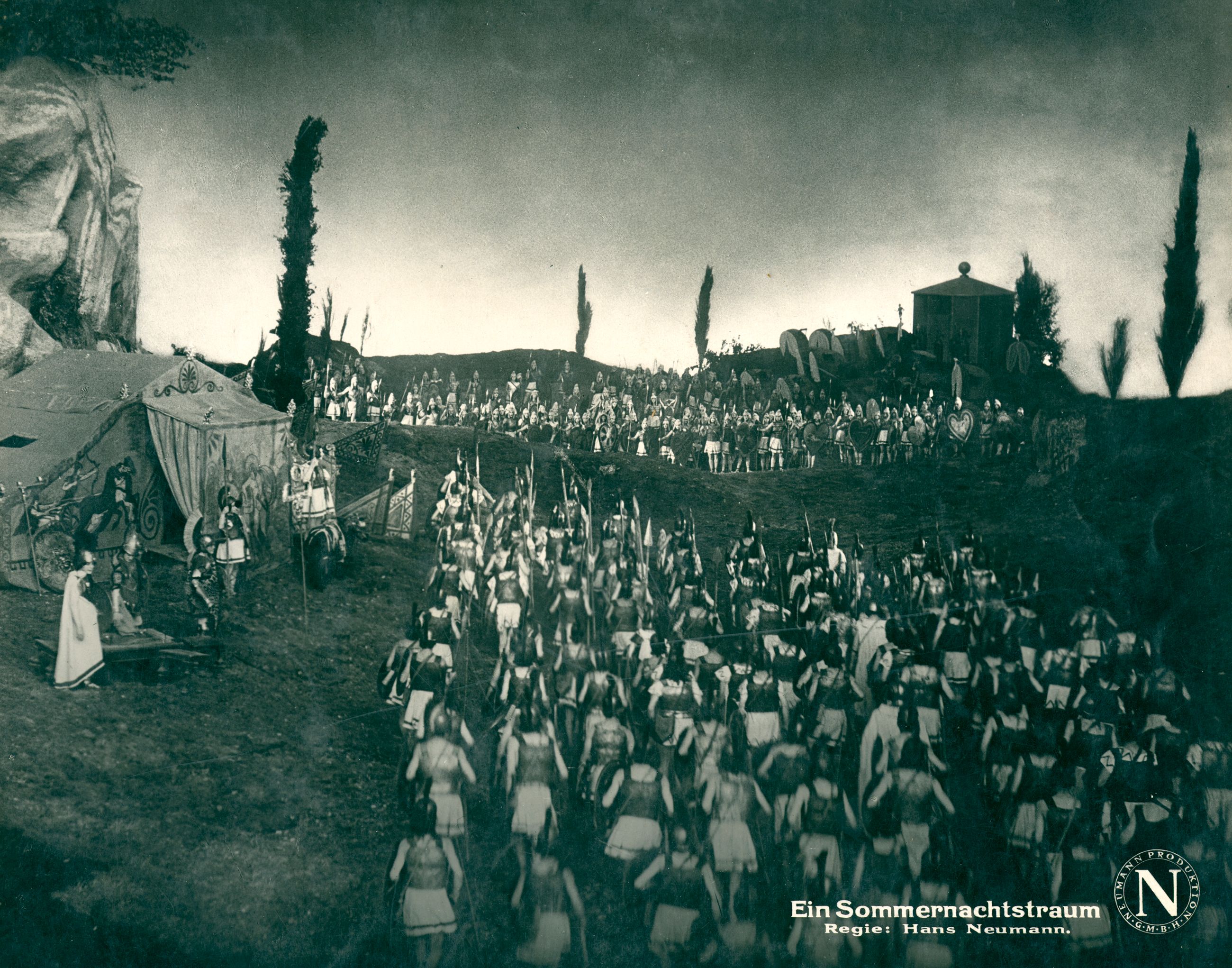
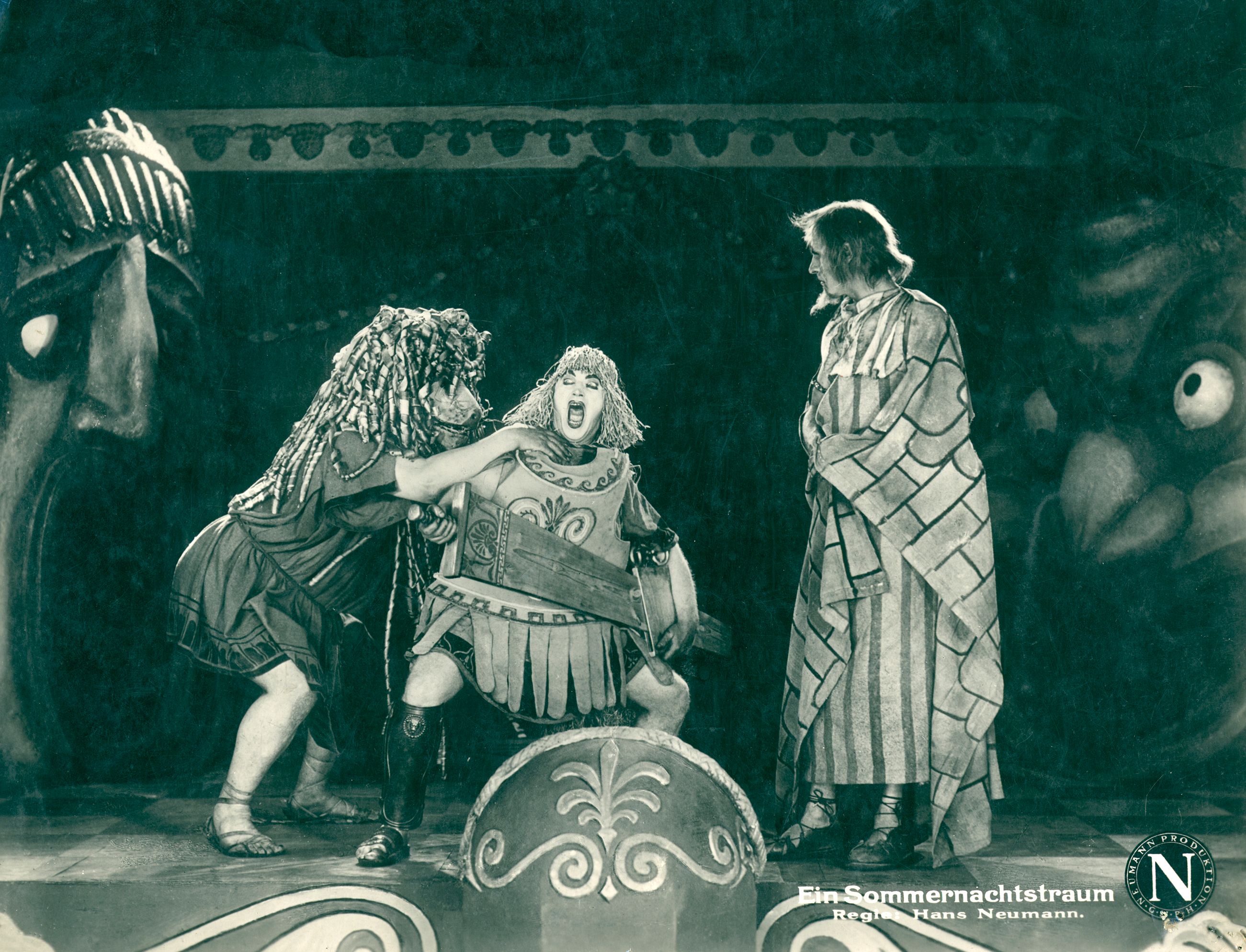
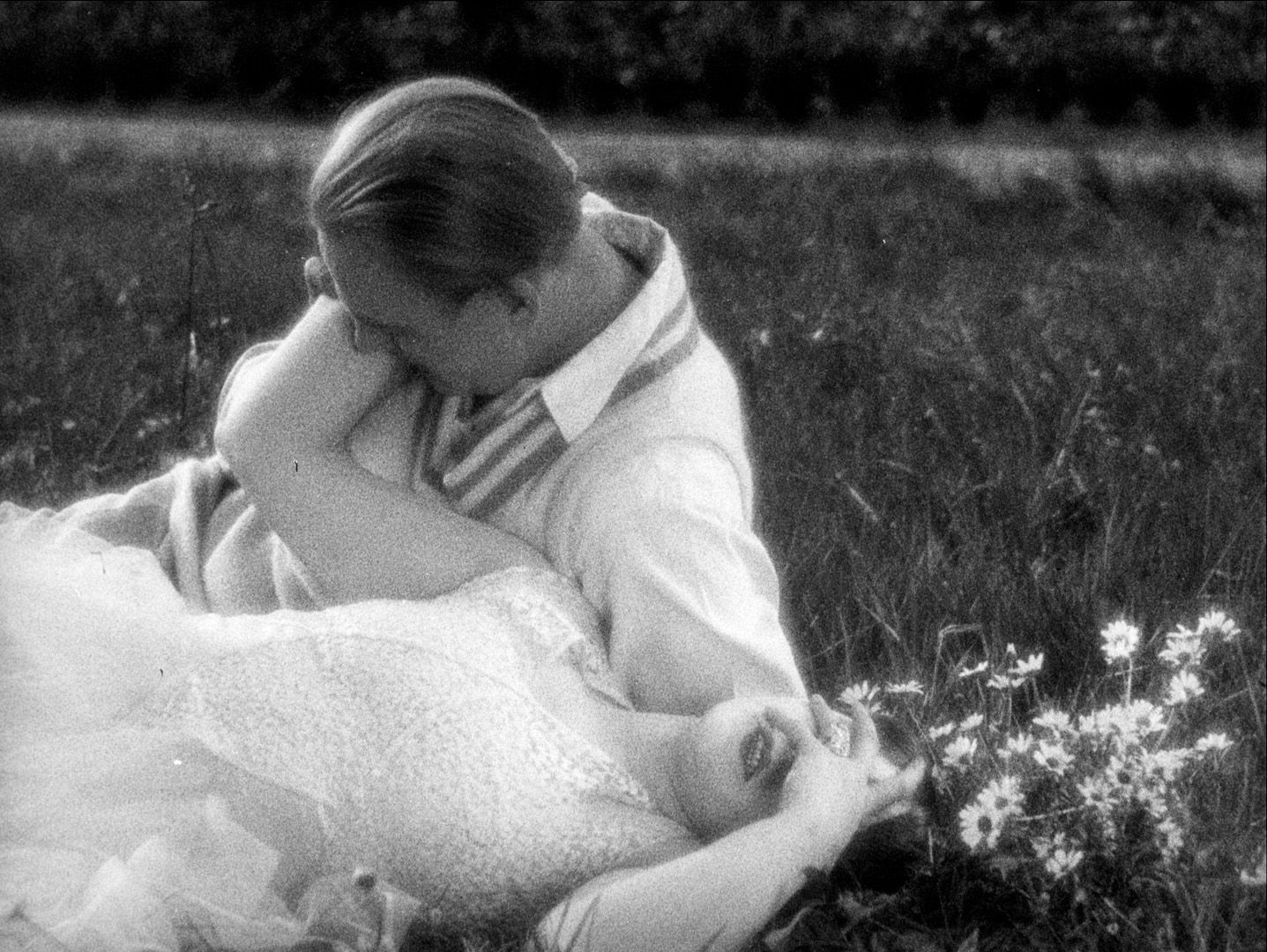
How can we consider films to be lost when there are still cellars to explore? This 1925 German adaptation of Shakespeare’s A Midsummer Night’s Dream was discovered – in a nitrate print, no less – under a cellar floor in Oregon in 2010. It was restored by the UCLA Television and Film Archive and the Film Foundation, from a number of sources. It still remains effectively lost as far as the Internet is concerned, not listed among director Hans Neumann’s credits, nor in lead Hand Albers’ credits. An exciting unknown quantity (well, we know the plot), with music by the Sascha Jacobsen Quartet. At 1:oo p.m.
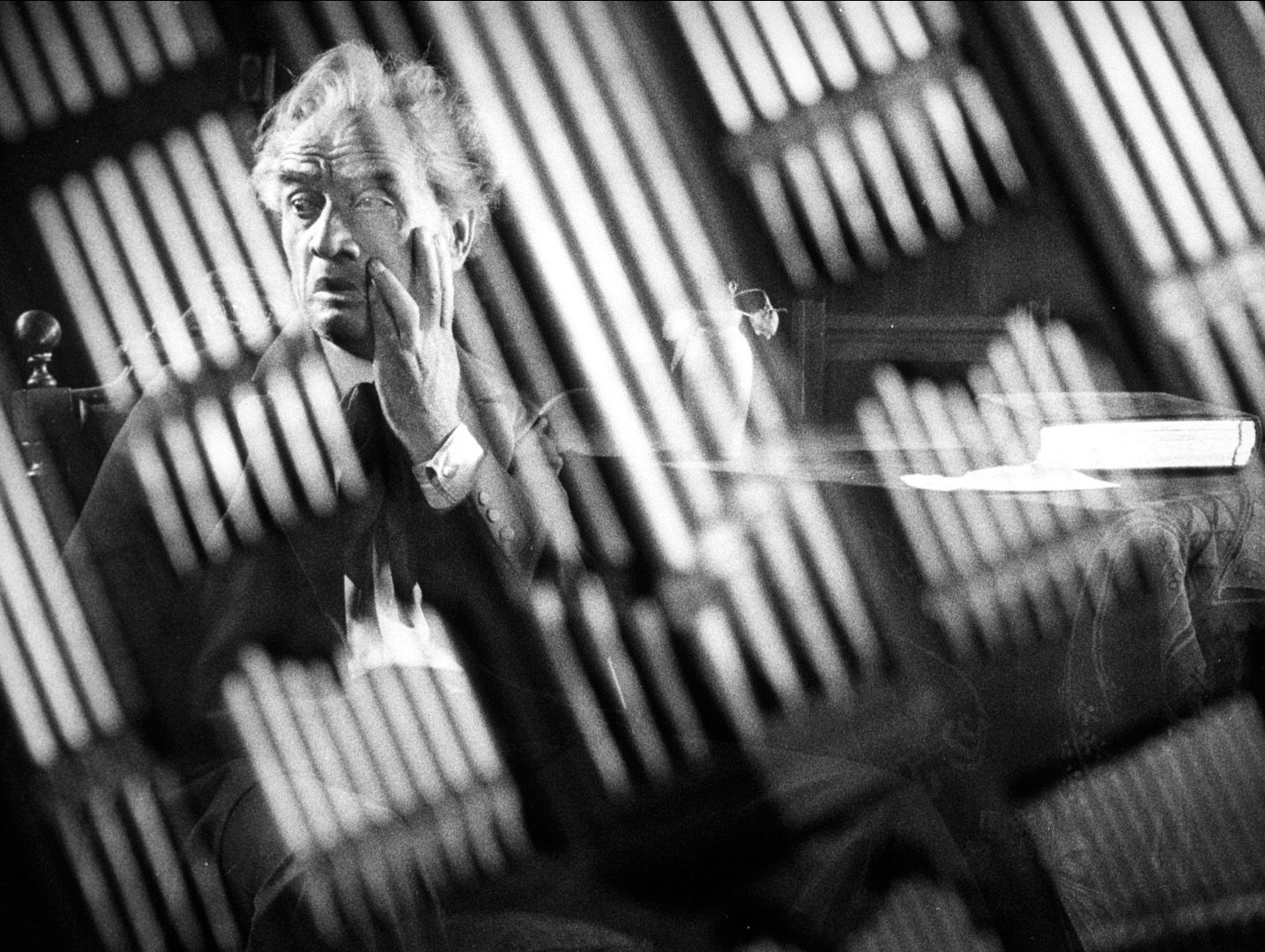
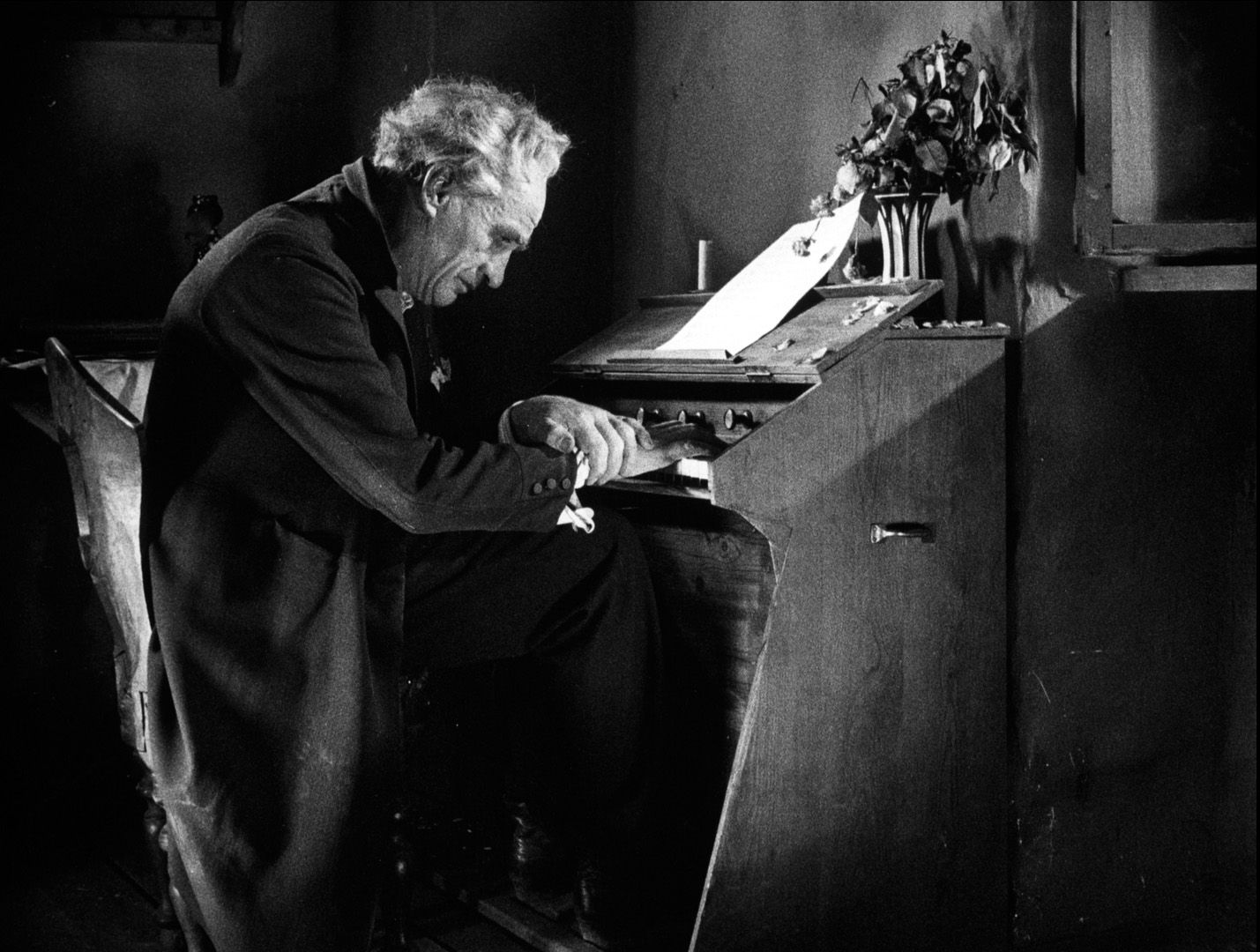
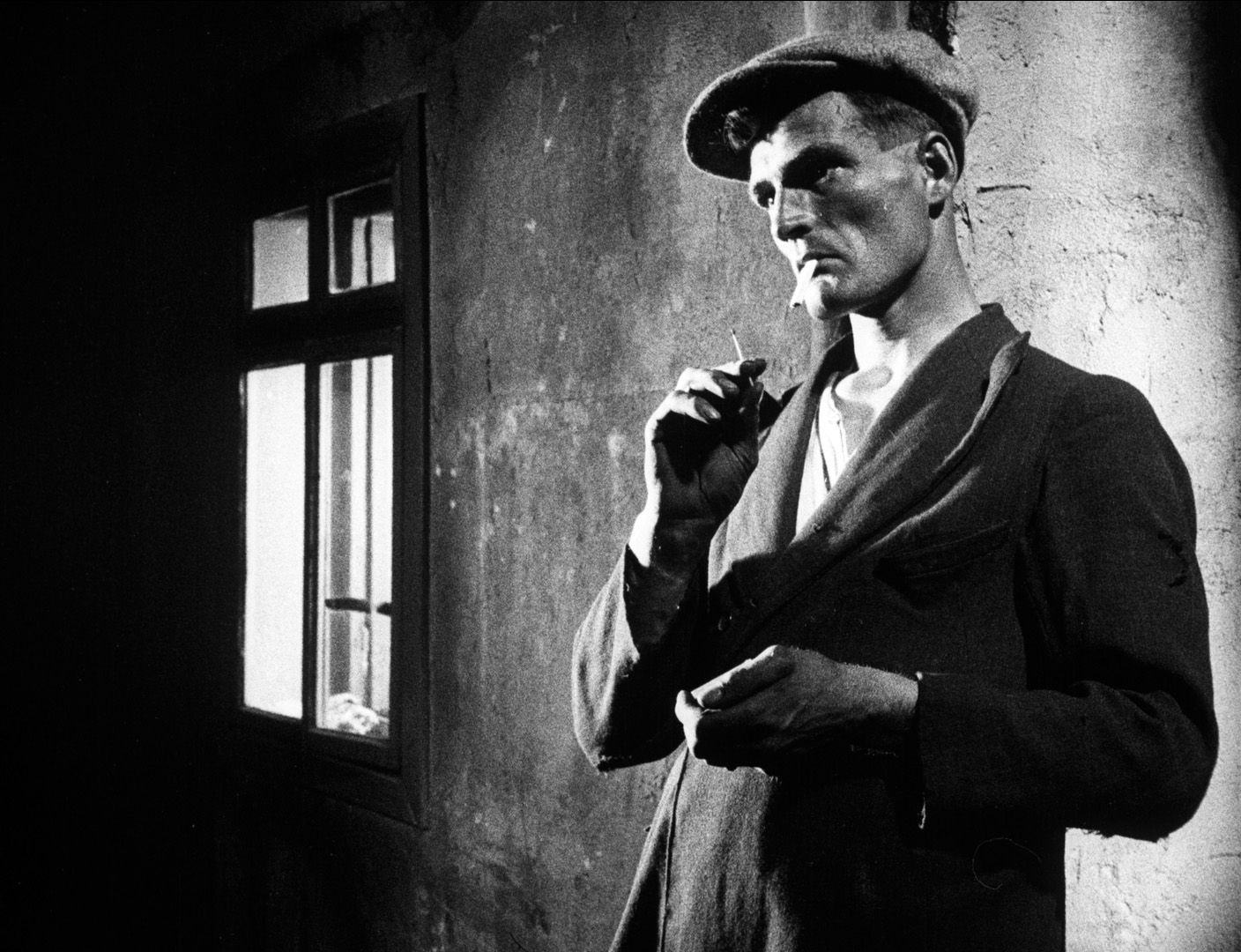
Another unknown quantity awaits at 3 p.m.: the Czech film The Organist at St. Vitus Cathedral, from prolific — 112 films that span the years from silent to TV miniseries — Martin Frič. The plot involves suicide, stealing money from the deceased, and blackmail – all things that make noir movies worth watching, and we deduce noir from the presence of Eddie Muller as introducer and the Film Noir Foundation, as well as BAMPFA, as co-presenters. Maud Nelissen will provide the accompaniment.
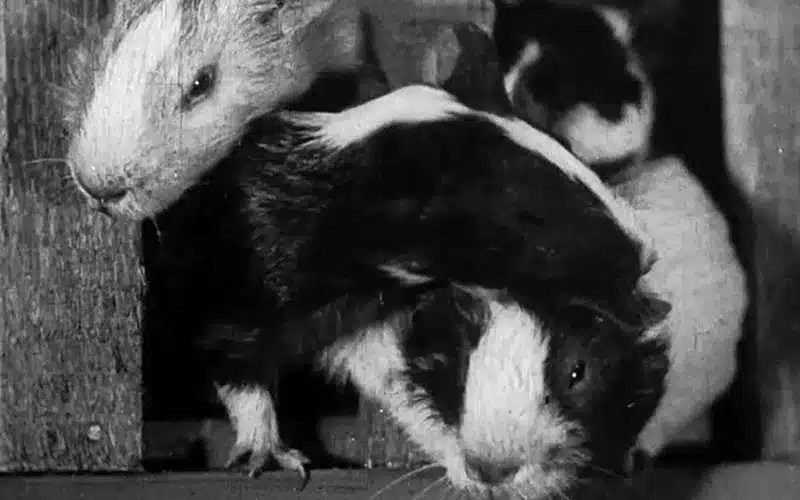
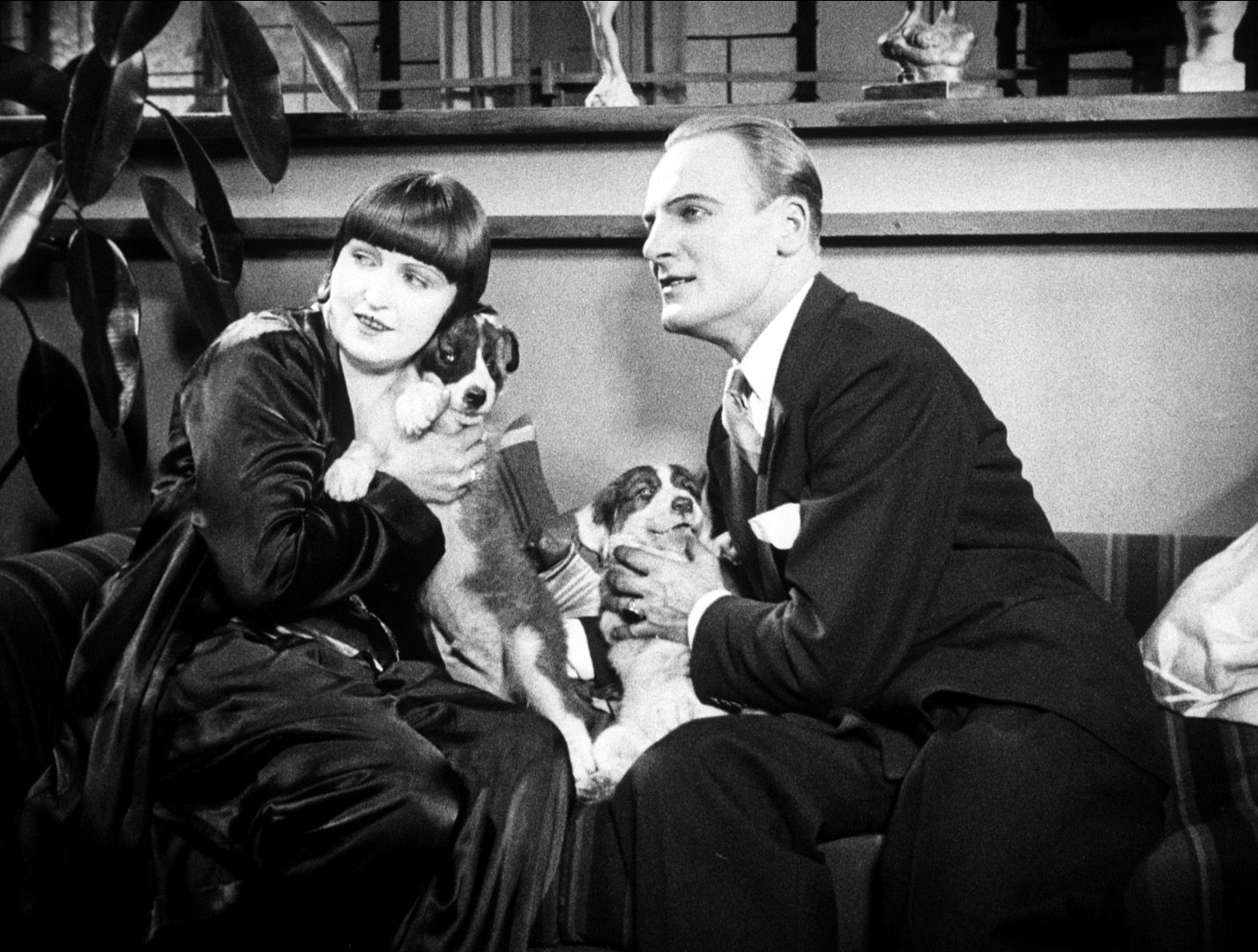
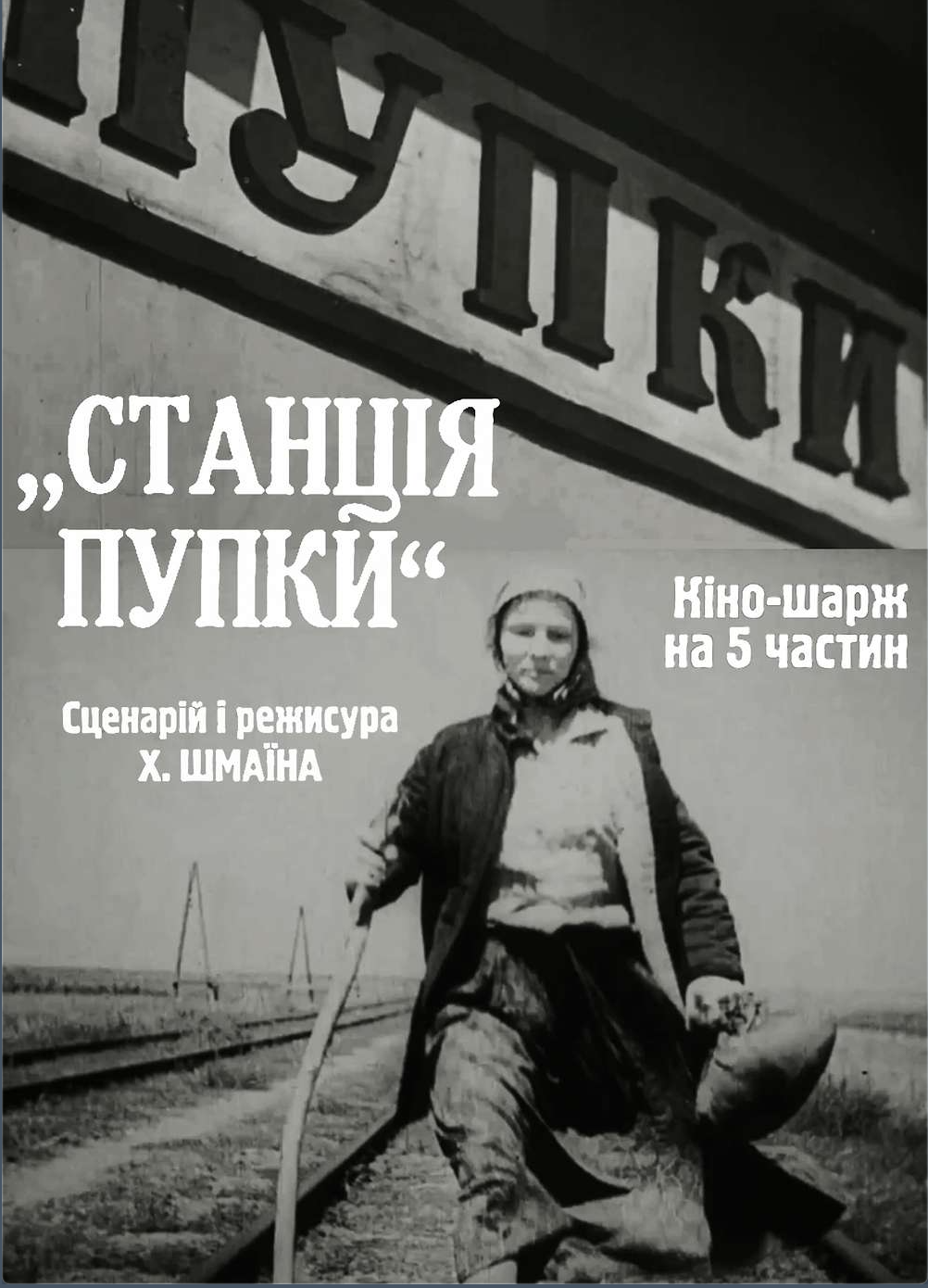
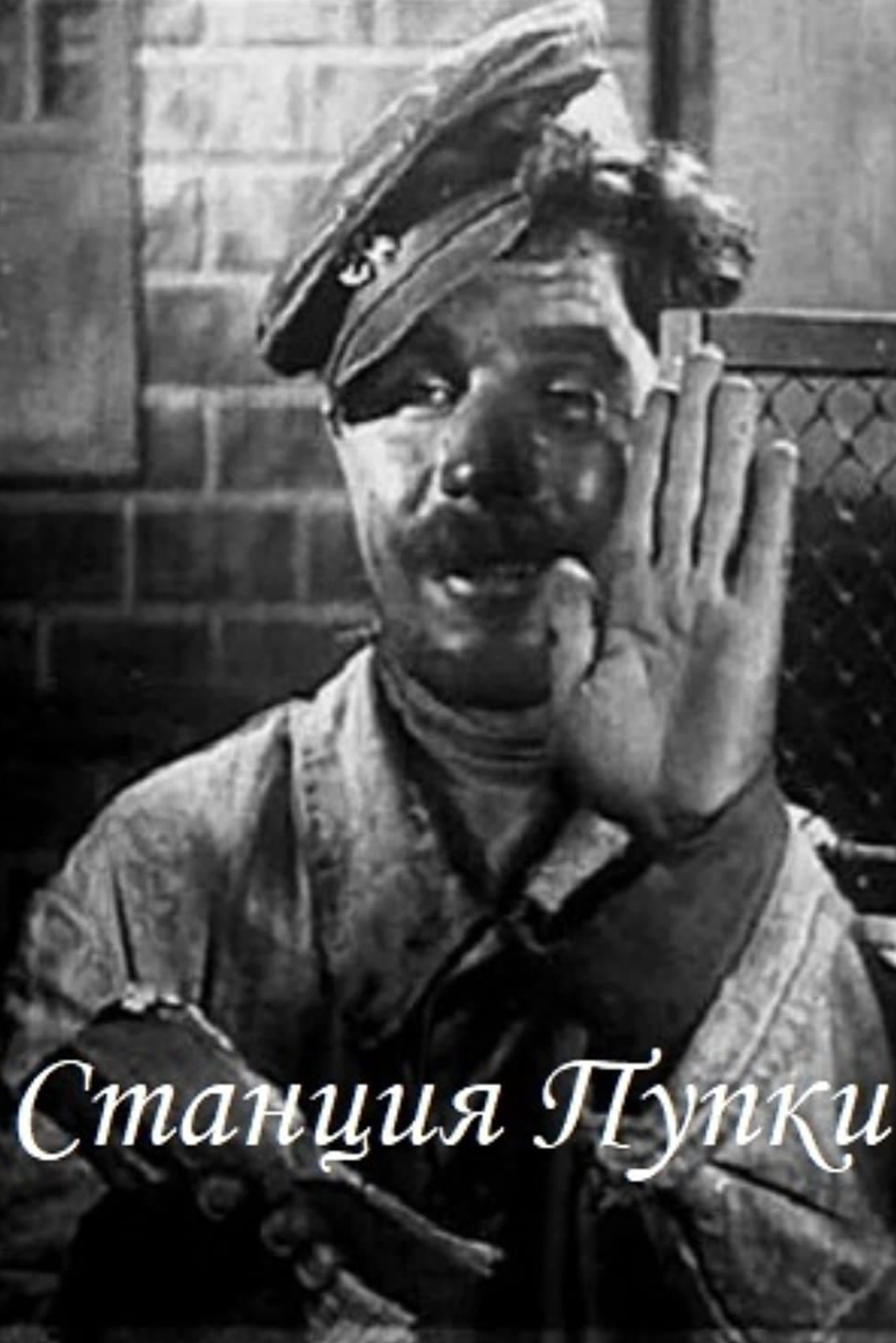
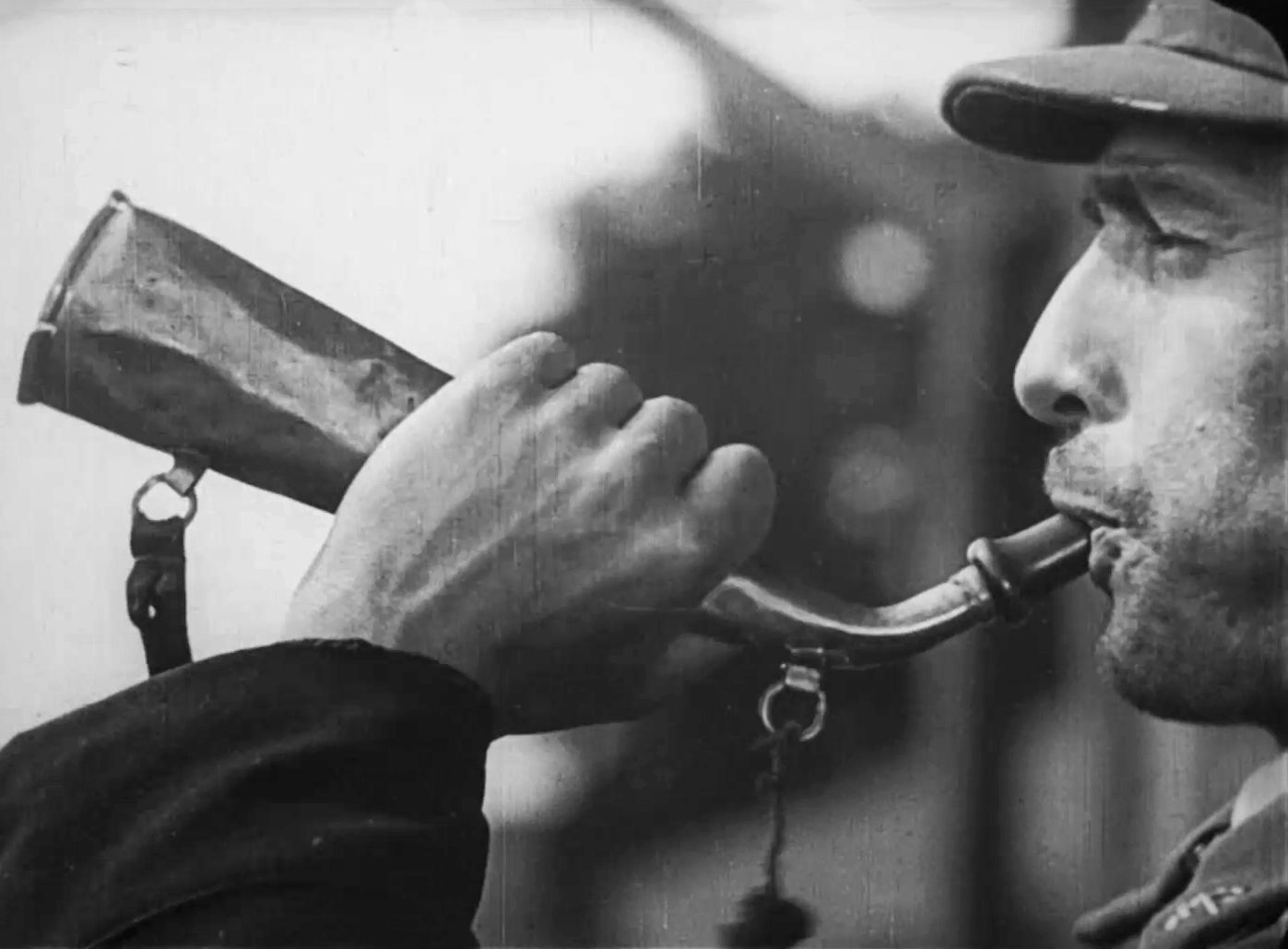
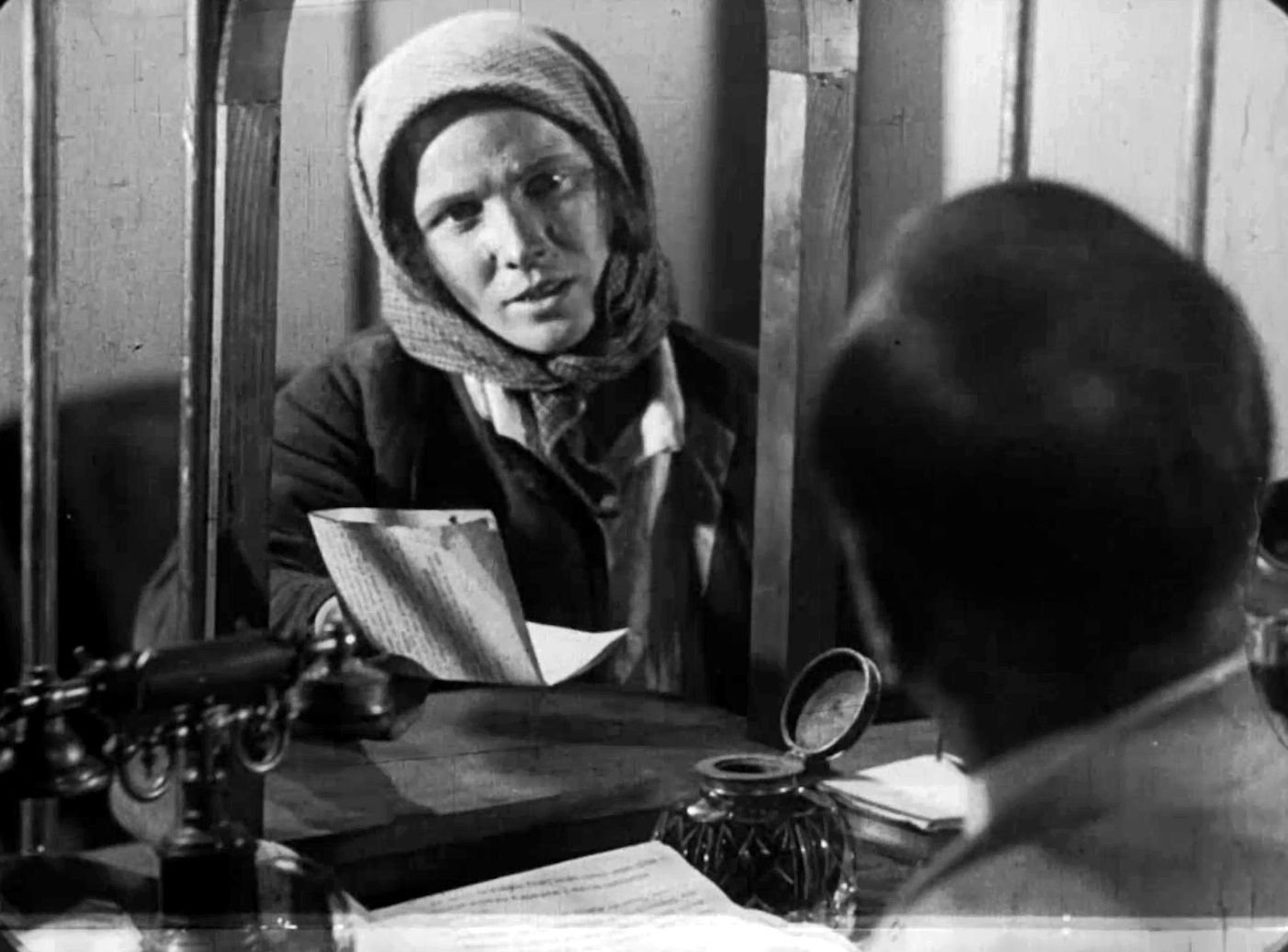
I am intrigued by the picture that the Festival chose to post for its 5 p.m. film, Pigs Will be Pigs, since it appears to be of hamsters rather than pigs. (editor’s note: They might be guinea pigs. We shall find out on Saturday.) Another film presumed lost, it was discovered by Peter Bagrov, the director of the George Eastman House Museum, in the collection of the Bundesarchiv in Berlin, and repatriated to the Oleksander Dovzhenko National Film Archive in Kyiv in 2015. We’re fascinated by the potential of this film, described as a “trenchant comedy…broadcasting all the flaws of the Soviet totalitarian system.” Seems, somehow, timely. Music provided by Guenter Buchwald and Frank Bockius.

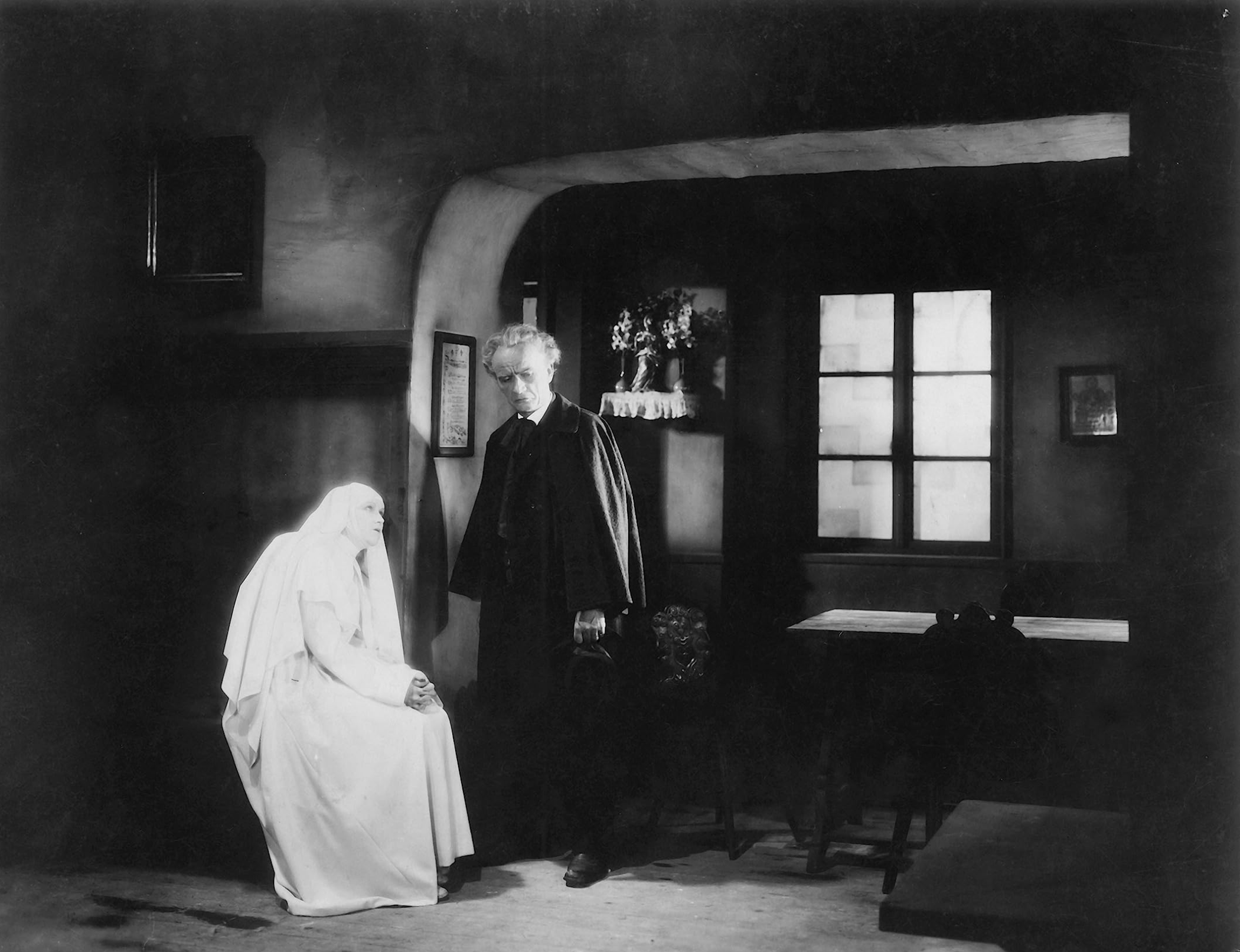
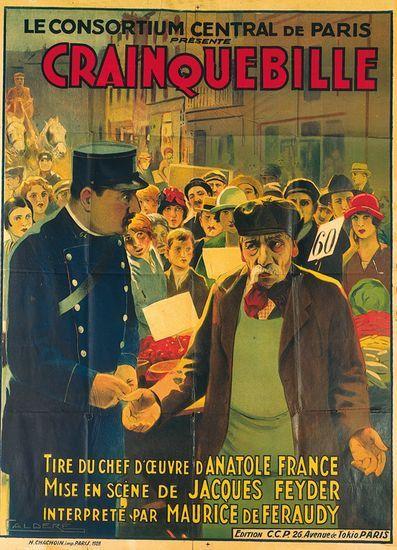
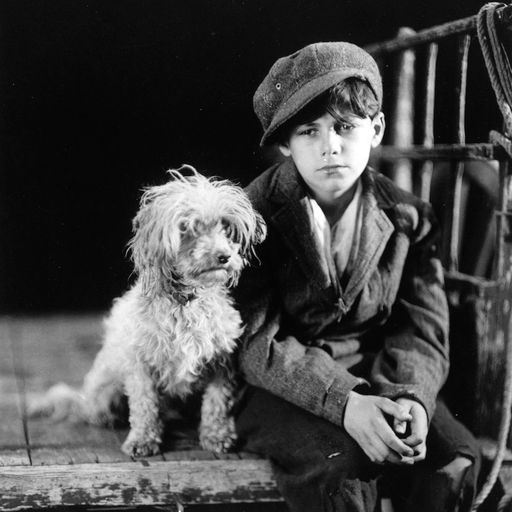
I worship at the shrine of Jacques Feyder, so I look forward to the 7 p.m. screening of his film Crainquebille with every fiber of my being. Reading how Lobster Films restored it in 2019 sounds almost impossible: “from five original elements: a few fragments of the original camera negative and 14 cans of trims and outtakes preserved by the Cinémathèque Française, an abridged nitrate print in the CNC collection, a nitrate print from the Danish Film Institute, a safety fine grain and an original 17.5mm diacetate print in the Lobster Collection. Tinting and toning were recreated according to the handwritten inscriptions on the original negative, and the few surviving original prints. Intertitles were recreated according to the original nitrate flash titles, the translation of foreign prints, and the Swedish censorship cards of the original release.” (As far as I’m concerned, they’re doing God’s work.) Adapted from Anatole France’s novella about the friendship of two street vendors that develops when the old produce peddler thinks his life has sunk as low as it can. Music by the Stephen Horne Ensemble.

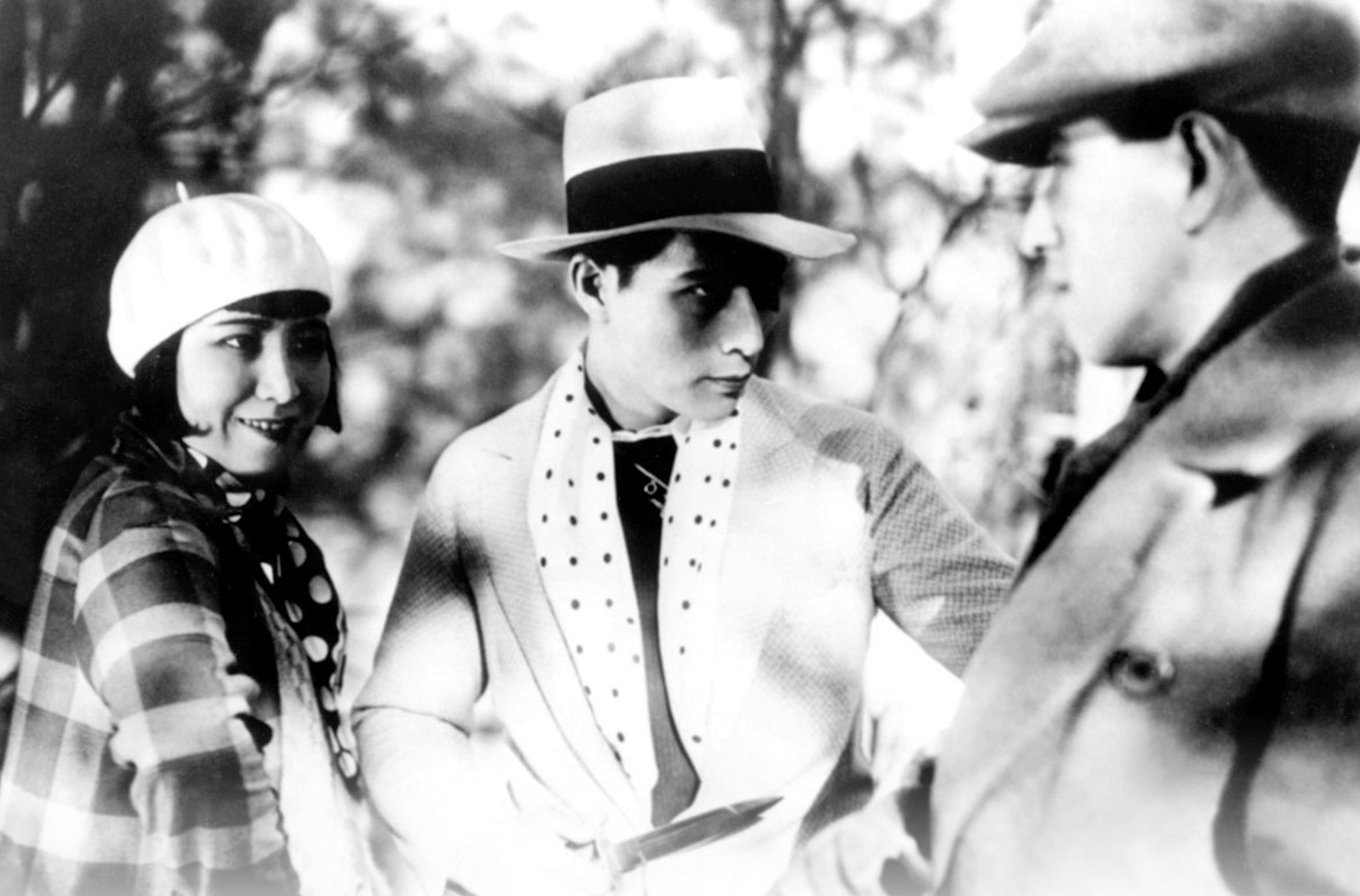
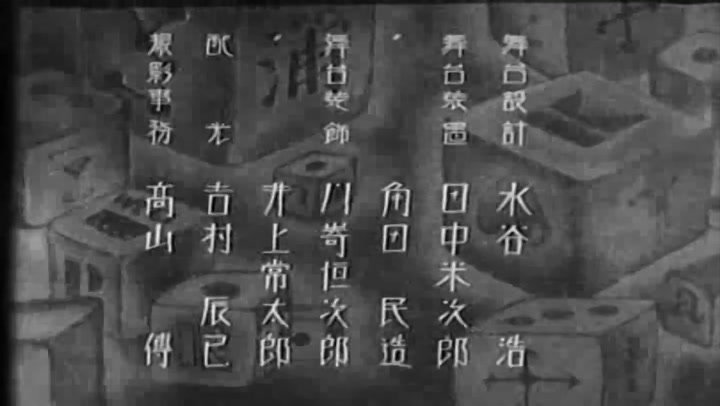
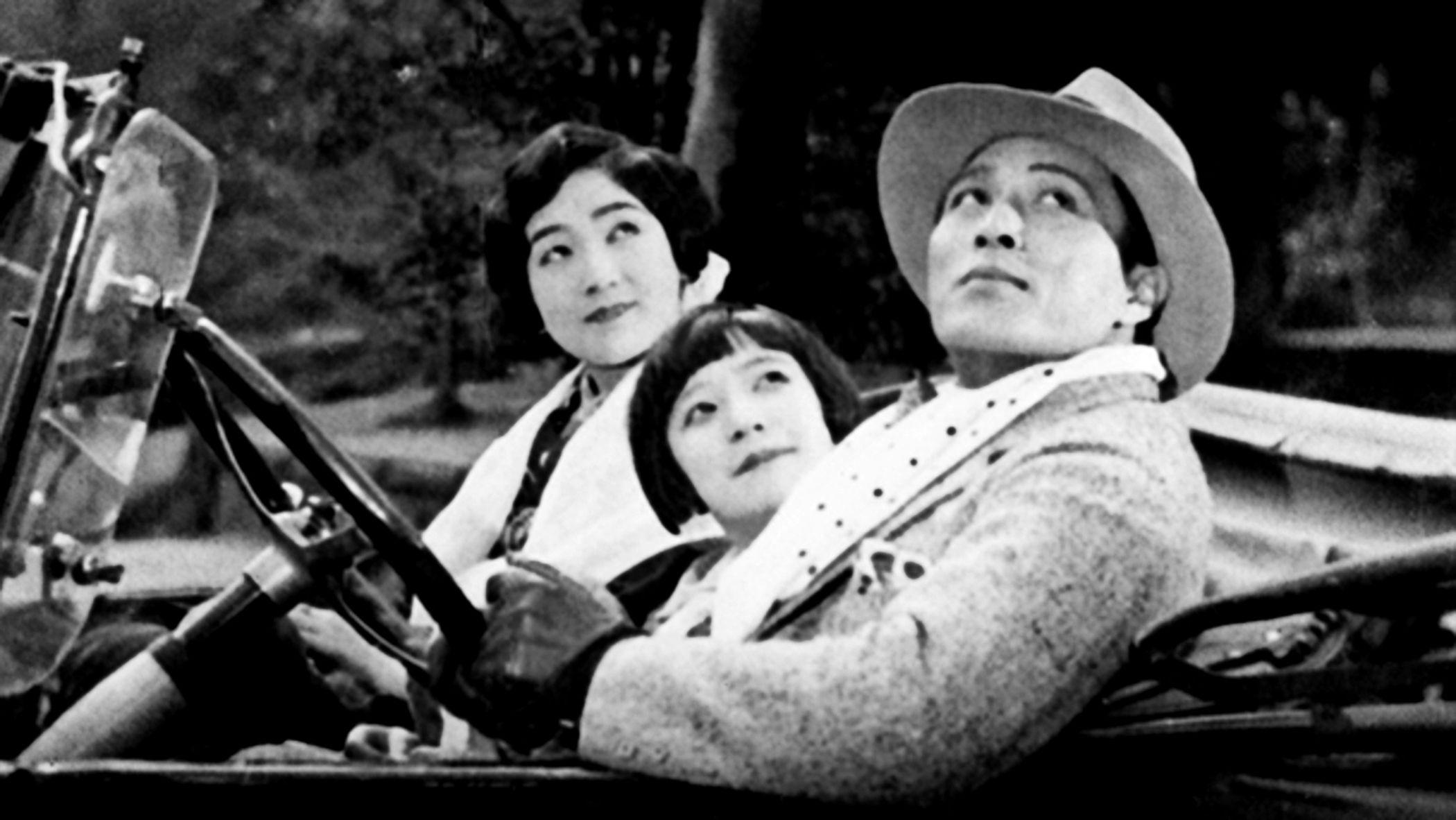
I have wanted to see Walk Cheerfully, Yasujiro Ozu’s homage to American gangster films, again, since I first saw it. My second chance is coming at the Castro on 9 p.m. Recently Ozu has been popping up all over the place: his silent comedy, Tokyo no Korasu (1931), on TCM’s Silent Sunday Night on July 9th, and his funny and touching Record of a Tenement Gentleman (1947) at BAMPFA on July 6th, part of their superb series “Shitamachi: Tales of Downtown Tokyo,” running through July 29th. Watching Ozu makes one want to watch more Ozu, so this comes at the perfect time. Unlike most Ozu the film is fast-paced and blends genres (drama, romance, comedy and crime) while referring to Hollywood films in a tale of, in Ozu’s own words, “a delinquent who goes straight.” But does he? Therein lies the twist.
The Criterion Channel has 90 videos of and about Ozu right now. Walk Cheerfully will be accompanied by Utsav Lal.
Even just writing about Sunday, July 16th, the last day of the Festival, makes me a trifle sad. It always seems to arrive too soon.
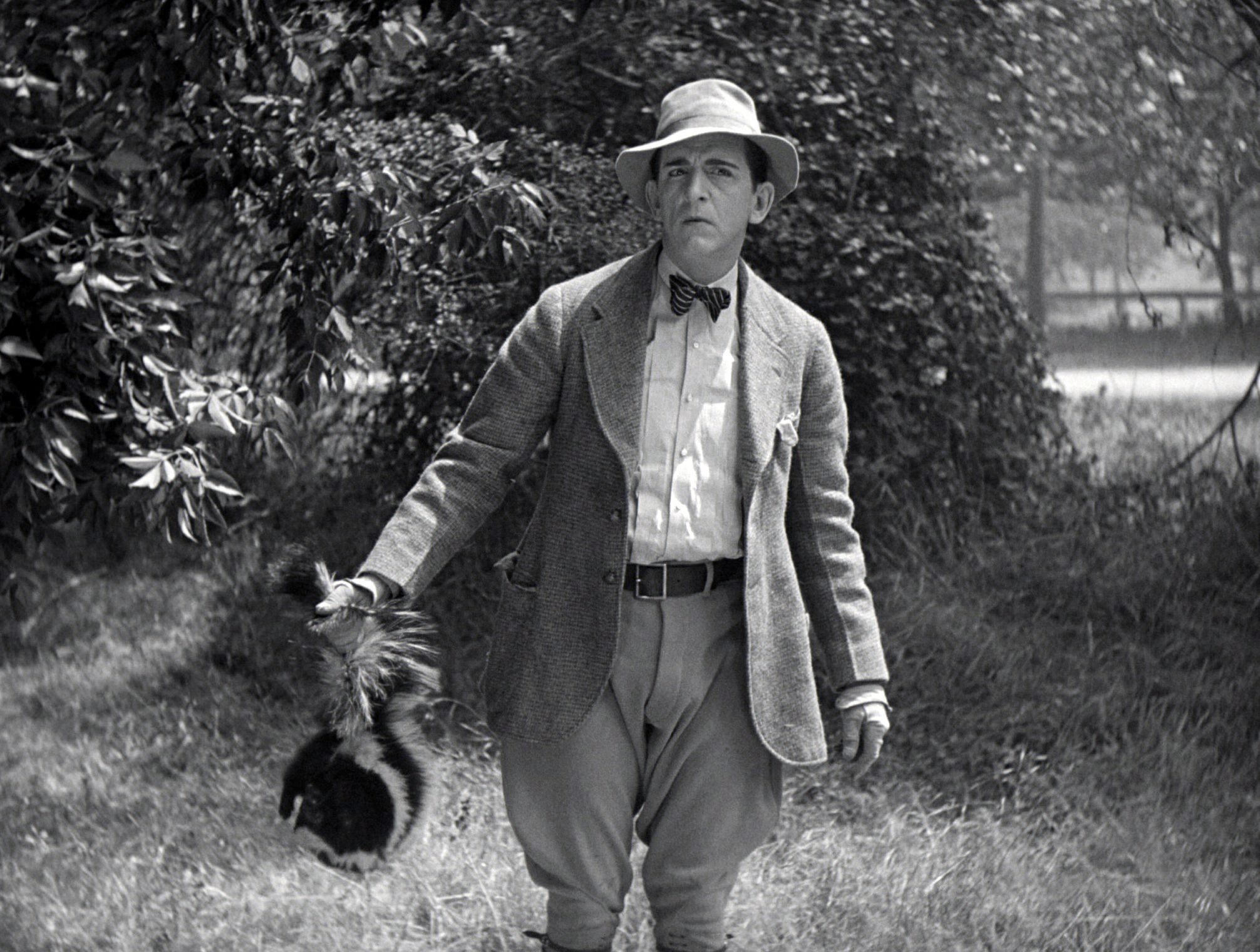
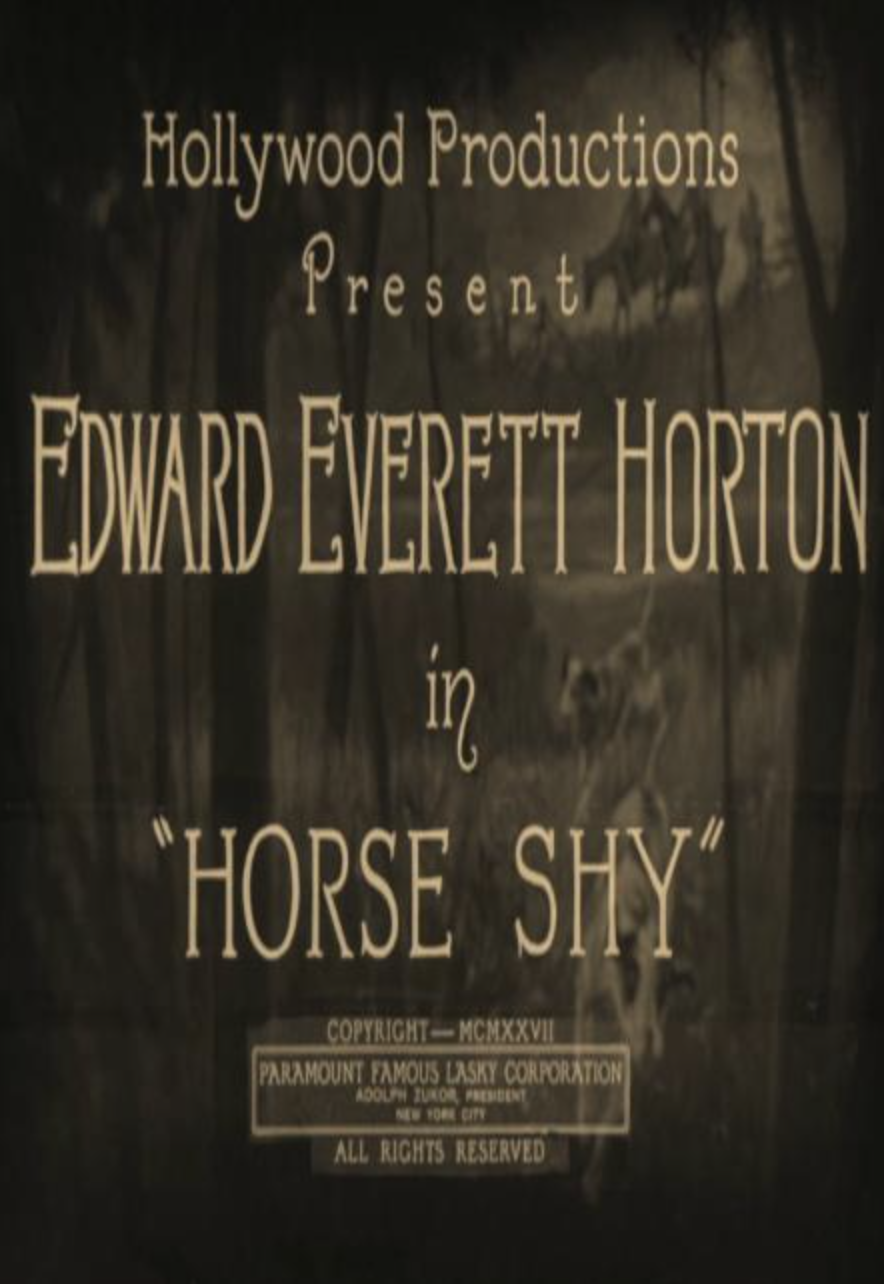
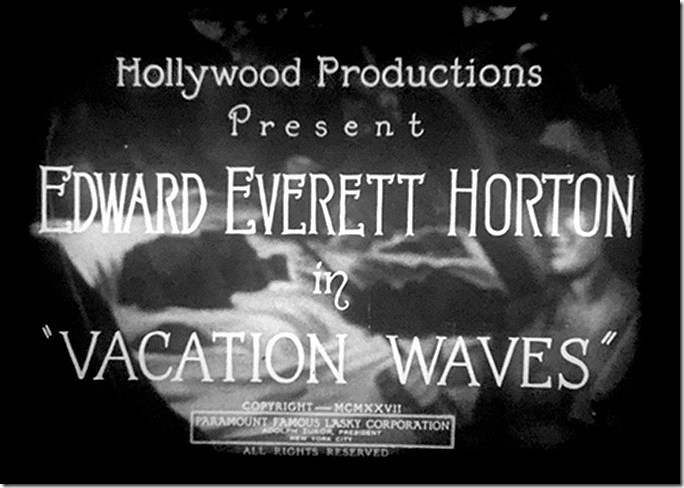
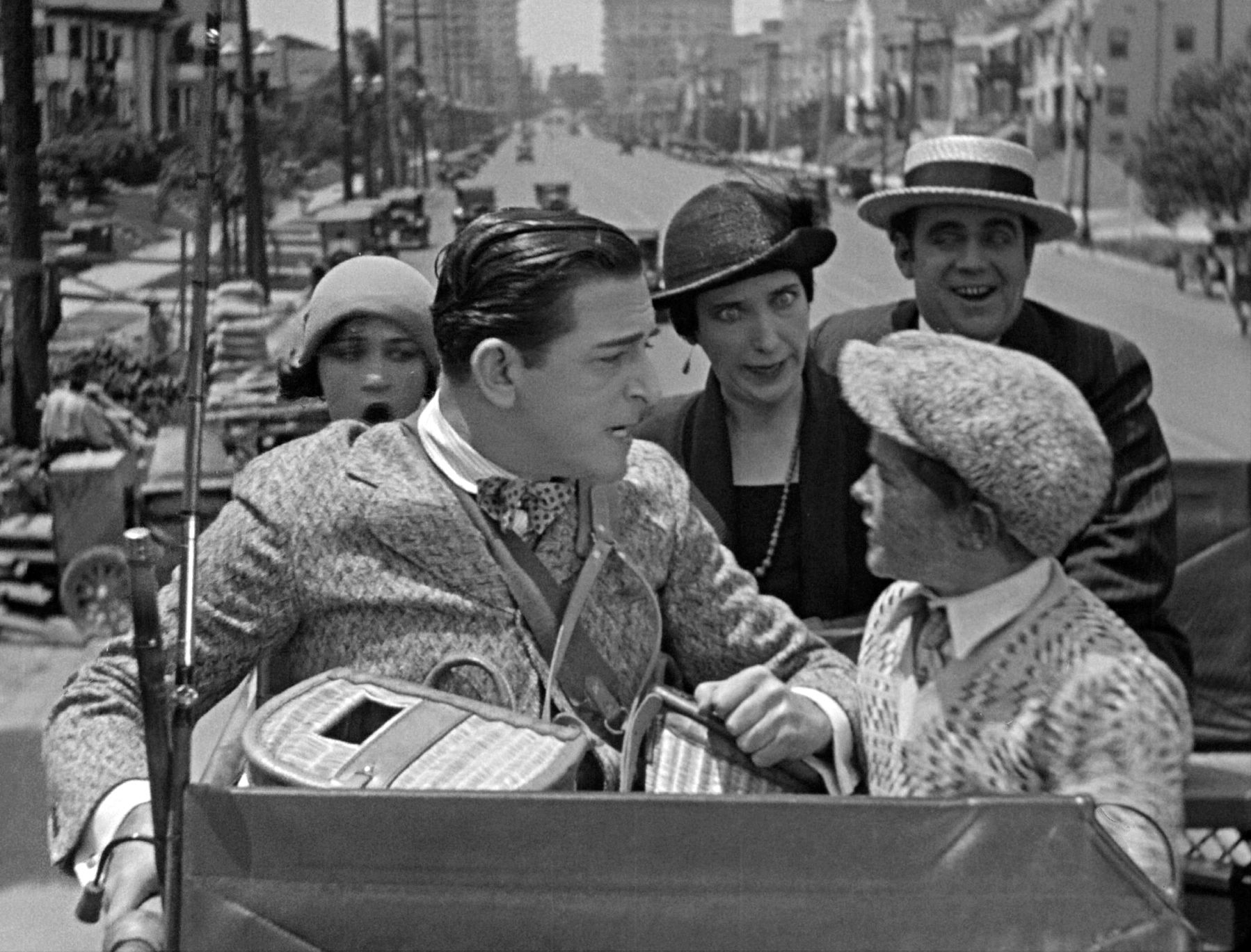
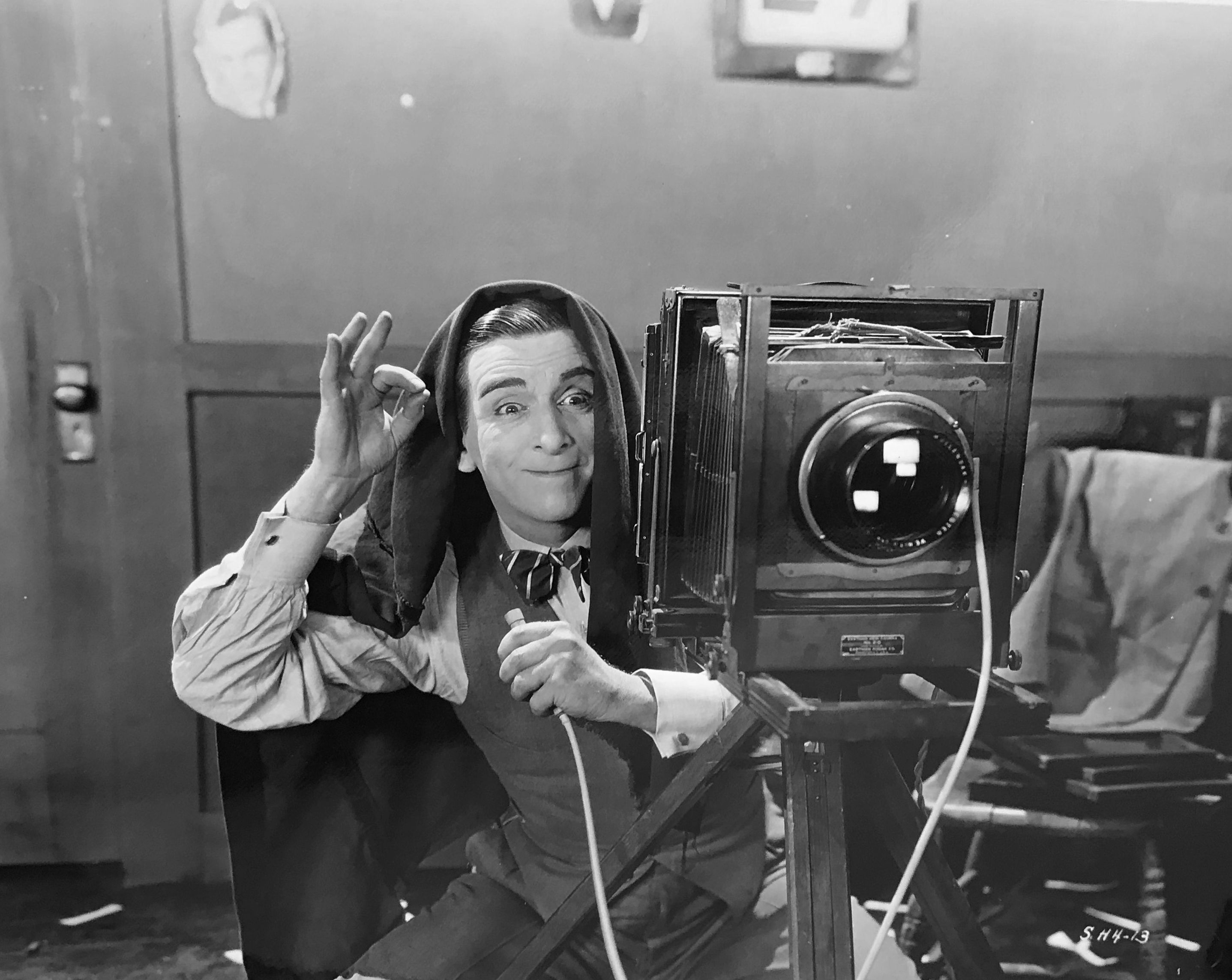
The Edward Everett Horton Show! intrigues at 11 a.m.: three silent two-reelers starring Horton, produced by Harold Lloyd, in new digital restorations by Undercrank Productions made in collaboration with the Library of Congress. It’s hard for me to think of Horton without his distinctive high nasally voice, but I’m certainly willing to try. The three shorts will be introduced and accompanied by Ben Model, one of the country’s leading silent film accompanists, resident at both MoMA in NY and the Library of Congress in Washington DC. This is Model’s first visit to the SFSFF and hopefully he will return with some of the truly rare films he unearths.

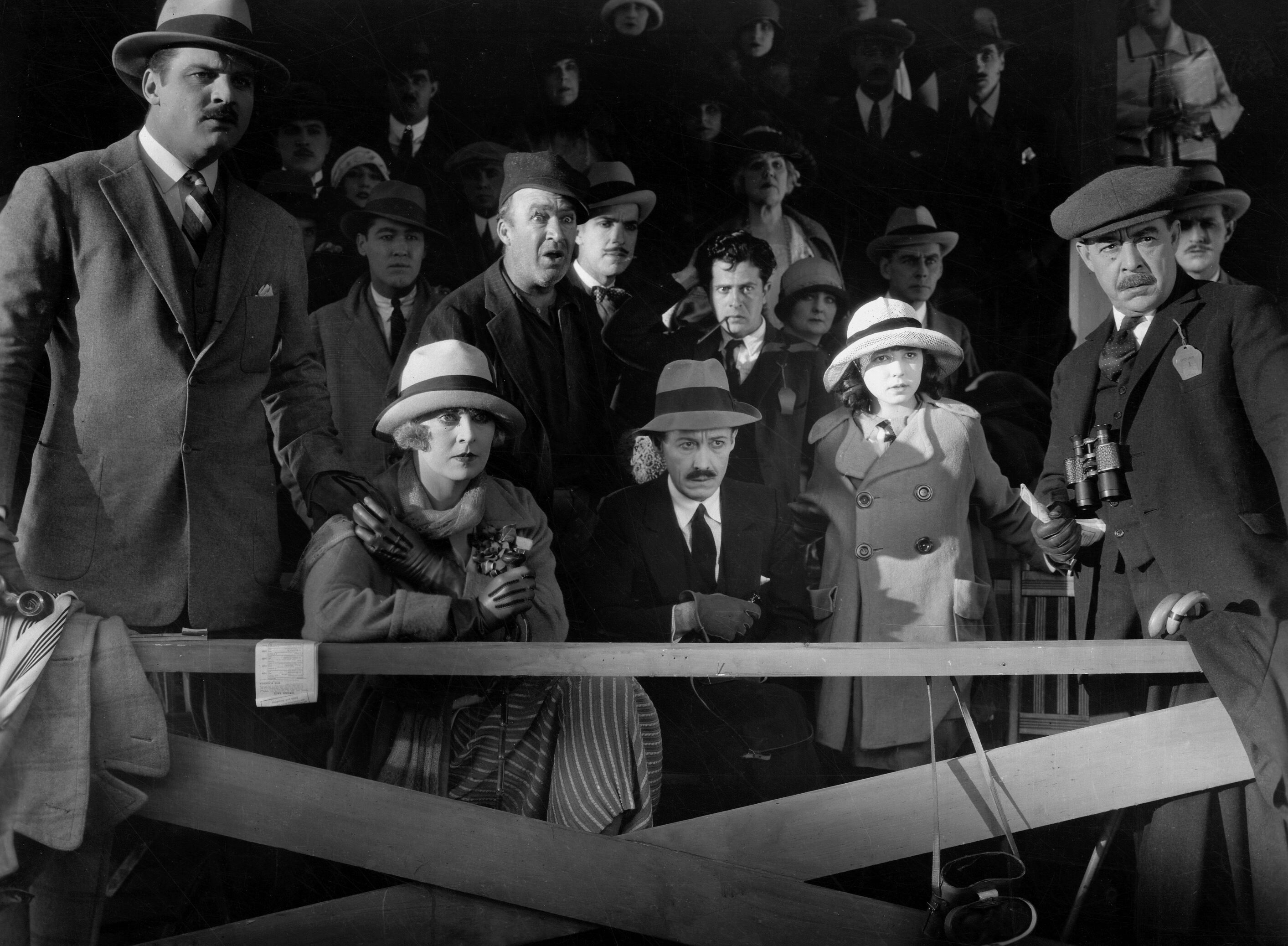
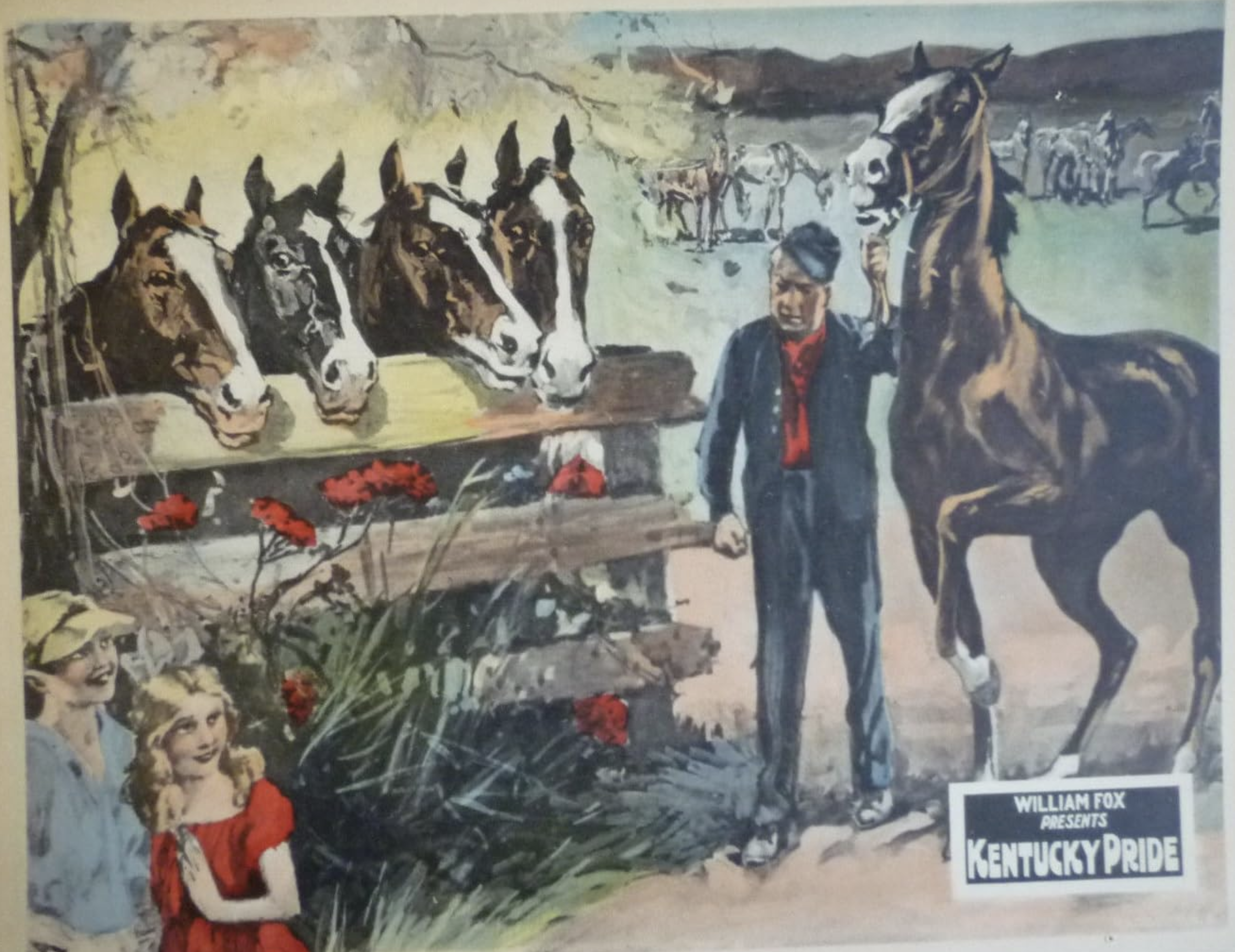
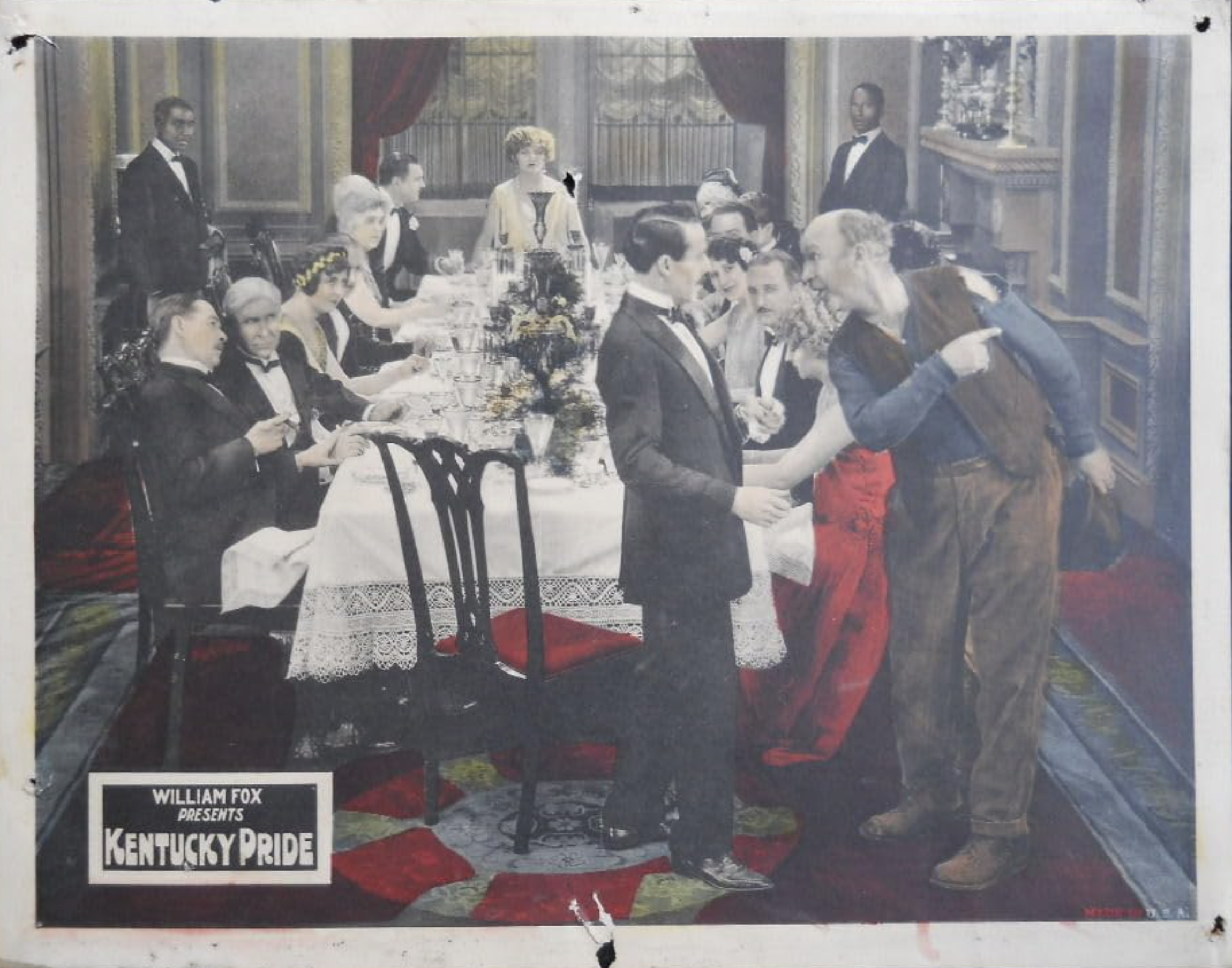
At 1 p.m., Kentucky Pride, a film by John Ford, who Orson Welles mentioned when asked for a list of his favorite filmmakers: “I prefer the old masters, by which I mean John Ford, John Ford and John Ford … He’s a poet and a comedian. With Ford at his best you get a sense of what the earth is made of.” I used to automatically say “John Ford and Jean Renoir,” when asked who my favorite directors were, and I’m happy to see this one for the first time. It’s the story of a racehorse narrated by the horse, Virginia’s Future, itself. (Straight from the horse’s mouth, as it seems, a line the SFSFF itself couldn’t resist.) Starring Henry B. Walthall, Gertrude Astor, and J. Farrell MacDonald, all members of the John Ford stock company. New 4K restoration by MoMA, funded by Twentieth Century Fox. Musical accompaniment by Wayne Barker.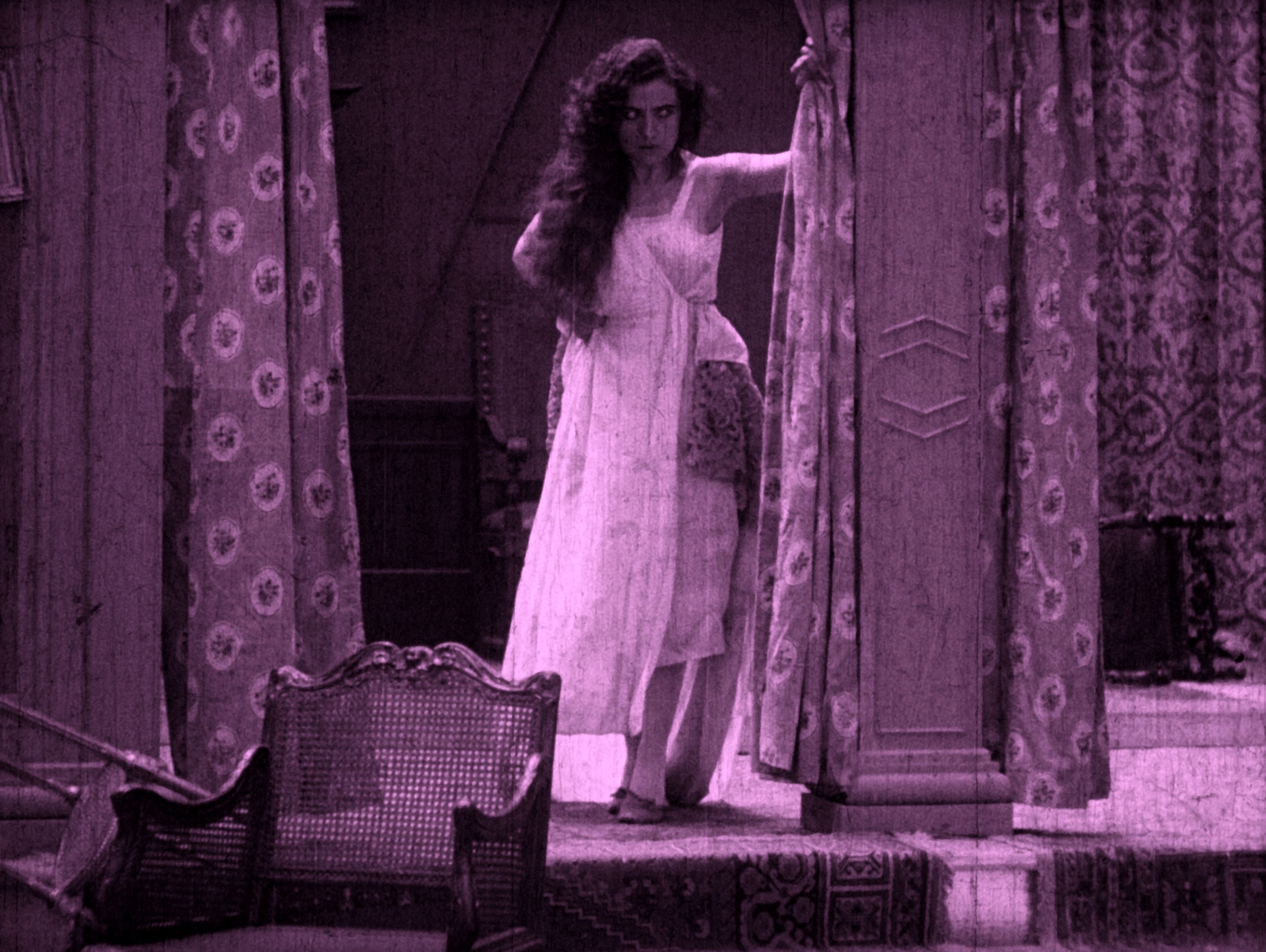
At 3 p.m, we’re treated to Voglio a Tte! the last major role of Francesca Bertini, one of the great Italian divas of the silent screen who made over 145 films. She incarnates Consuelita, a young girl who desires to escape her small Spanish fishing village (though actually filmed on Italy’s Amalfi Coast). The director, Roberto Roberti, is also the father of director Sergio Leone. The over-the-top stories and emoting of the diva films never fails to enchant. The 4K restoration was made by the Fondazione Cineteca Italiana in Milan in 2022. Stephen Horne will accompany the screening.

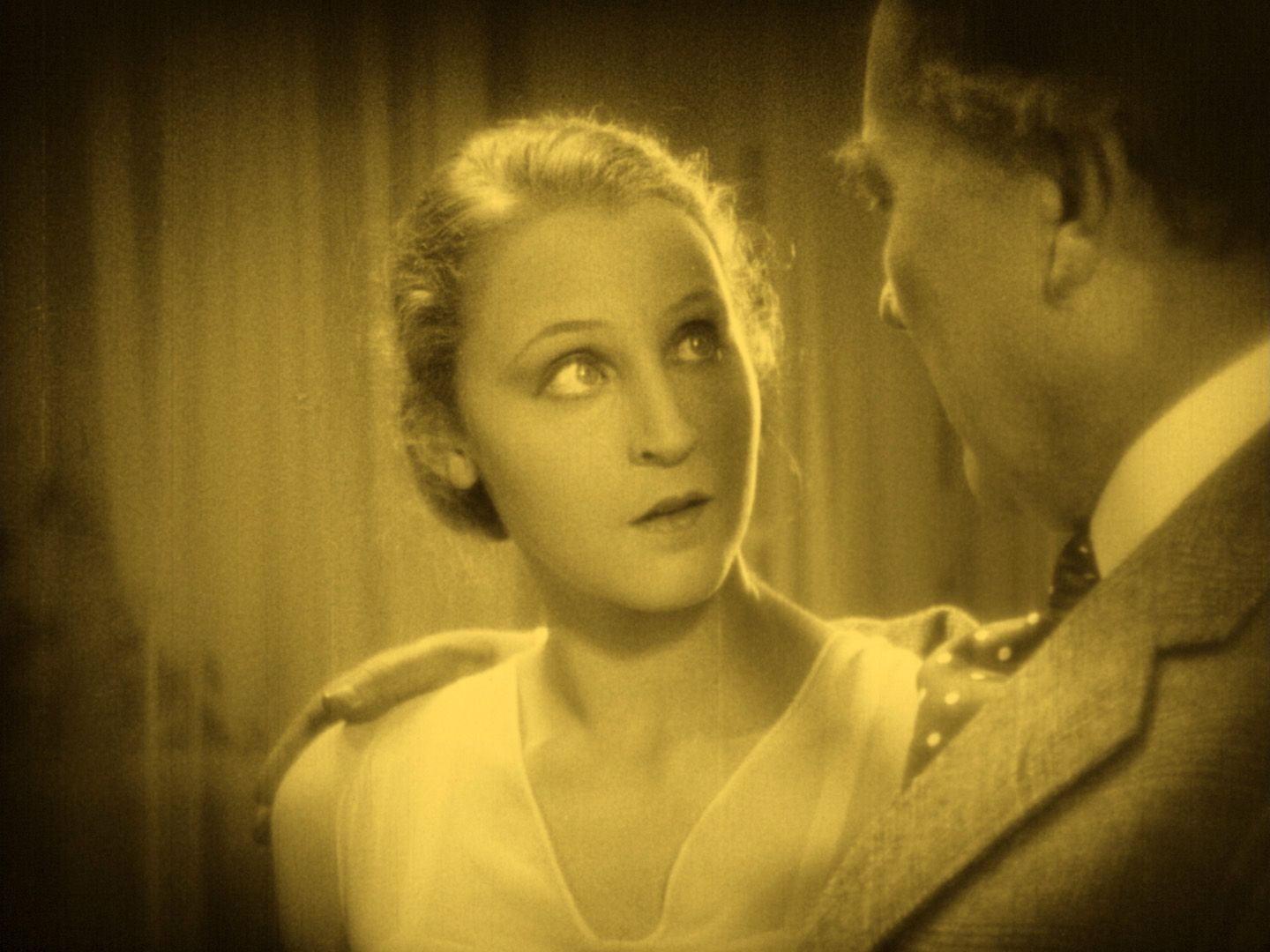
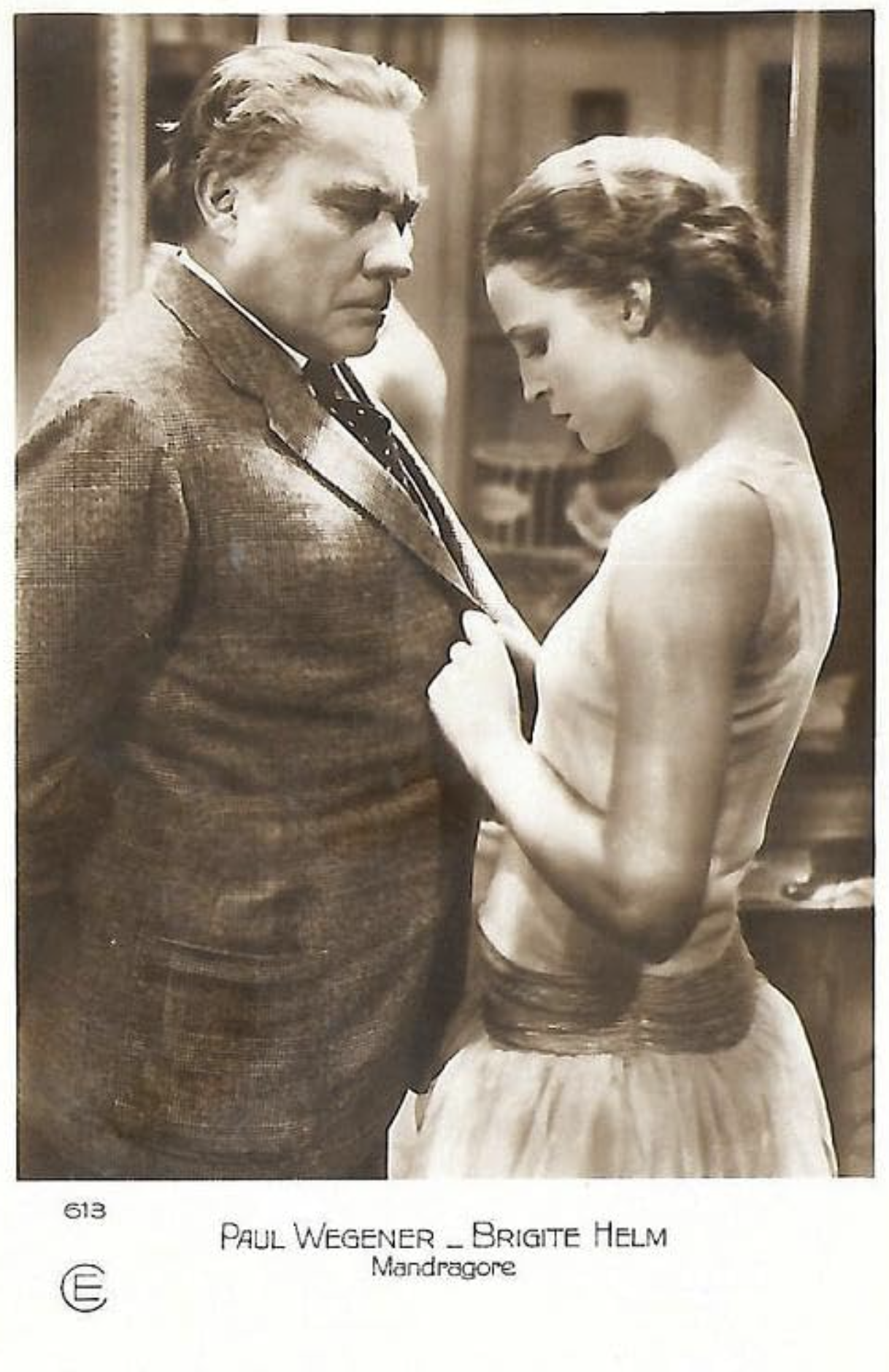
Preservationist Stefan Drossler will receive the 2023 San Francisco Silent Film Festival Award in recognition of his commitment to the preservation and exhibition of silent film, before the 5 p.m. screening of A Daughter of Destiny, (also known as Alraune) whose extremely complicated restoration he supervised at the Film Museum of Munchen, which he has led since 1999. Directed by Henrik Galeen, screenwriter of Murnau’s Nosferatu and screenwriter an co-director of The Golem, A Daughter of Destiny stars icon Brigitte Helm (Metropolis) as the deliberately foul creation of Paul Wegener’s mad scientist. Accompanied by Guenter Buchwald.
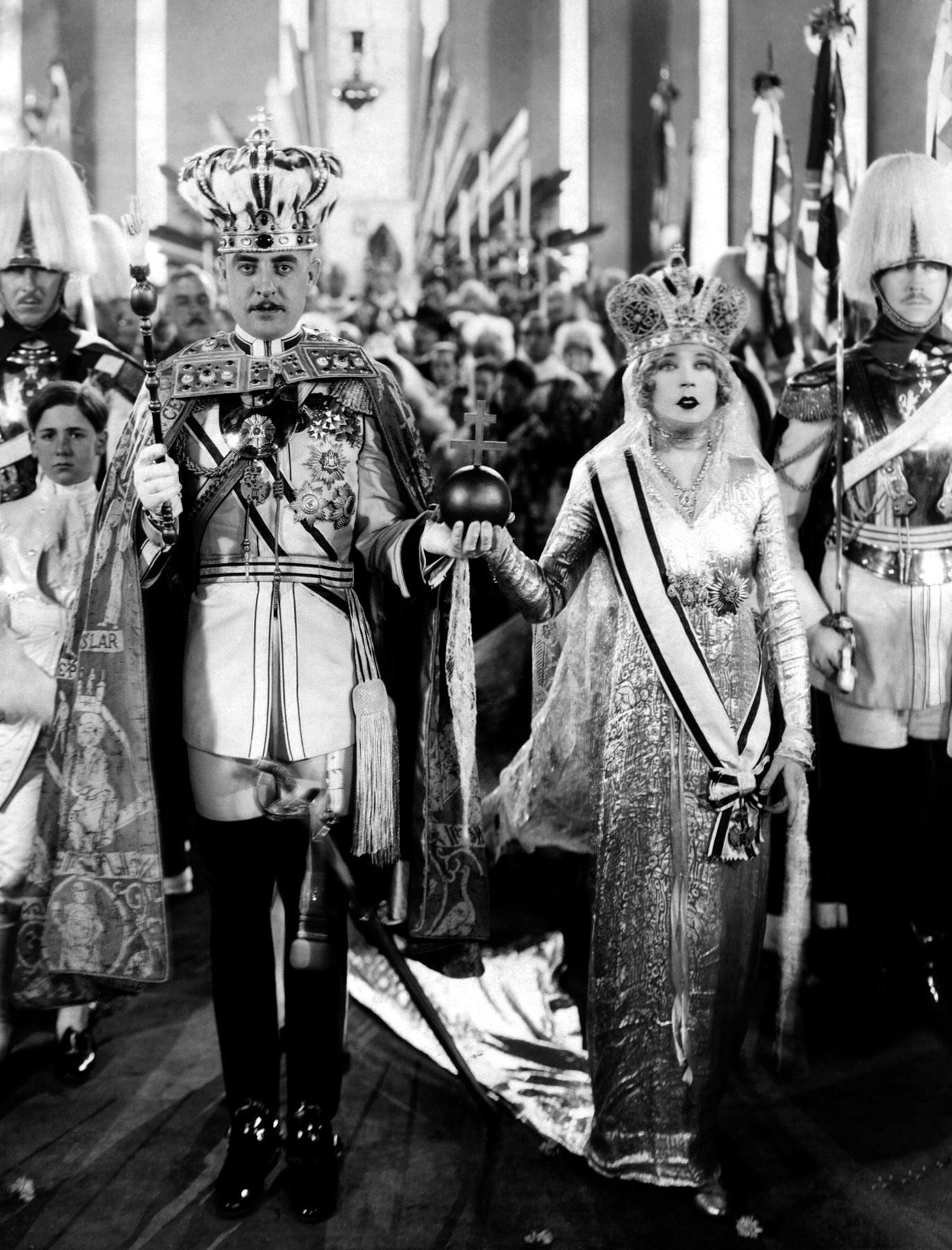
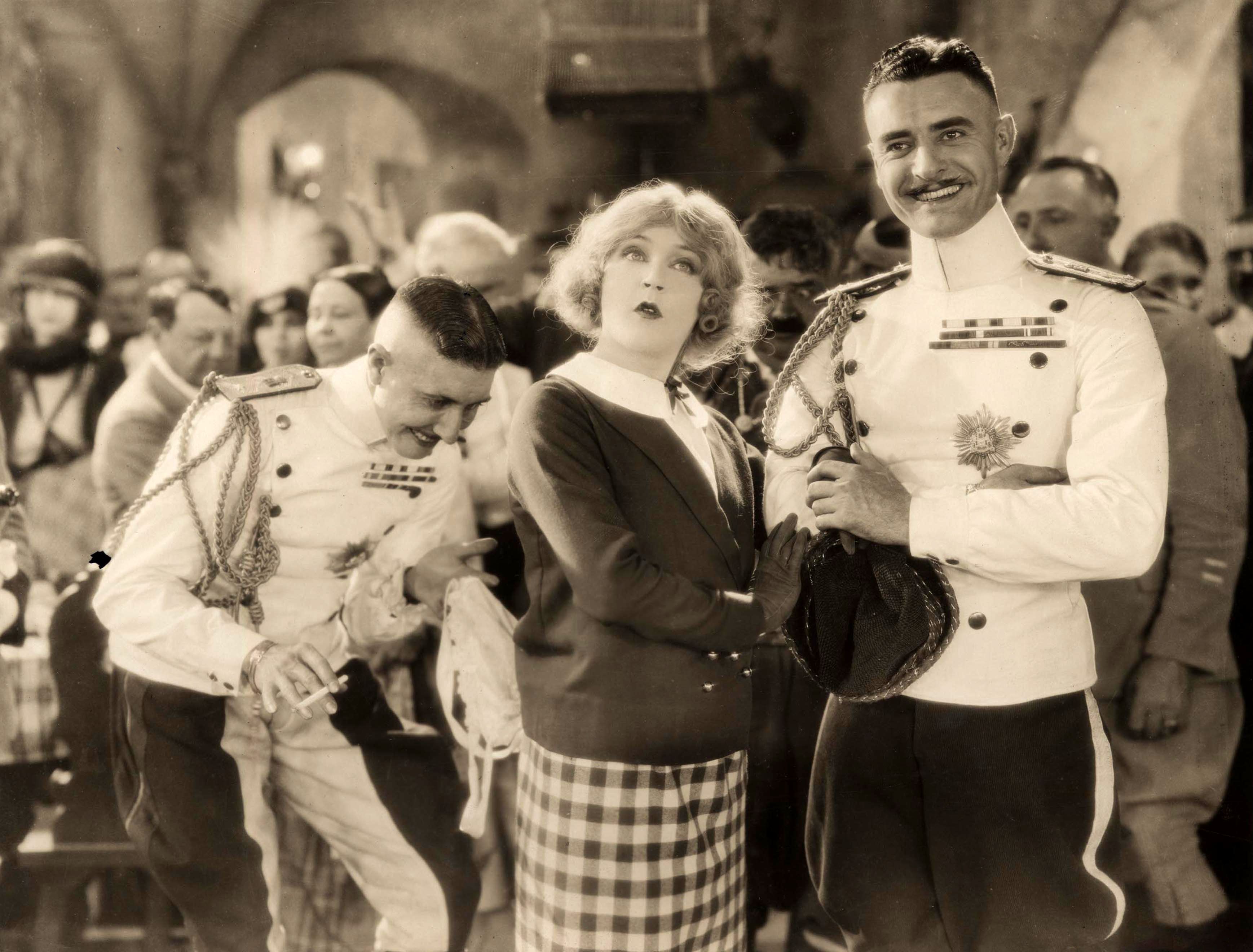
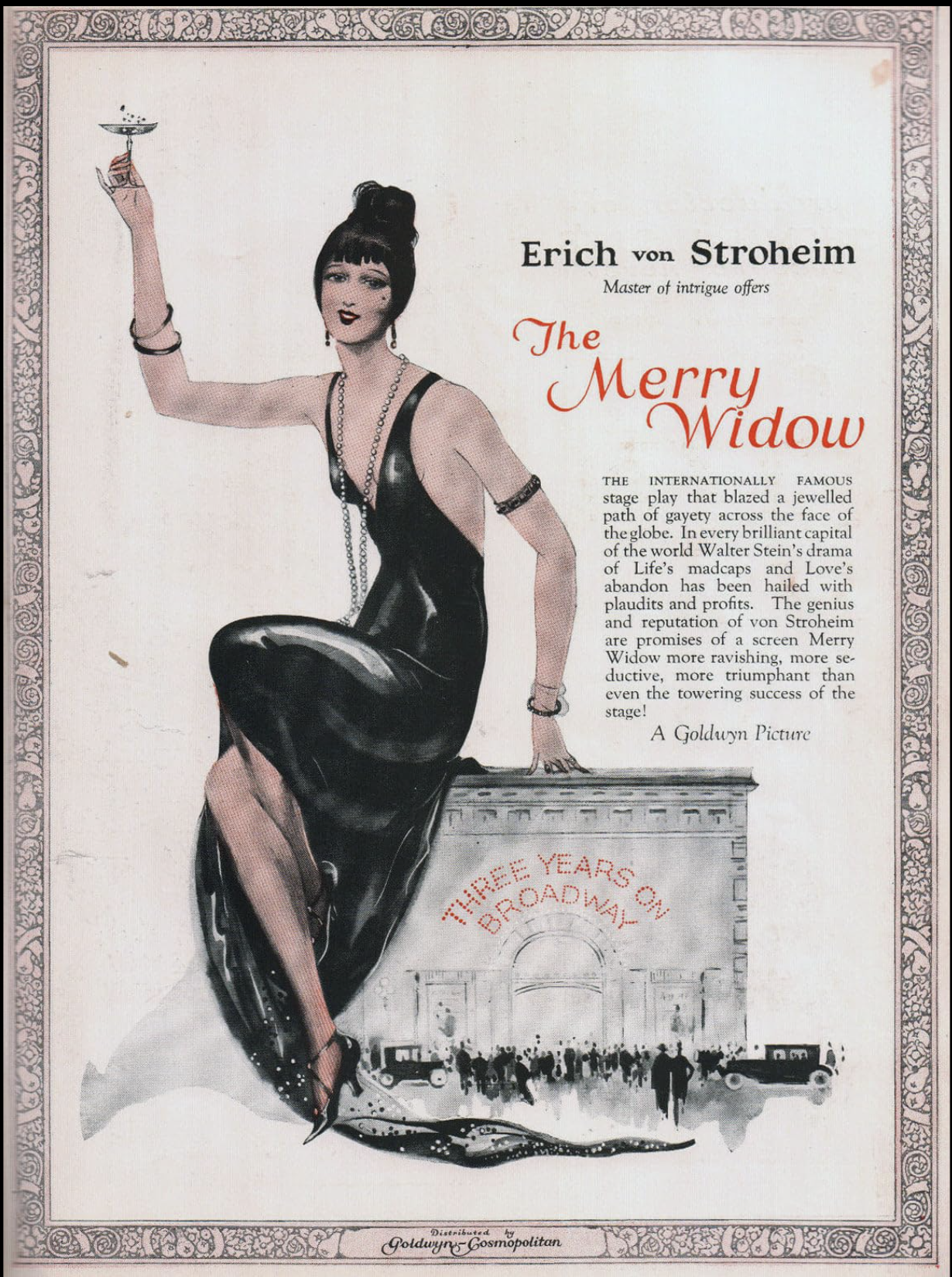
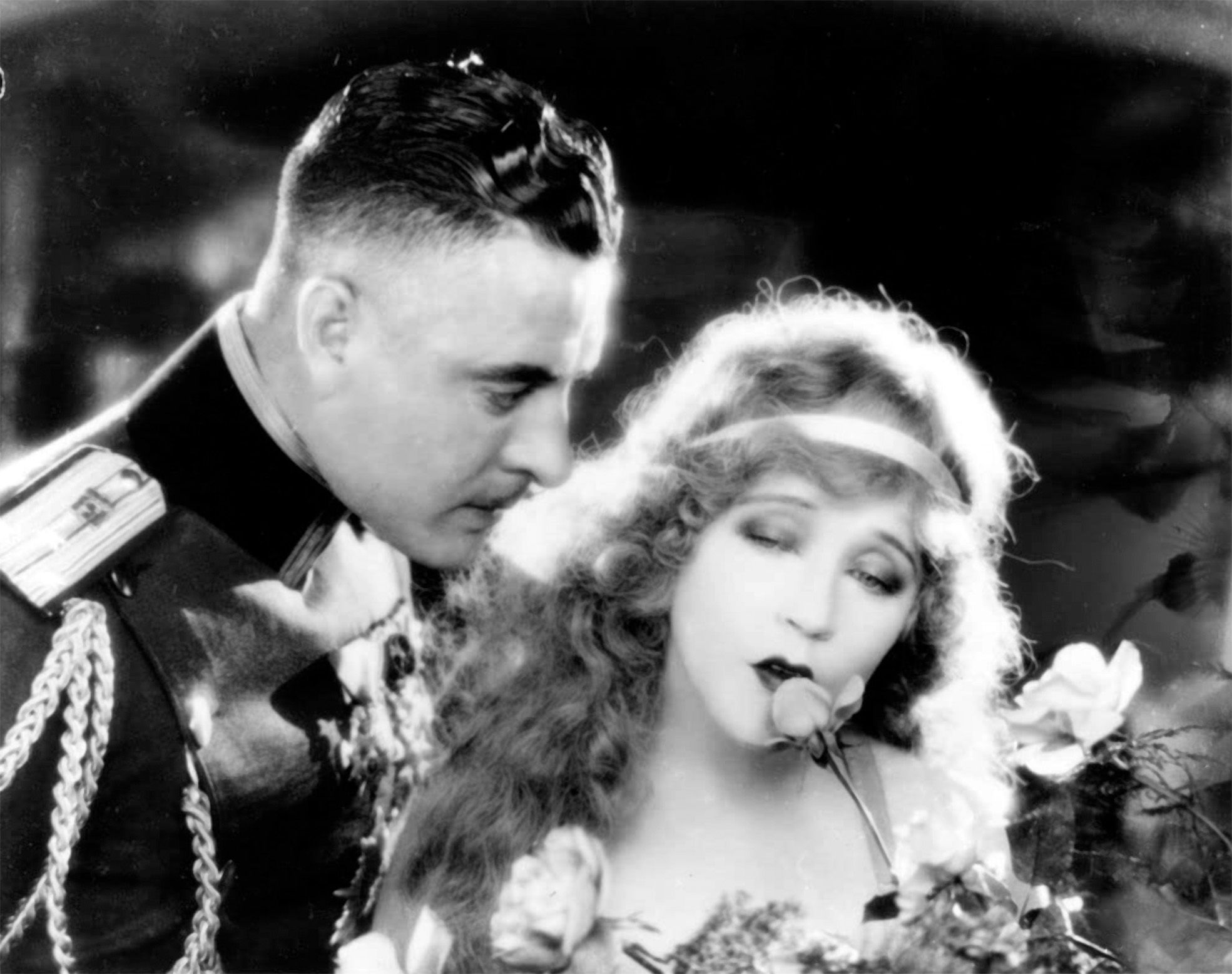
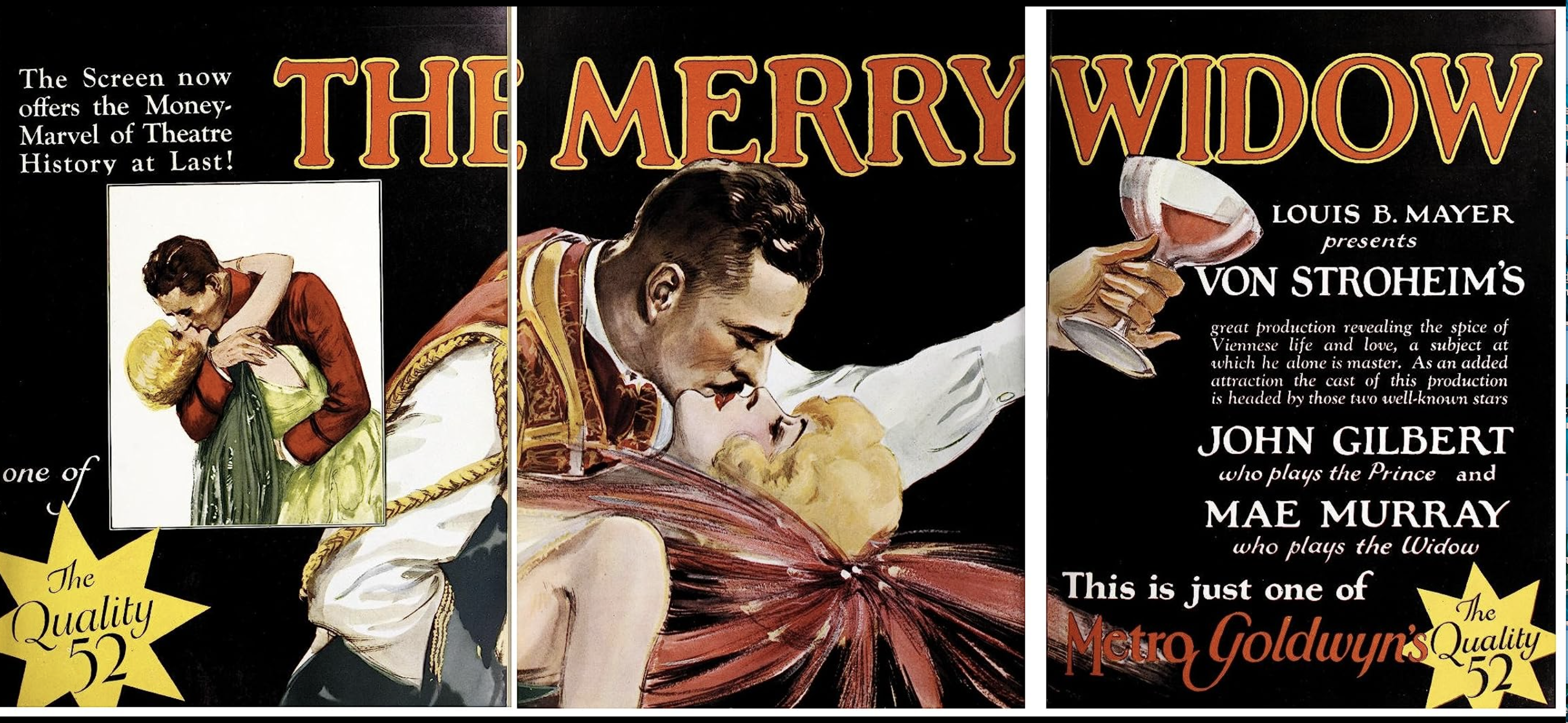
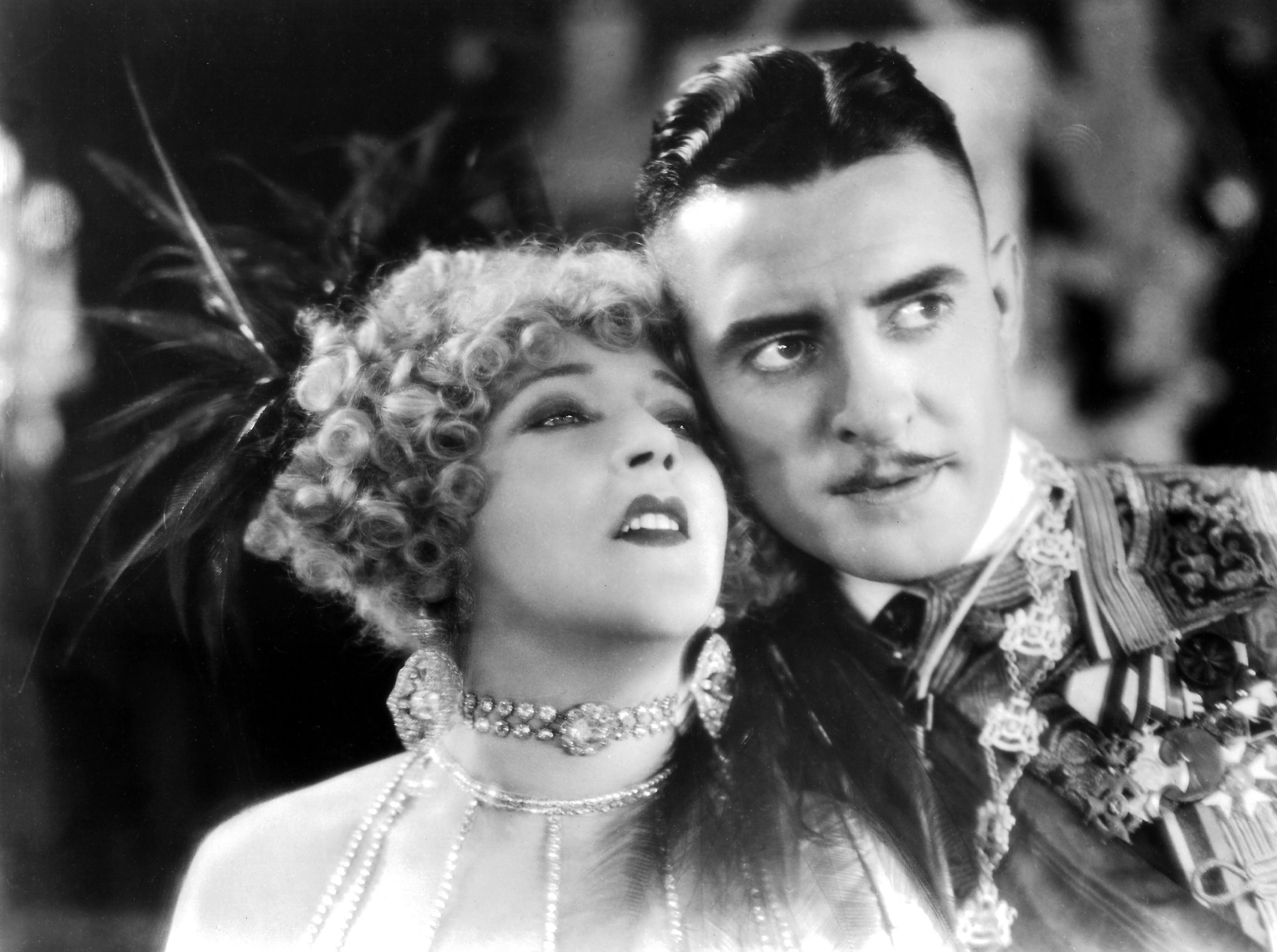
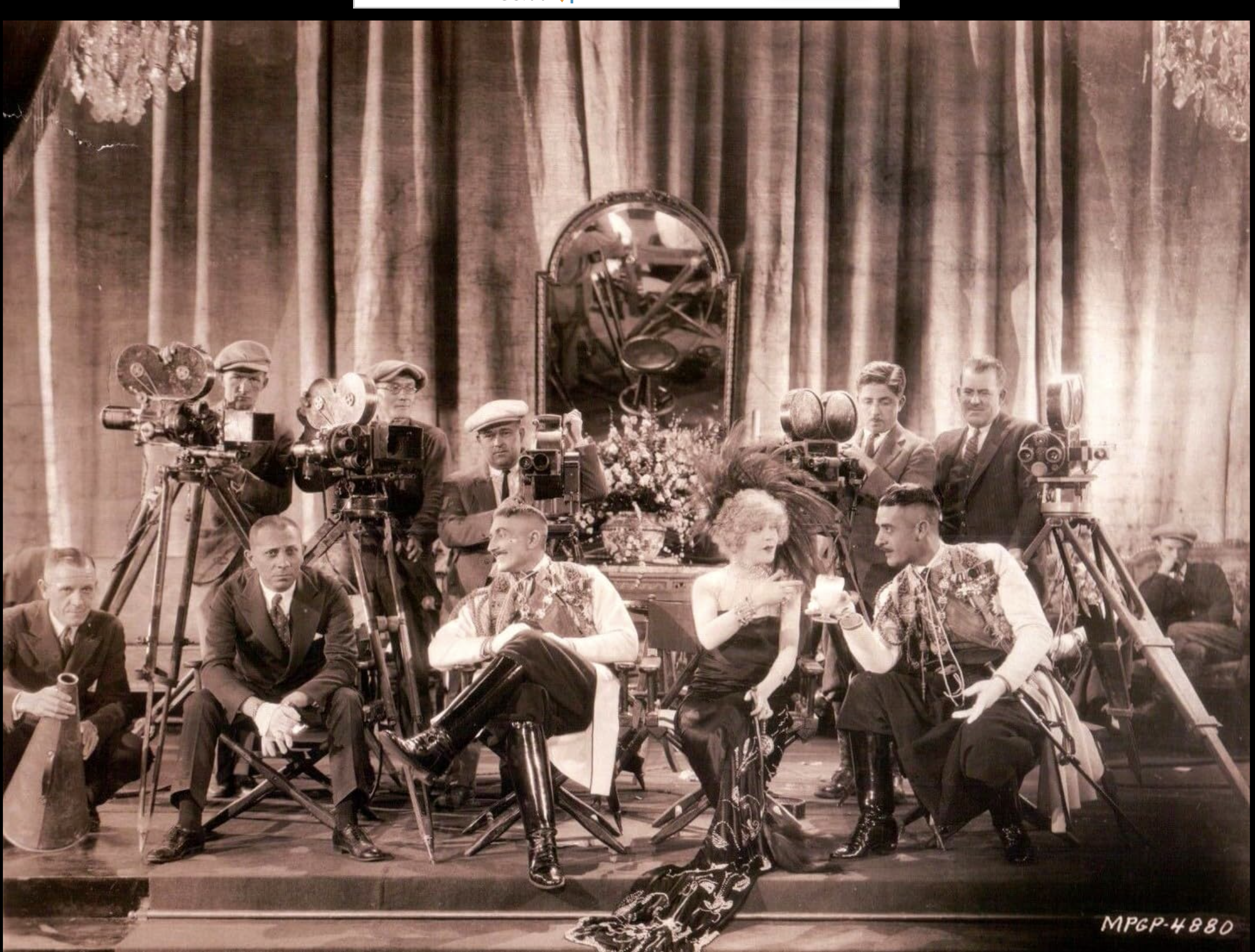
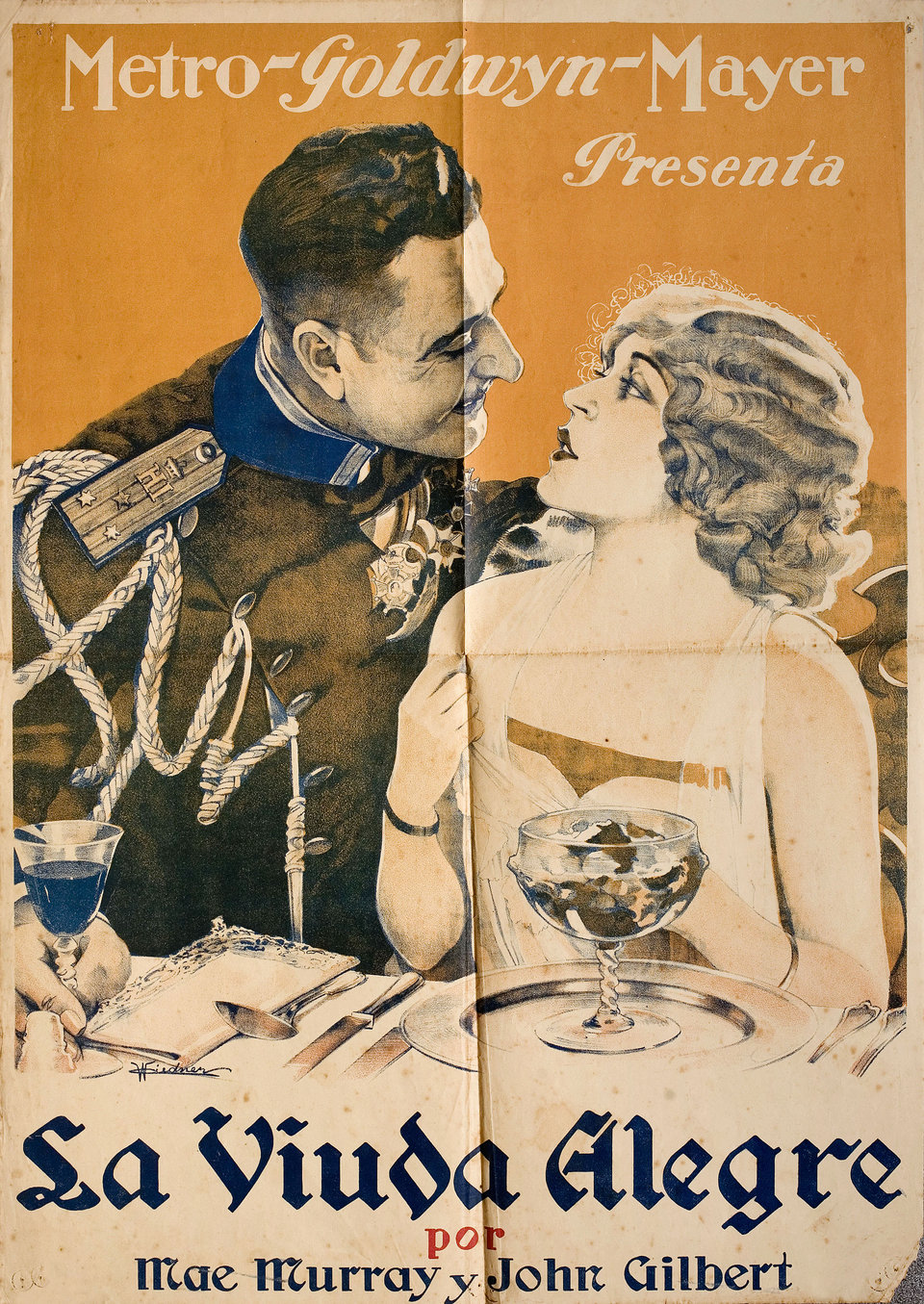
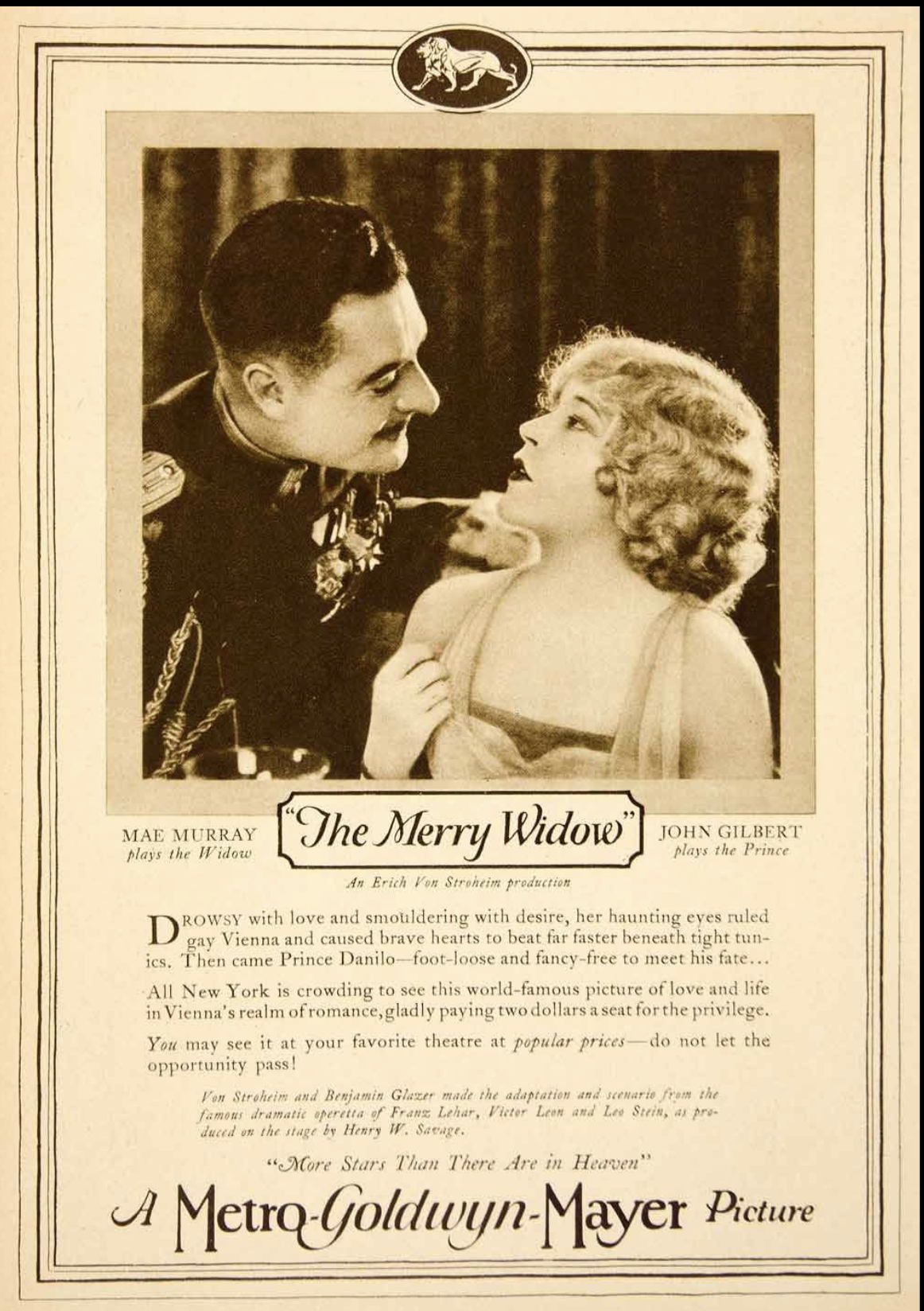
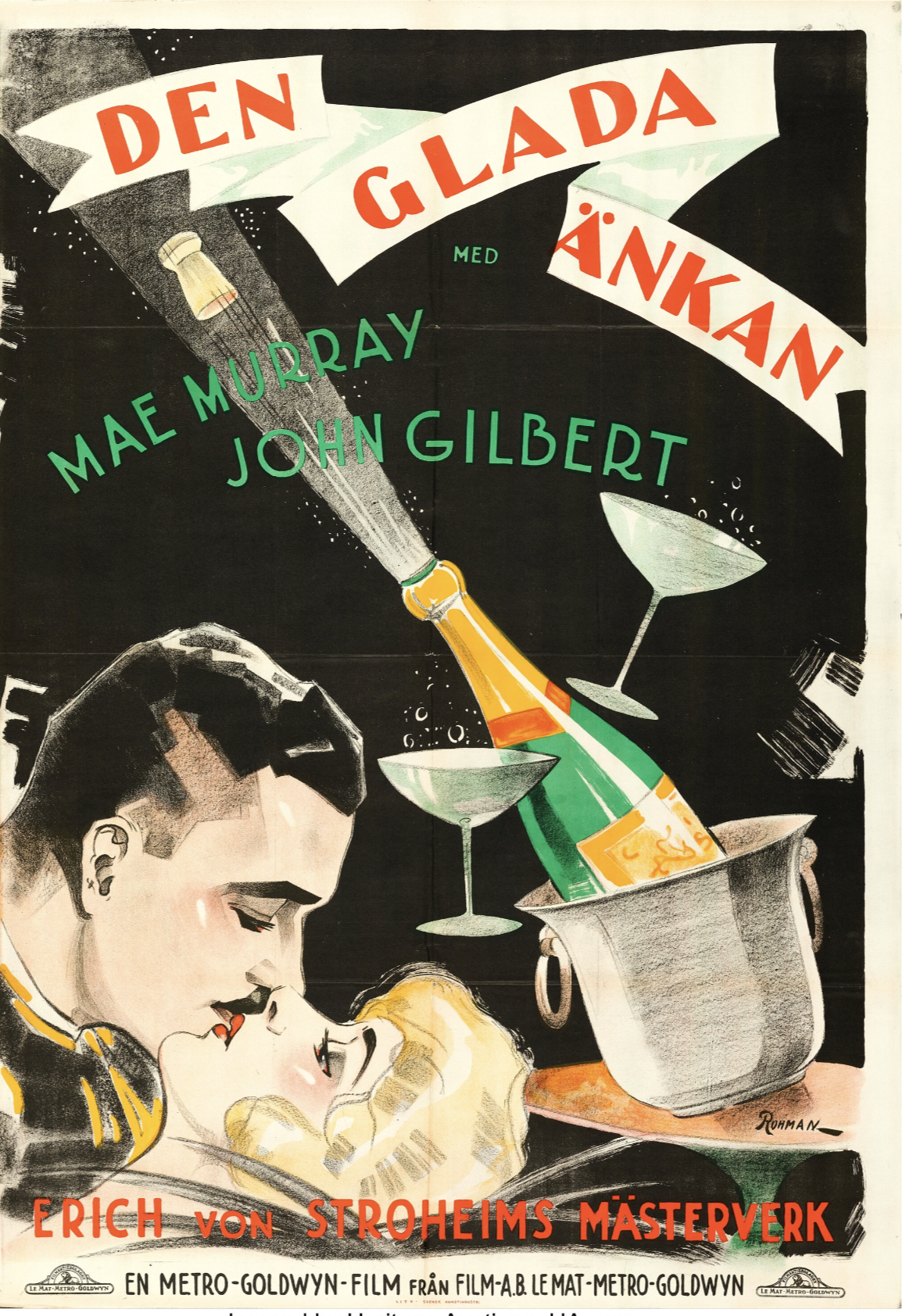
After a day of new-to-me old movies, I won’t be sad to wind down with another viewing of Erich von Stroheim’s The Merry Widow, starring Mae Murray of the beestung lips and narrow gaze, with John Gilbert and Roy D’Arcy as her dueling royal suitors, cousins Prince Danilo and Crown Prince Mirko. As always with von Stroheim, fabulous costumes and sets. Maud Nelissen provides the musical accompaniment.
It has become a tradition that I’ll stagger over to Muni, drunk from the weekend, sad that it’s over, and even sadder that the SFSFF might not again play at the Castro Theater, celebrating its centennial this year. But not to end on a sad note – this year’s edition looks to be one of its best ever.
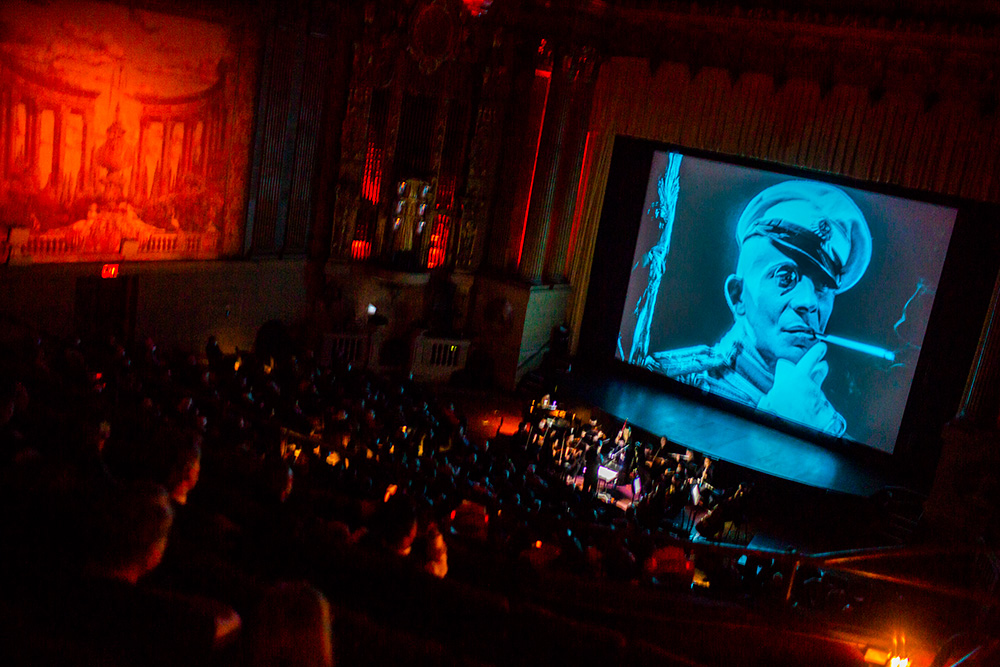
Foolish Wives at the San Francisco Silent Film Festival 2022. Photo by Pamela Gentile
Read Part One covering Wednesday through Friday here.
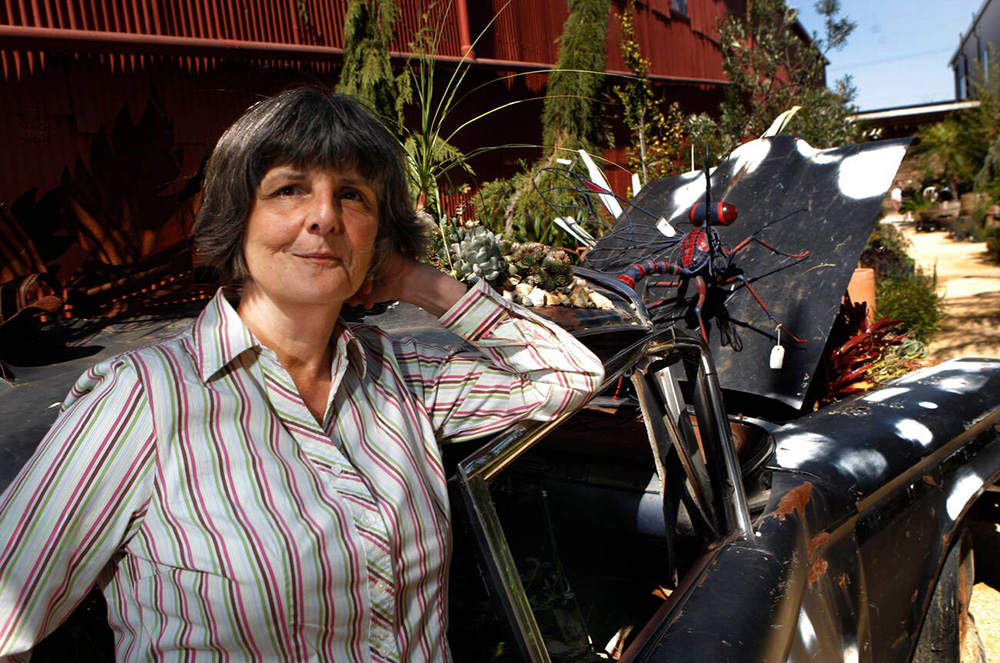
Anita Monga
“ ‘The analog means a little bit more to us’: Anita Monga on the San Francisco Silent Film Festival and Bay Area film culture” —interview by Amanda Salazar on Screen Slate, the essential New York daily film blog, expanding to the San Francisco Bay Area.
 Bonus Gallery of photos, posters, video clips and more for the films covered above (Curated by Gary Meyer)
Join the Sons of the Desert – International Laurel & Hardy Society
https://www.youtube.com/watch?v=NnejWsB9OEY
Read Stan Laurel and Oliver Hardy — The Seriousness of Being Funny in Four Languages by Homer Croy in The New Movie Magazine, April, 1930
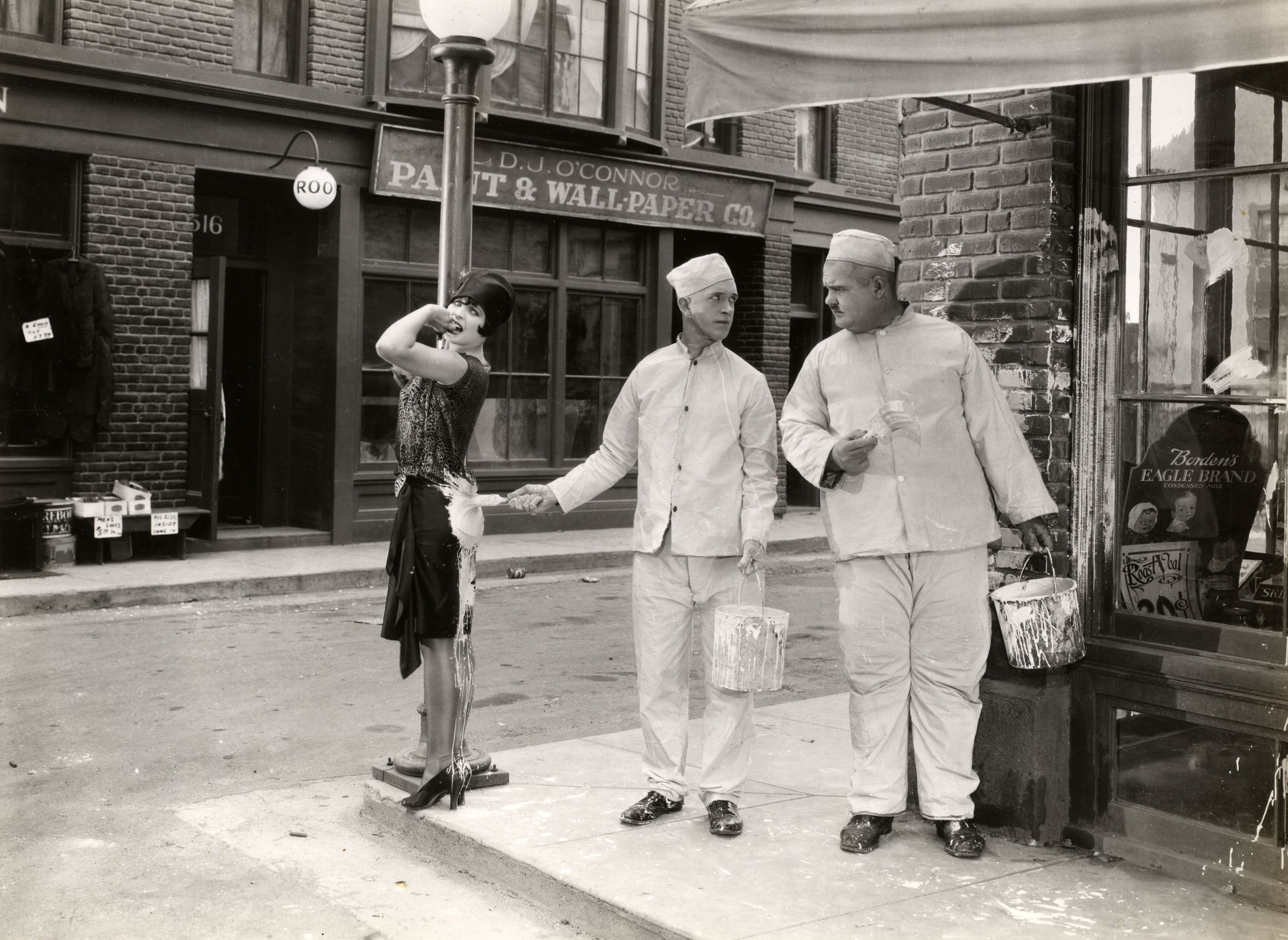

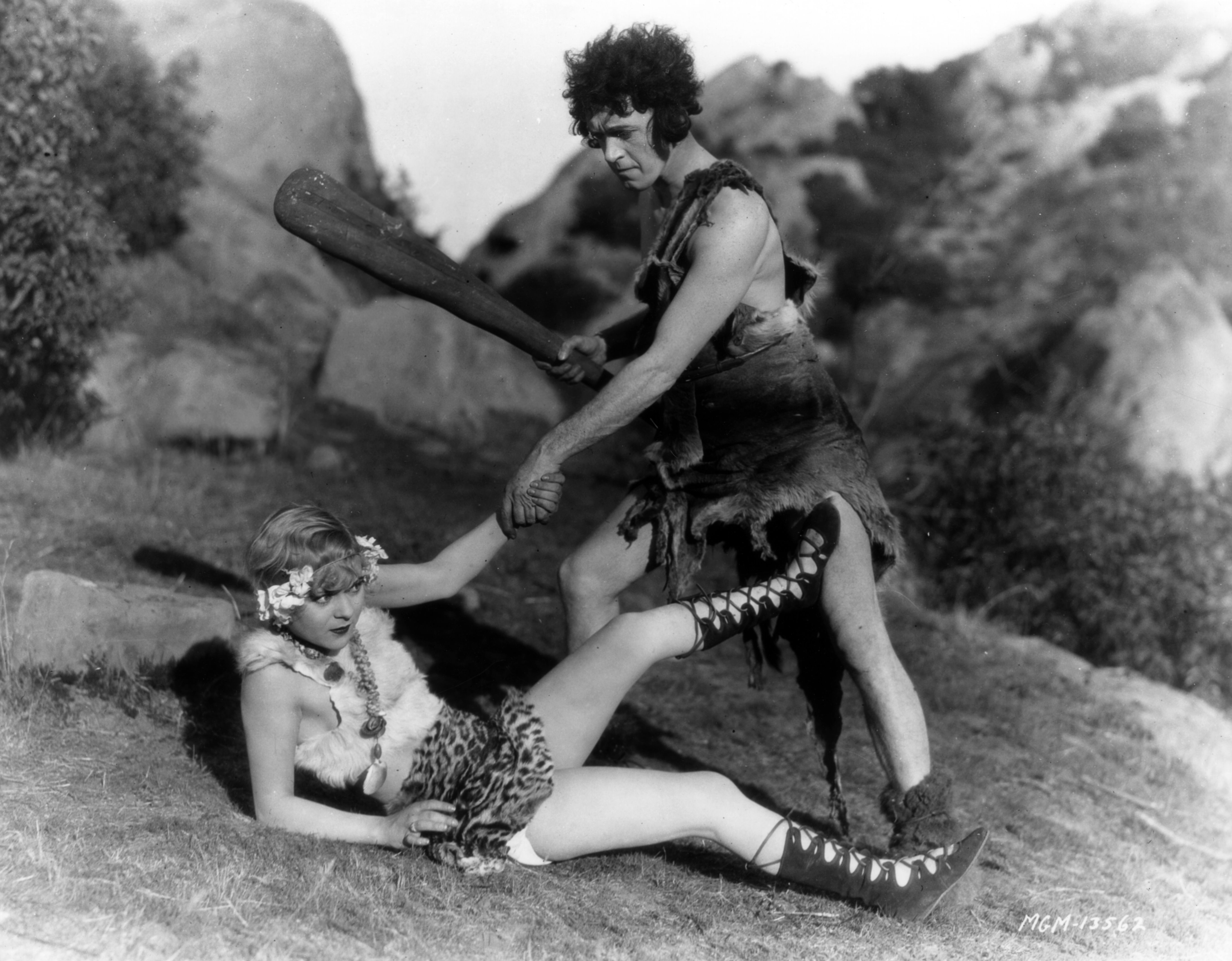

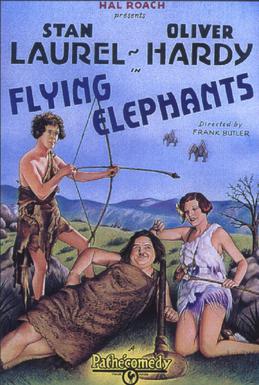
The Laurel & Hardy Magazine comes from England packed with rare facts and photos.
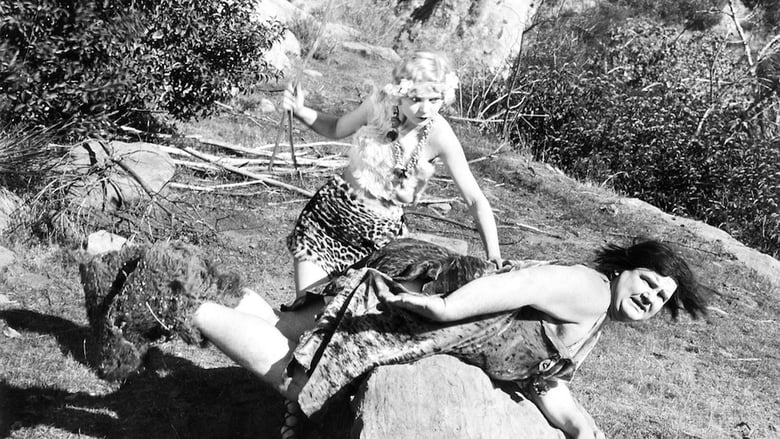
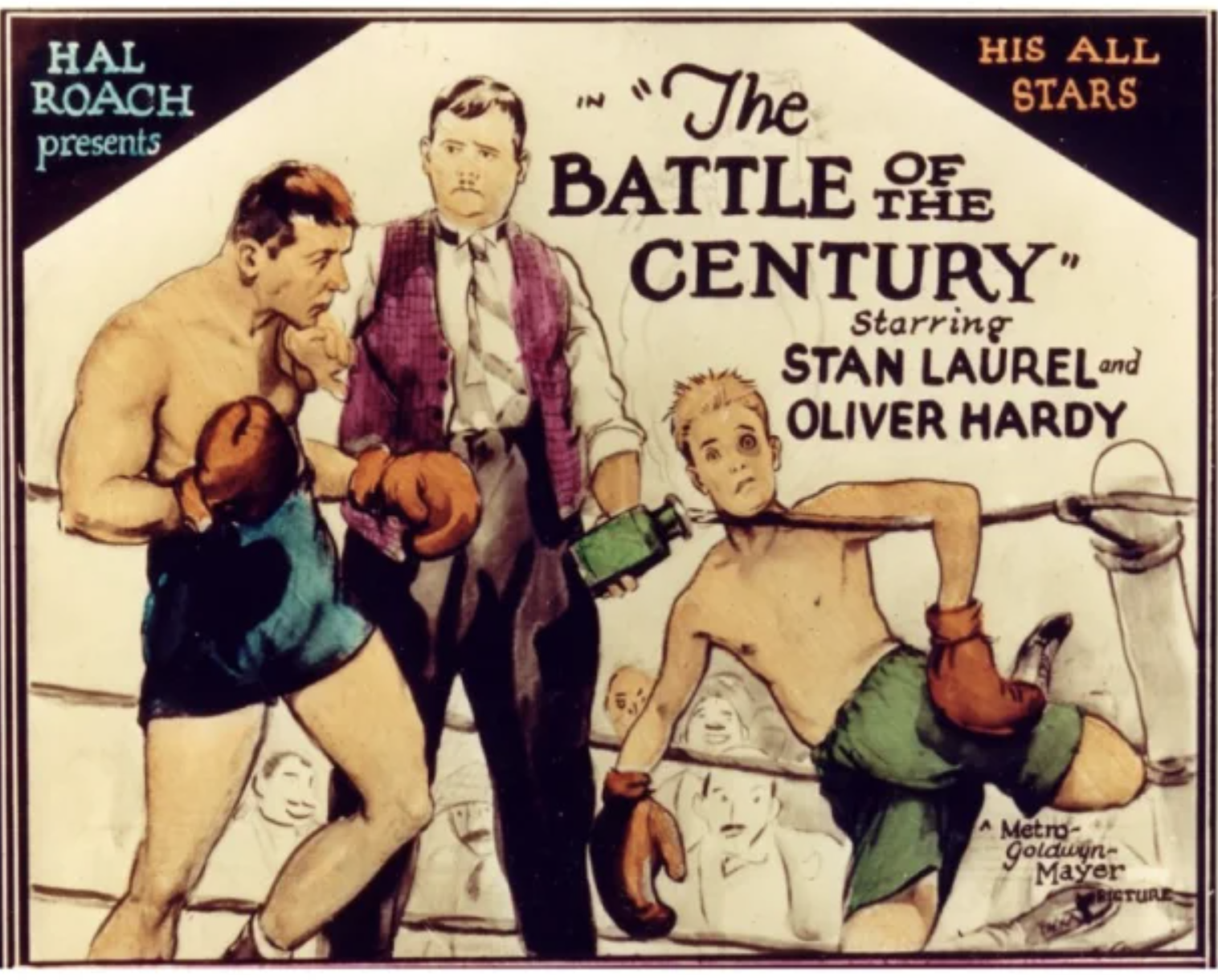
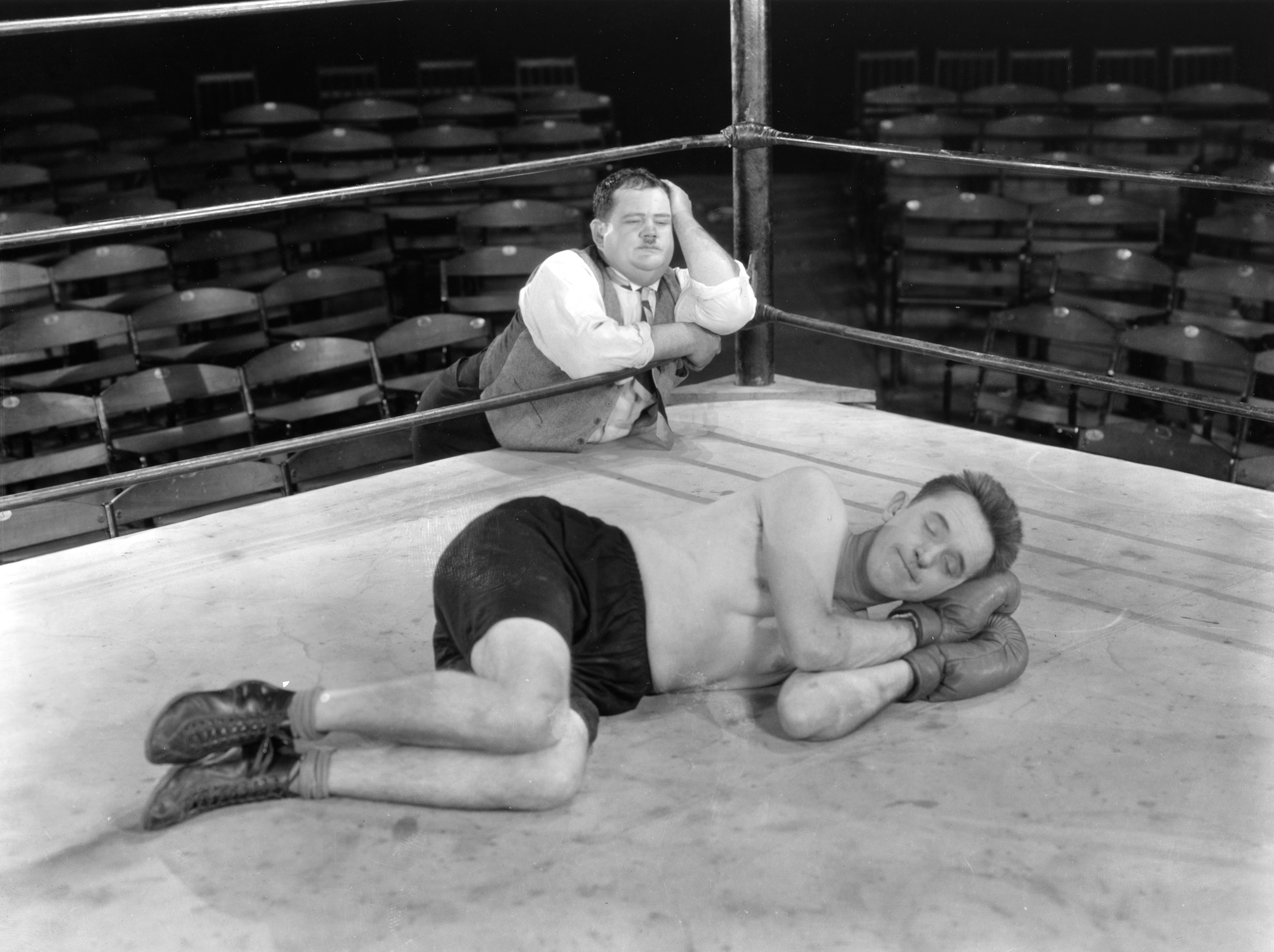
The lost film of Laurel and Hardy found. Read about it’s 2015 discovery.
Jon Mirsalis on finding the lost film.
A Midsummer Night’s Dream
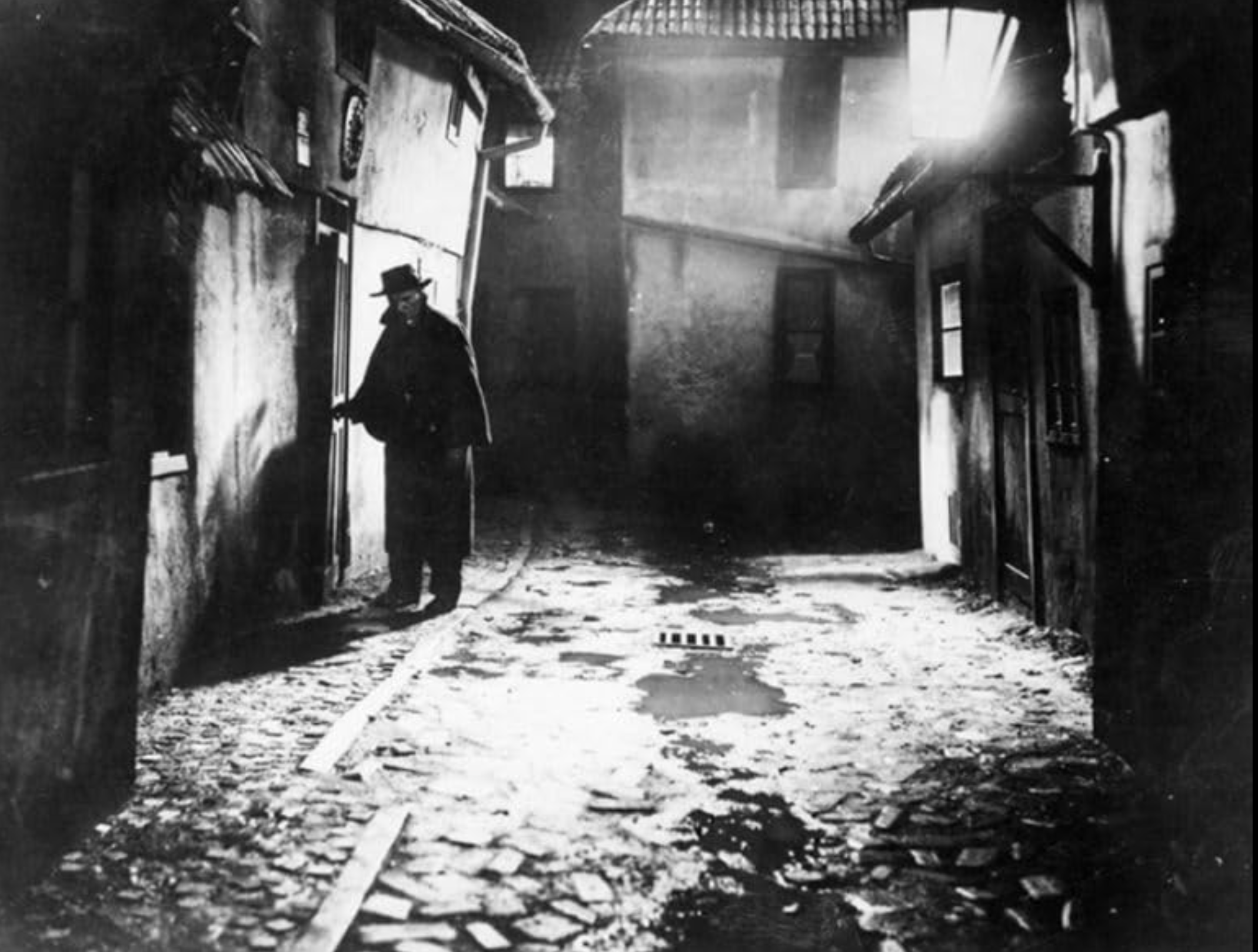
The Organist at St. Vitus Cathedral
Pigs Will Be Pigs


Walk Cheerfully
“The Signature Style of Yasujiro Ozu” introduces The Depth of Simplicity
A Criterion appreciation by Jamie S. Rich
Read about the Hollywood influences on Walk Cheerfully.
Throughout his filmmaking you will find posters for American movies on the walls. Janet Gaynor on a large The Seventh Heaven (1927) poster is one of several references to the Borzage film in Ozu’s Days of Youth. Dragnet Girl (1933) has All Quiet on the Western Front (1930). For his early films Ozu was influenced Ernst Lubitshch, Charles Chaplin and Harold Lloyd whose Speedy (1928) poster is in I Graduated, But…
Walk Cheerfully (1928) features two posters —a one sheet for Our Dancing Daughters (1928) with Joan Crawford appears in an office, while prominently displayed in Kenji’s boxing obsessed apartment/gym is a tough Clara Bow posing with sparring gloves from Rough House Rosie (1927).
For more film references in Ozu films check out Film in Films.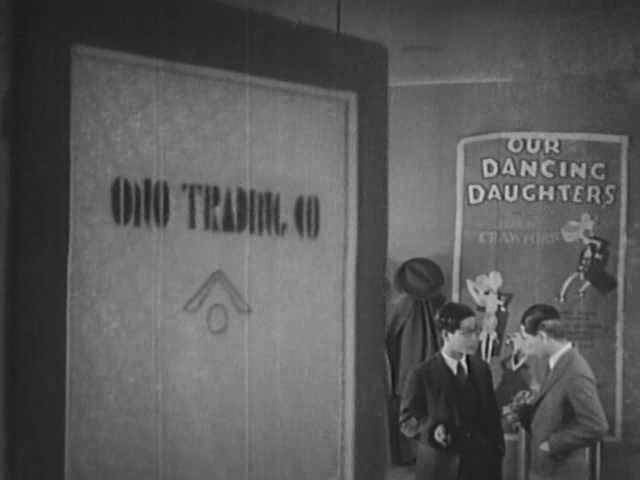
Ozu-San is the most thorough Ozu website.
Read about the eight Horton shorts restored by Ben Model.
 John Bengston’s Silent Locations takes us on a tour of where some of these films were made.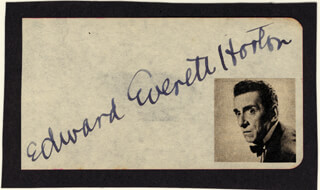




Voglio a Tte!
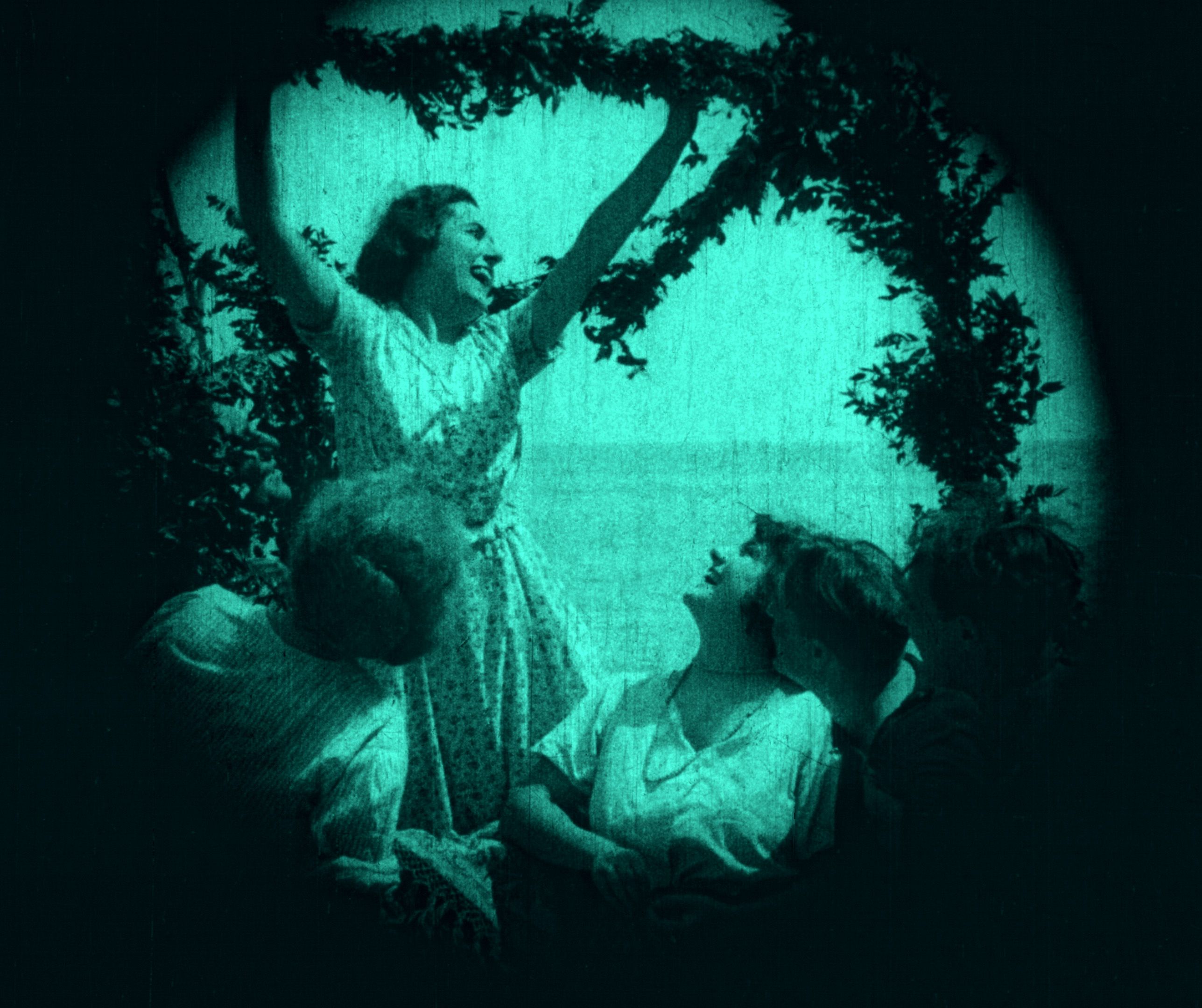
Learn about actress Francesa Bertini’s fascinating career.
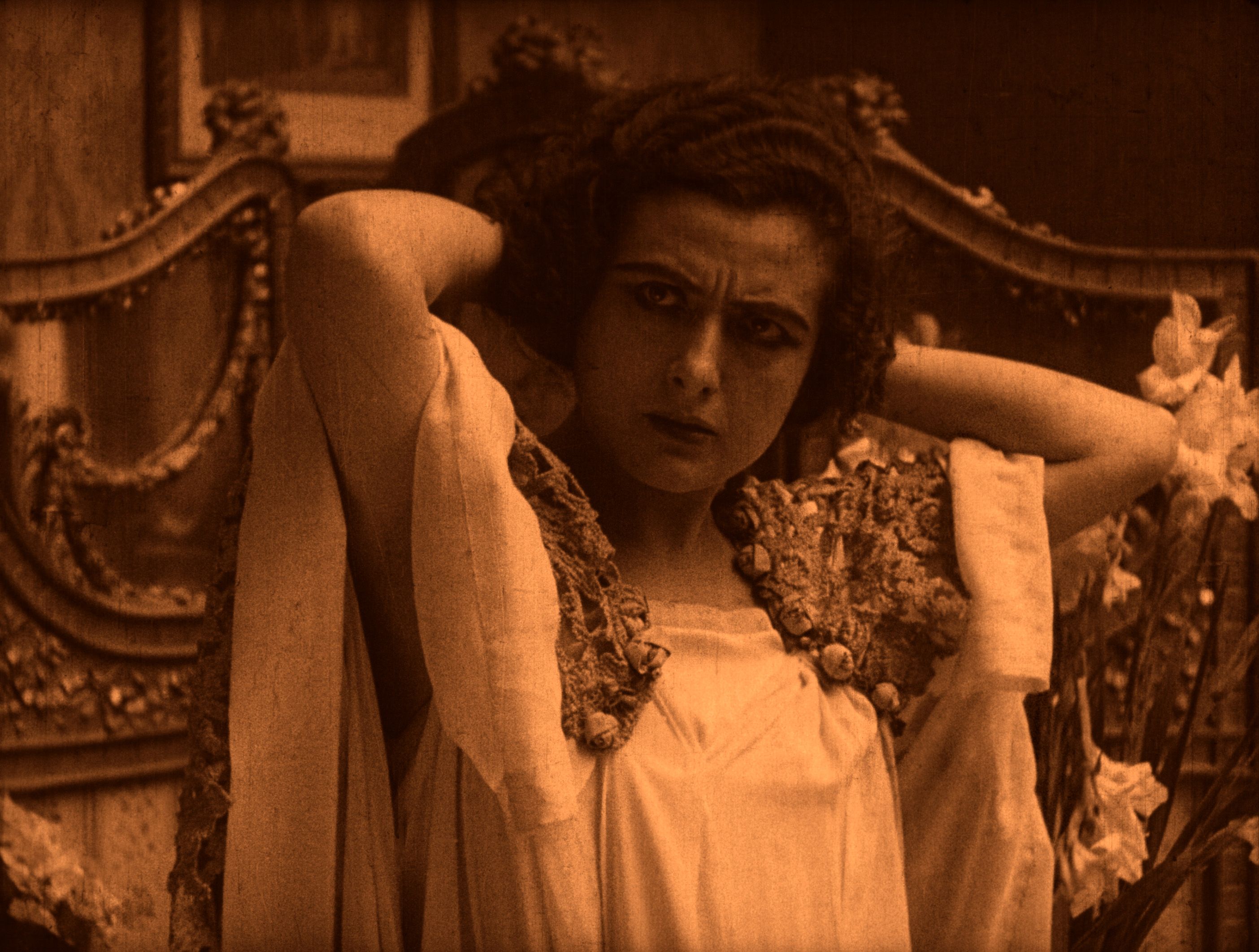

A Daughter of Destiny (aka Alraune, aka Mandrake, aka The Daughter of Evil)
Read a brief history of Alraune.
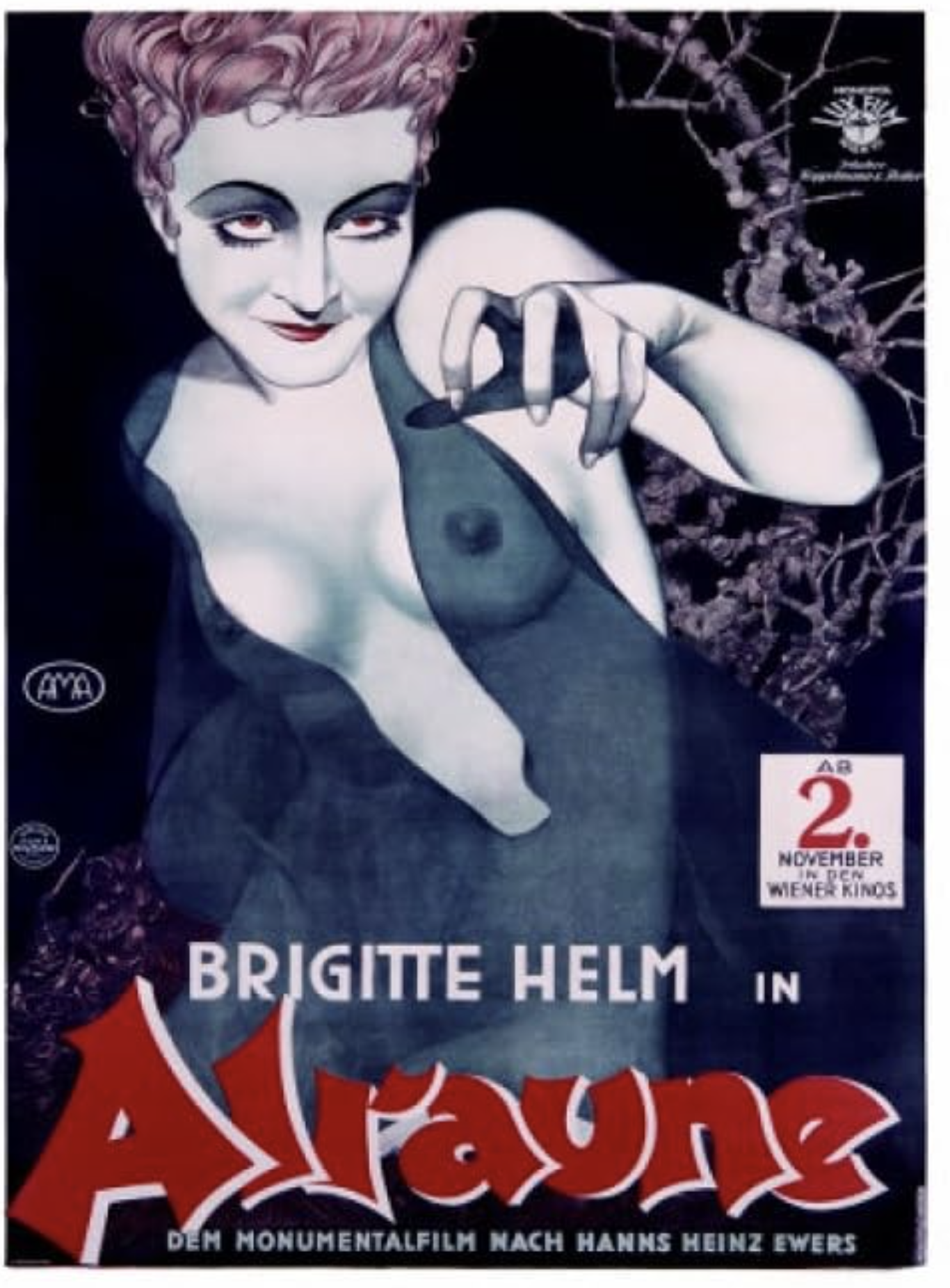

Ironically author Hanns Heinz Ewers followed his novel Alraune with Vampyr but it is a different story.

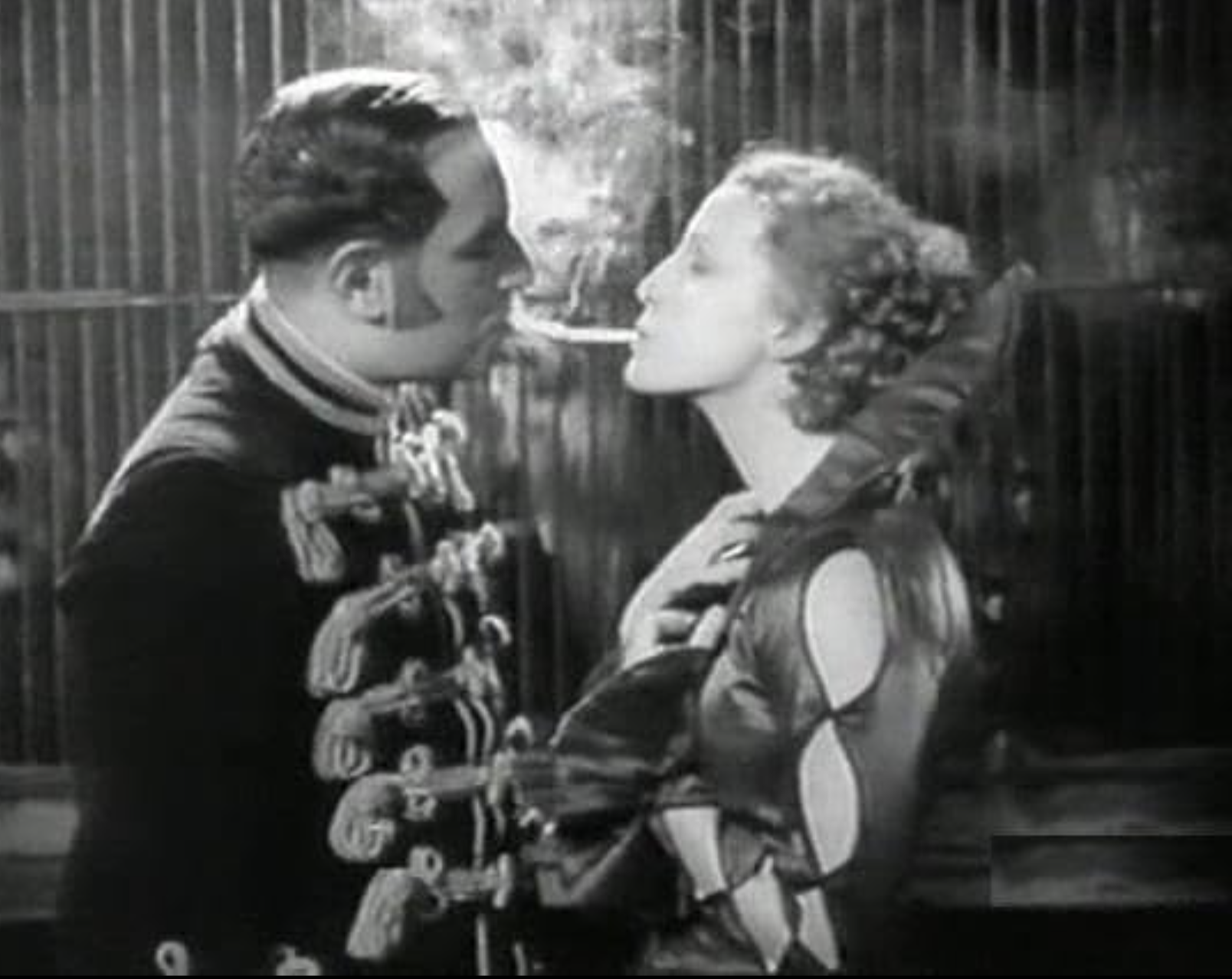

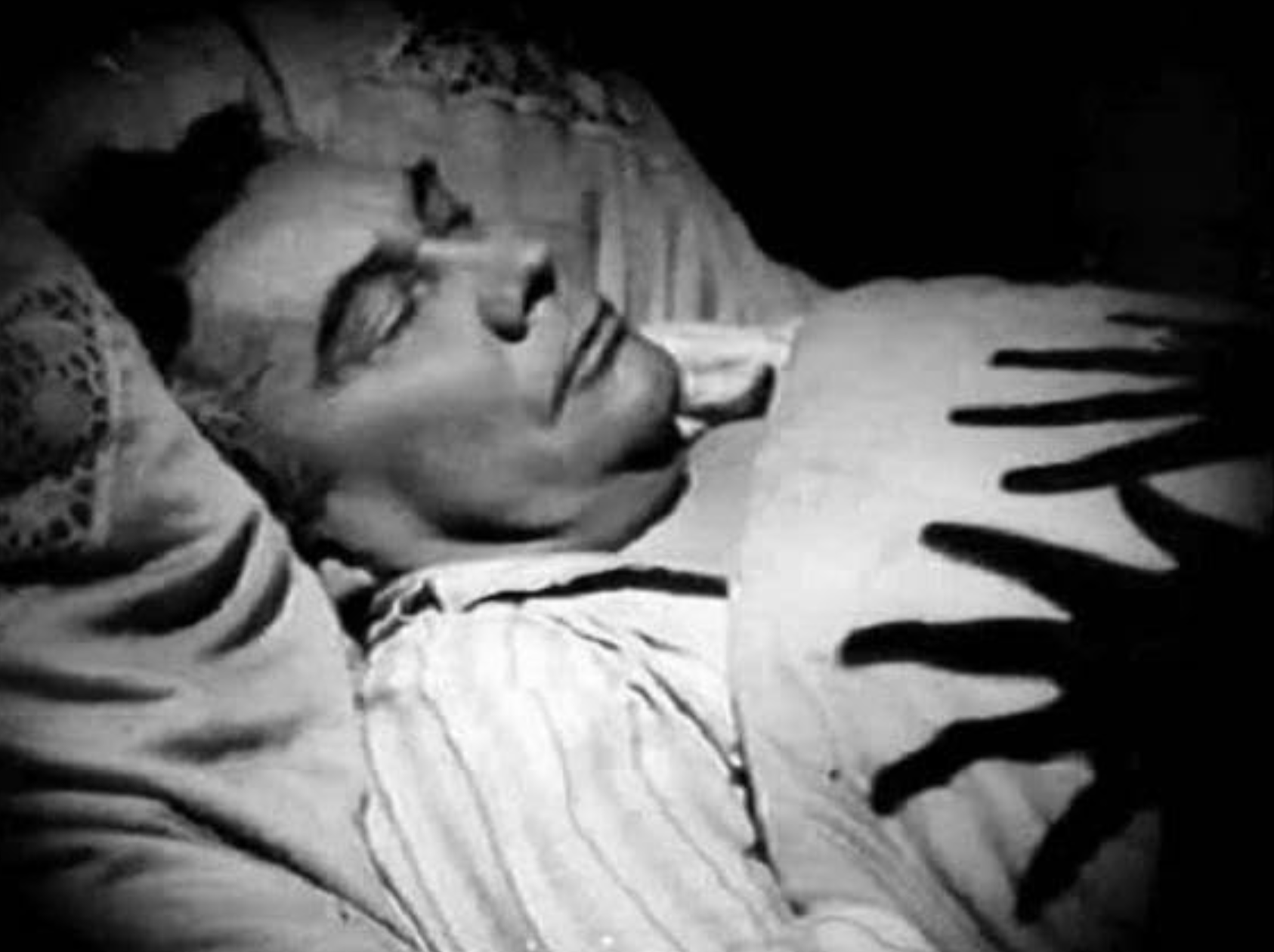
The humanoid-shaped mandrake root used to create Mandrake/Alraune.
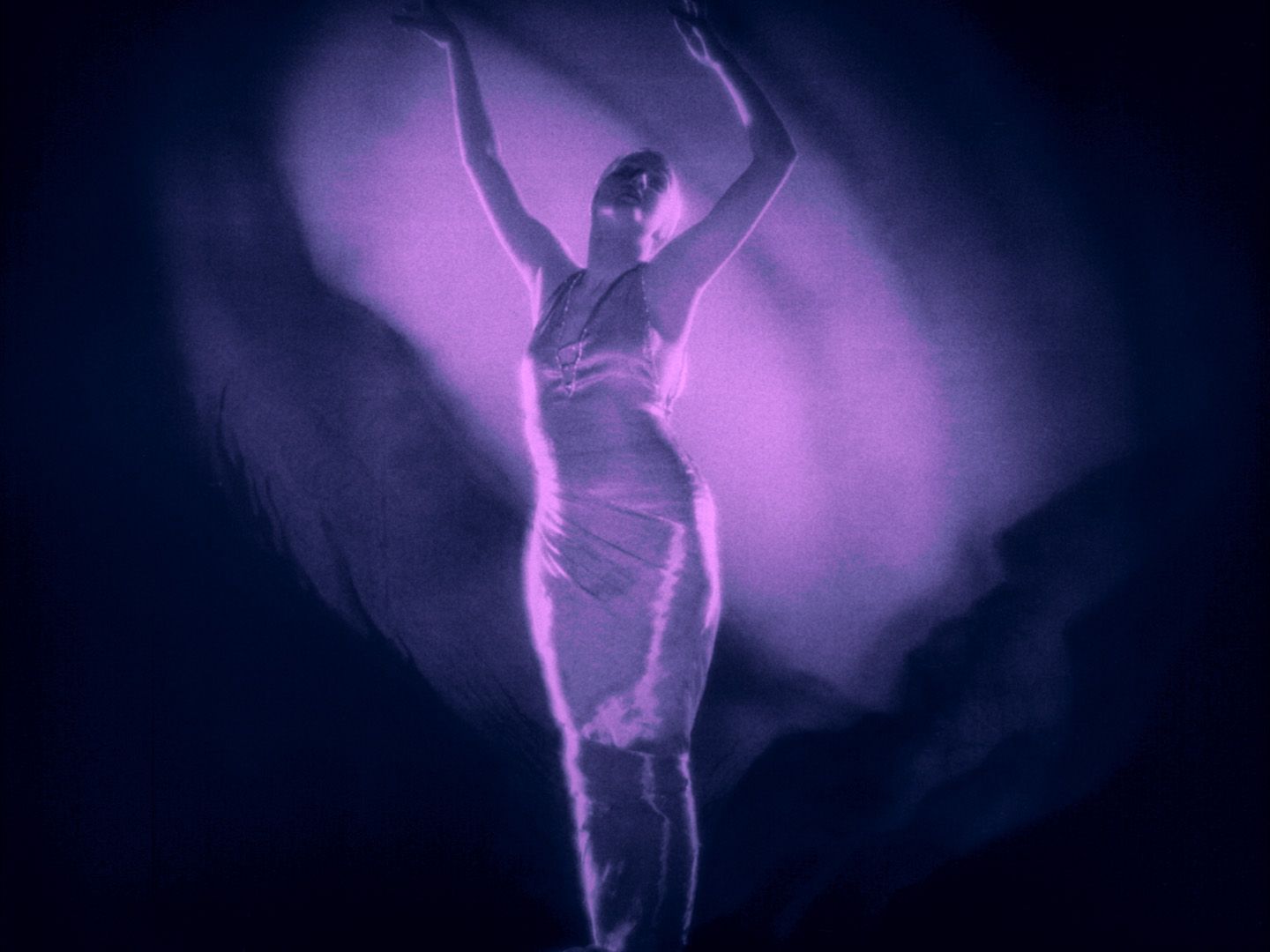
And the result
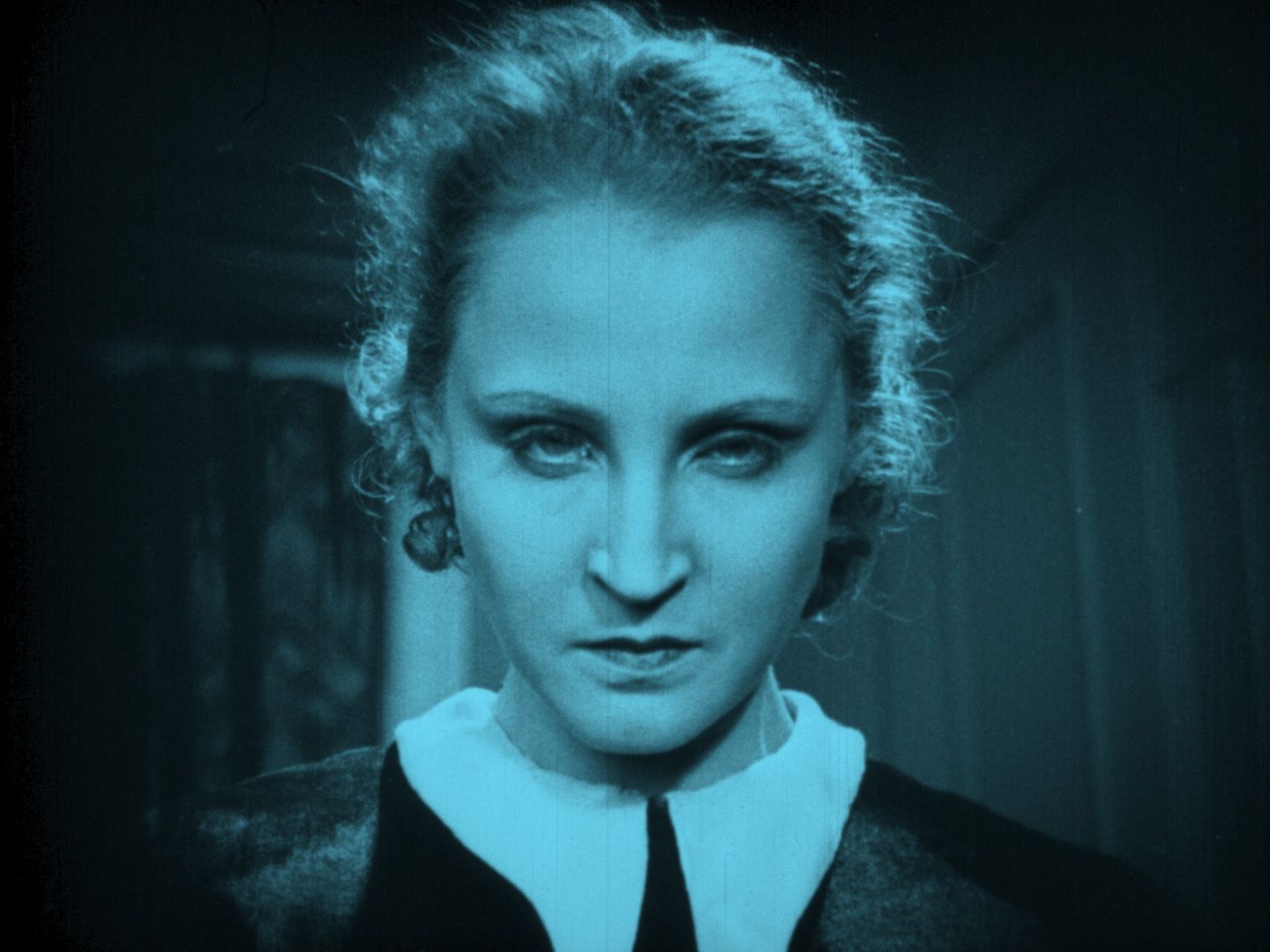
A fantastic collection of photos of Brigitte Helm
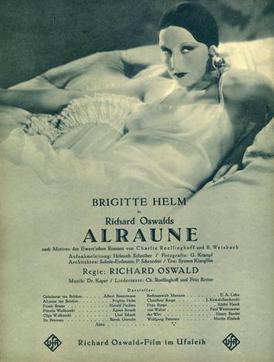
A 1930 German remake also starring Brigitte Helm, playing both Alraune and her drunken mother Alma; and drected by Richard Oswald.
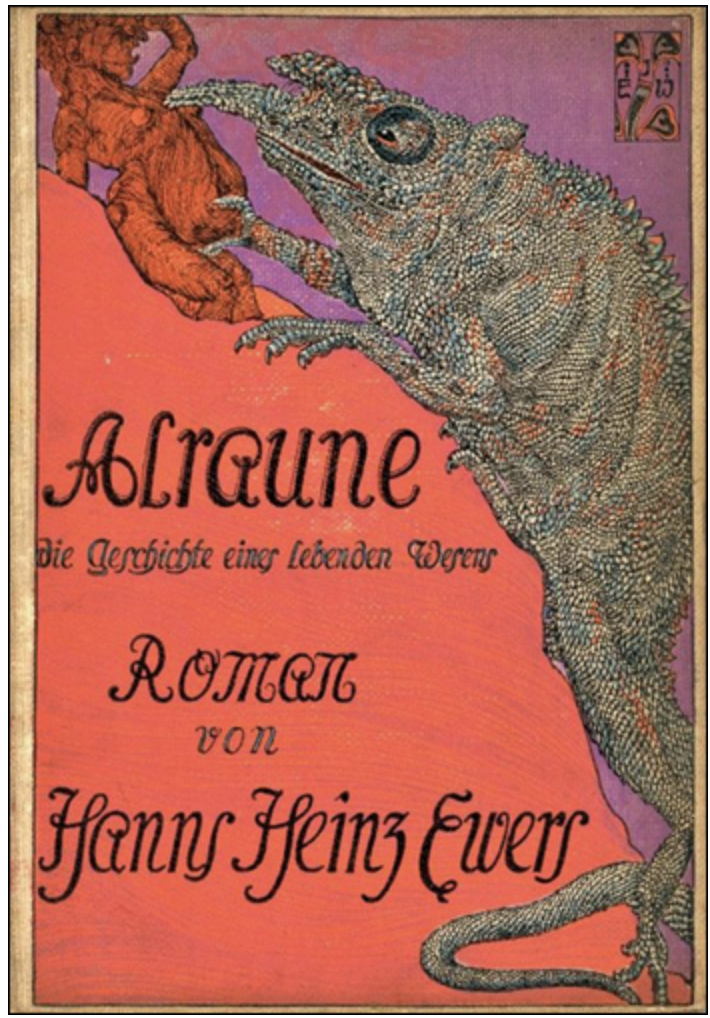
First edition of the book (1911), part of a trilogy. It sold 300,000 copies in Germany.
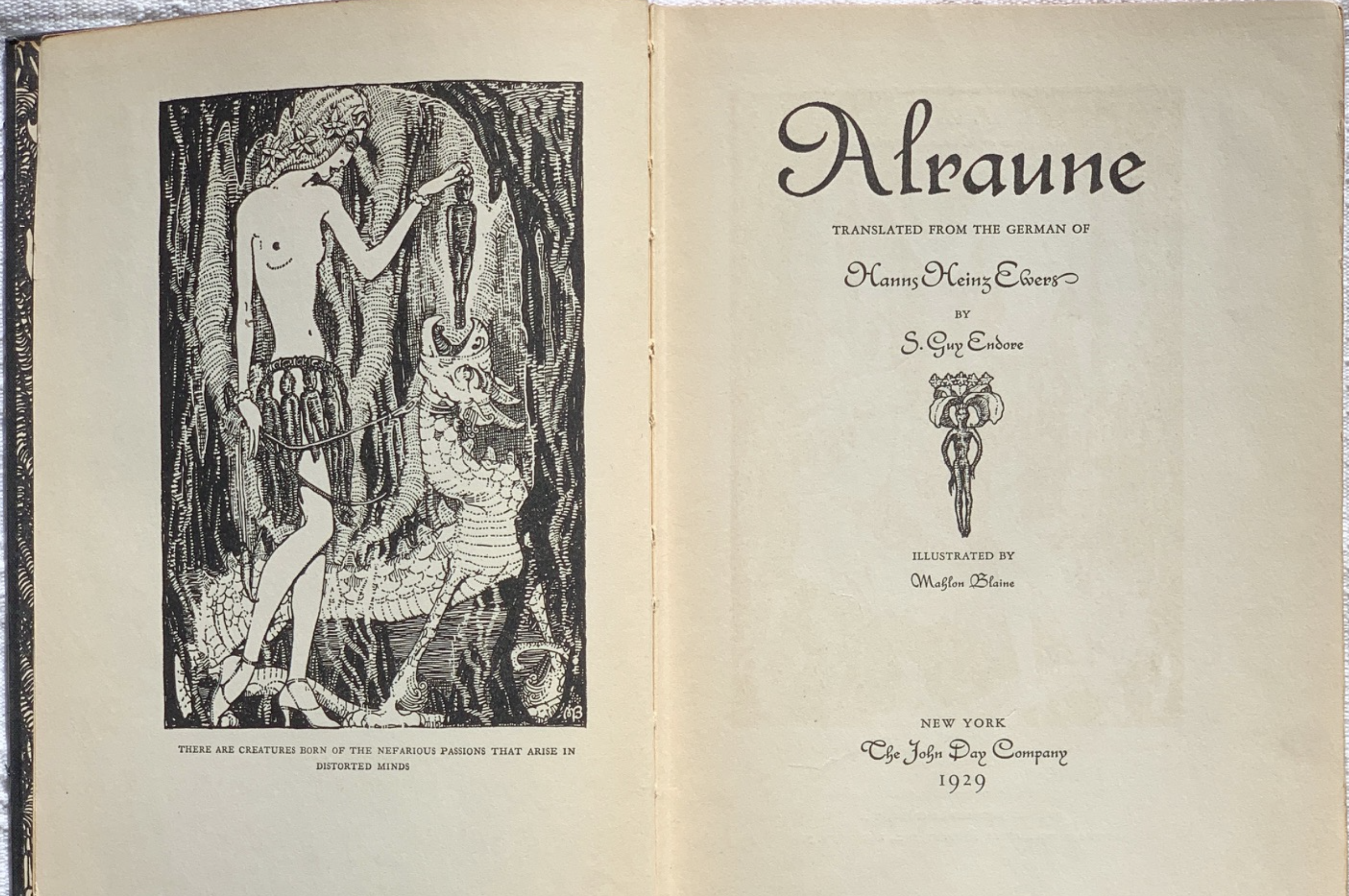
Title page of first US edition (1929)- 3000 printed. The book was translated into at least 18 languages.
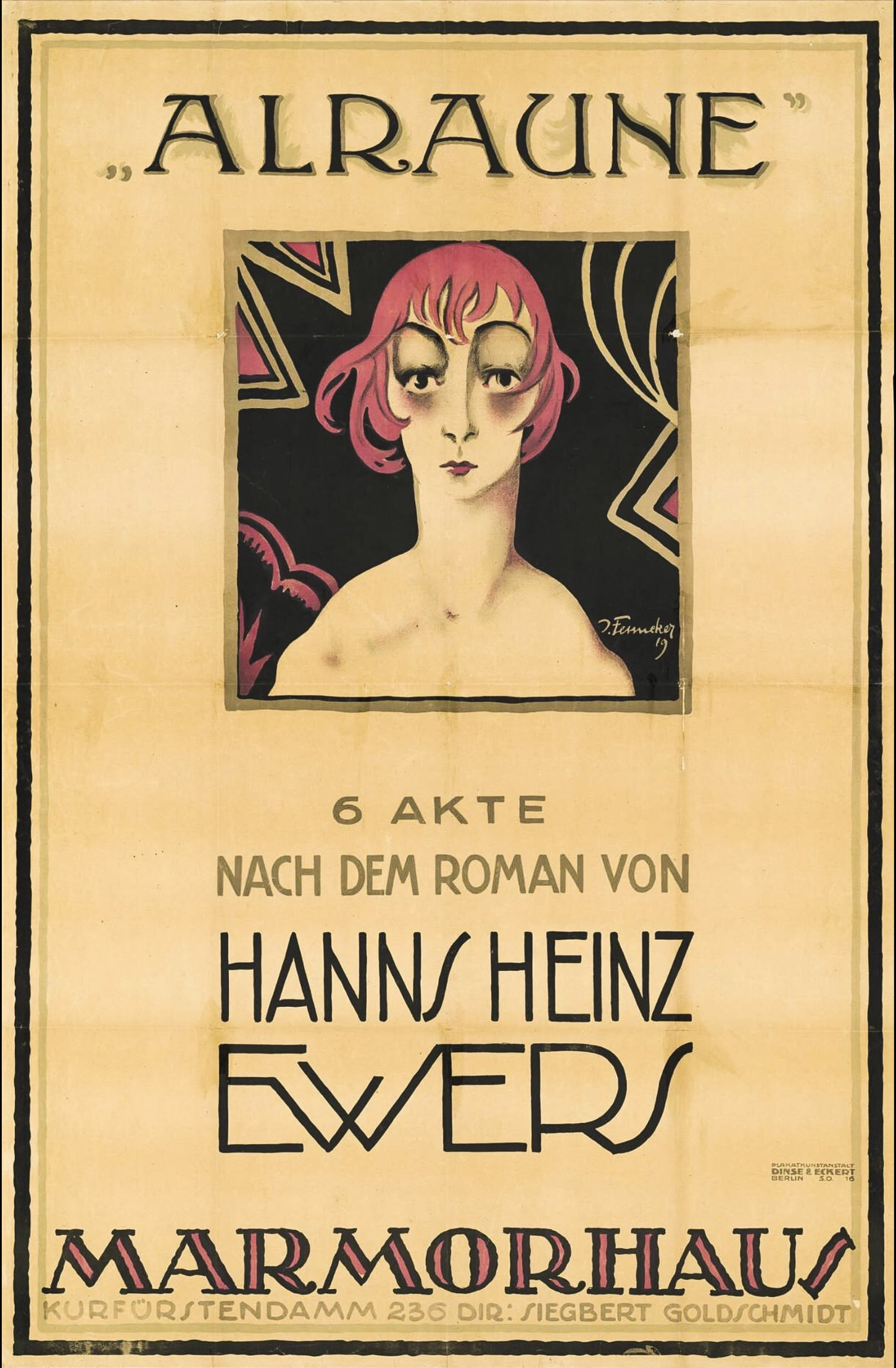
Uncertain what version this was. The Marmorhaus was a cinema owned by UFA that premiere major releases. Since important actors Briggette Helm and Paul Wegener are not mentioned it may be one of the 1918/9 versions.

The first German film to bear the title Alraune, this movie is a ghost story. While the German title, Alraune, comes from a reference to the mandrake root inmportant in the Ewers book there is nothing else connecting this with the novel upon which historians have mistakenly claimed this film was based.The poster for this 1918 version released in the U.S. as Sacrfice?
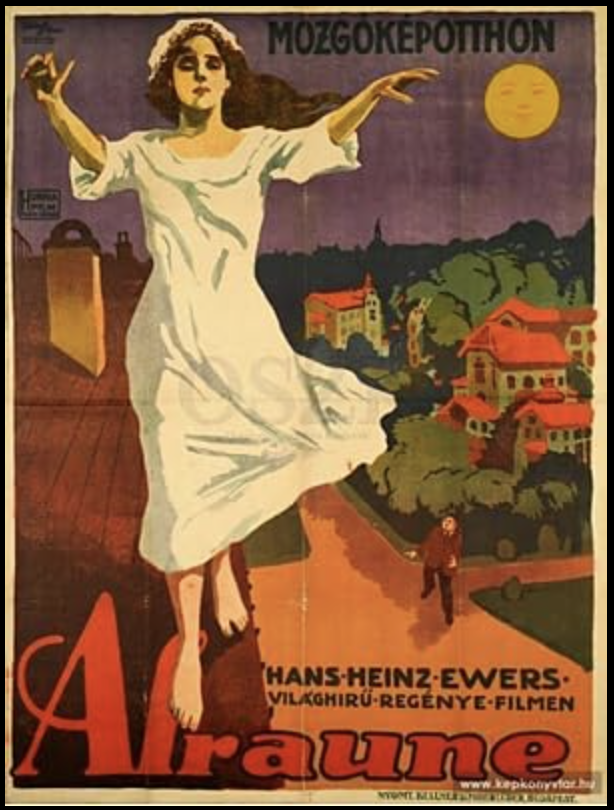
Rózsi Szöllösi in an early version of Alraune (1918)
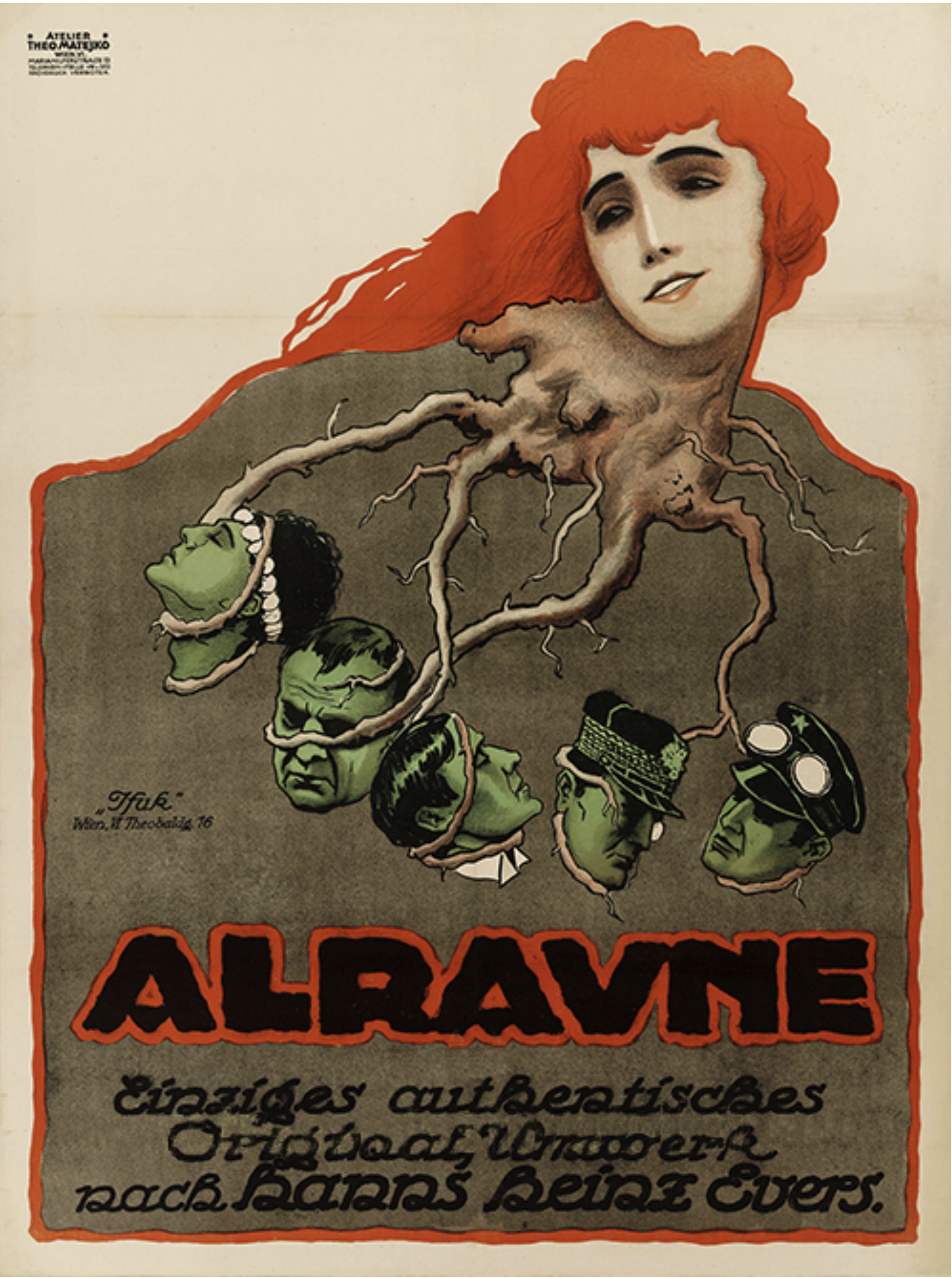
Is this poster for the 1918 Hungarian film directed by Michael Curtiz and Edmund Fritz? It starred Géza Erdélyi. Little is known about this film, which is now believed to be lost. Alraune is German for “Mandrake.” Or is might be for a film never made even though an advance poster was created according to Jay Salsberg on IMDB under Alraune und der Golem.
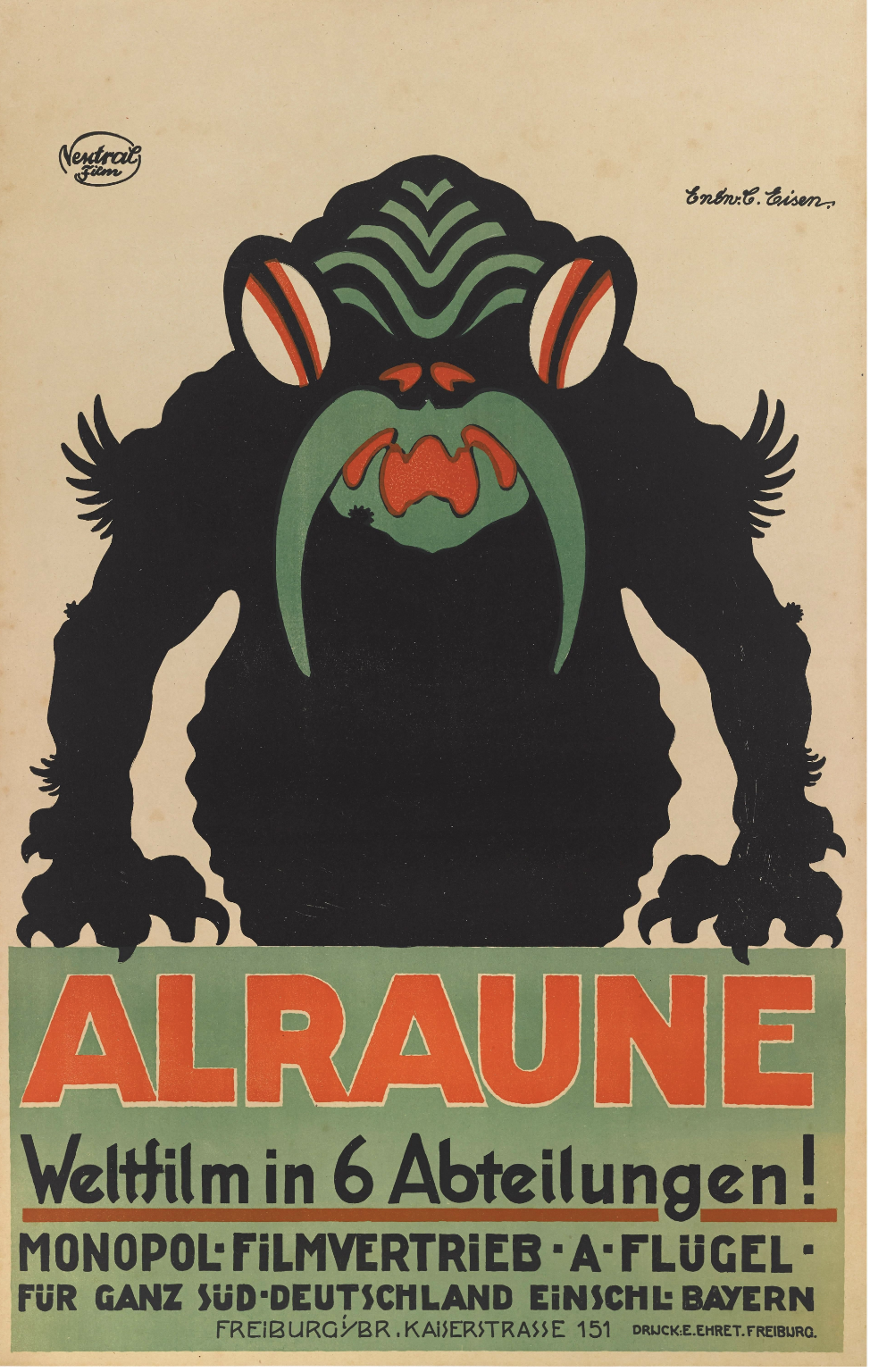
Another fascinating film poster, probably for one of the 1918/19 productions.

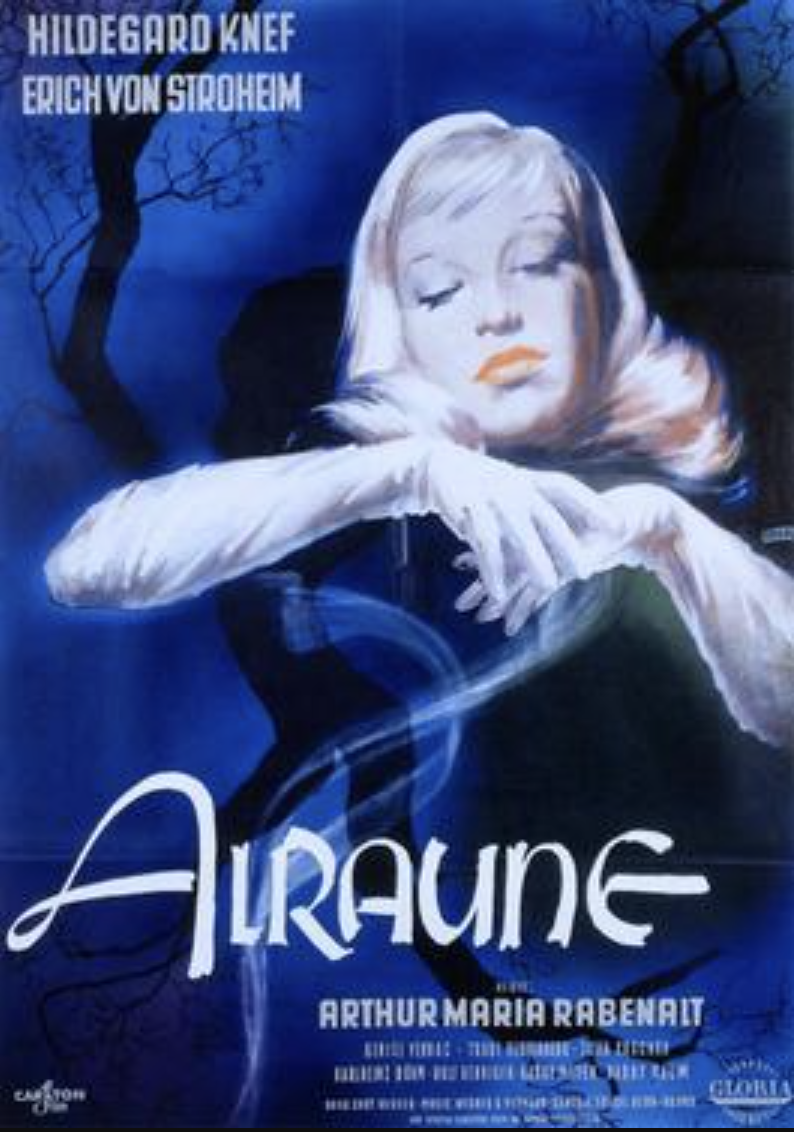
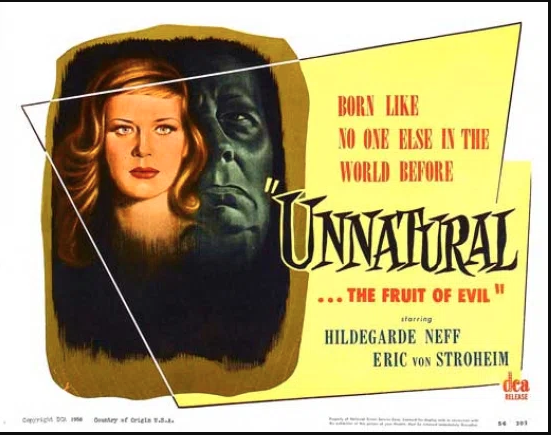
Alraune, later renamed Unnatural: The Fruit of Evil, is a 1952 black and white West German science fiction film directed by Arthur Maria Rabenalt,, starring Hildegard Knef and Erich von Stroheim.
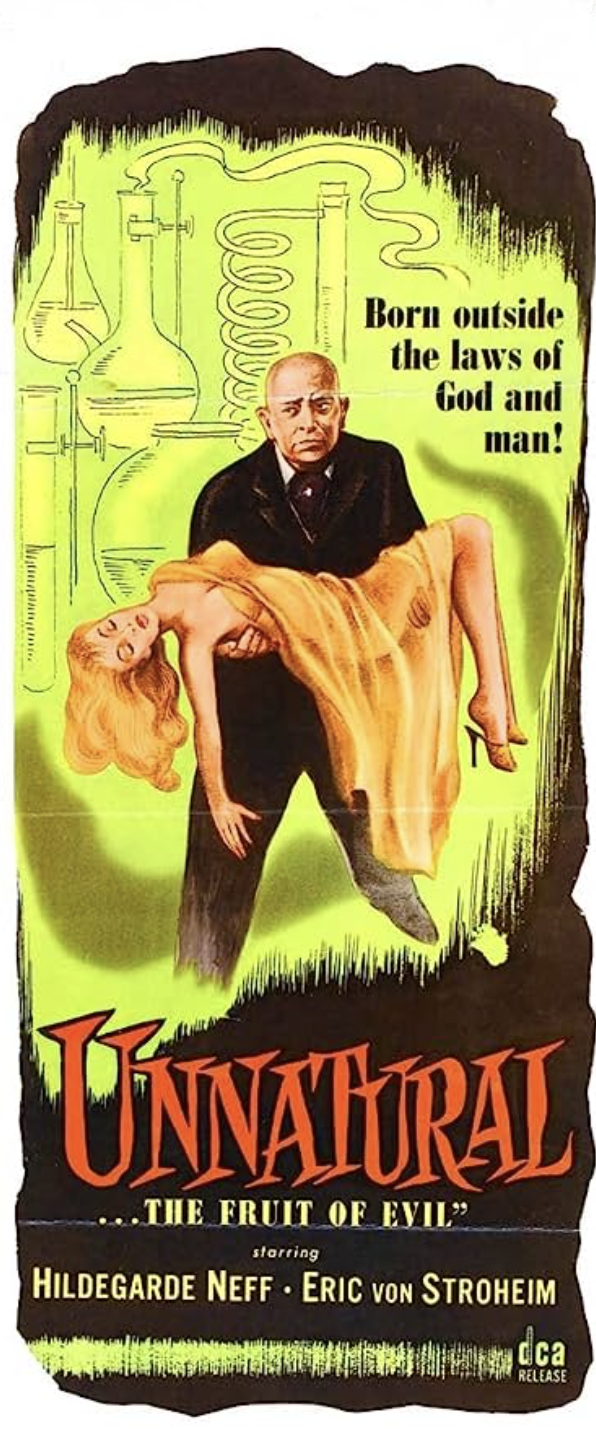
The American release posters

French poster

New York stage production (2018)

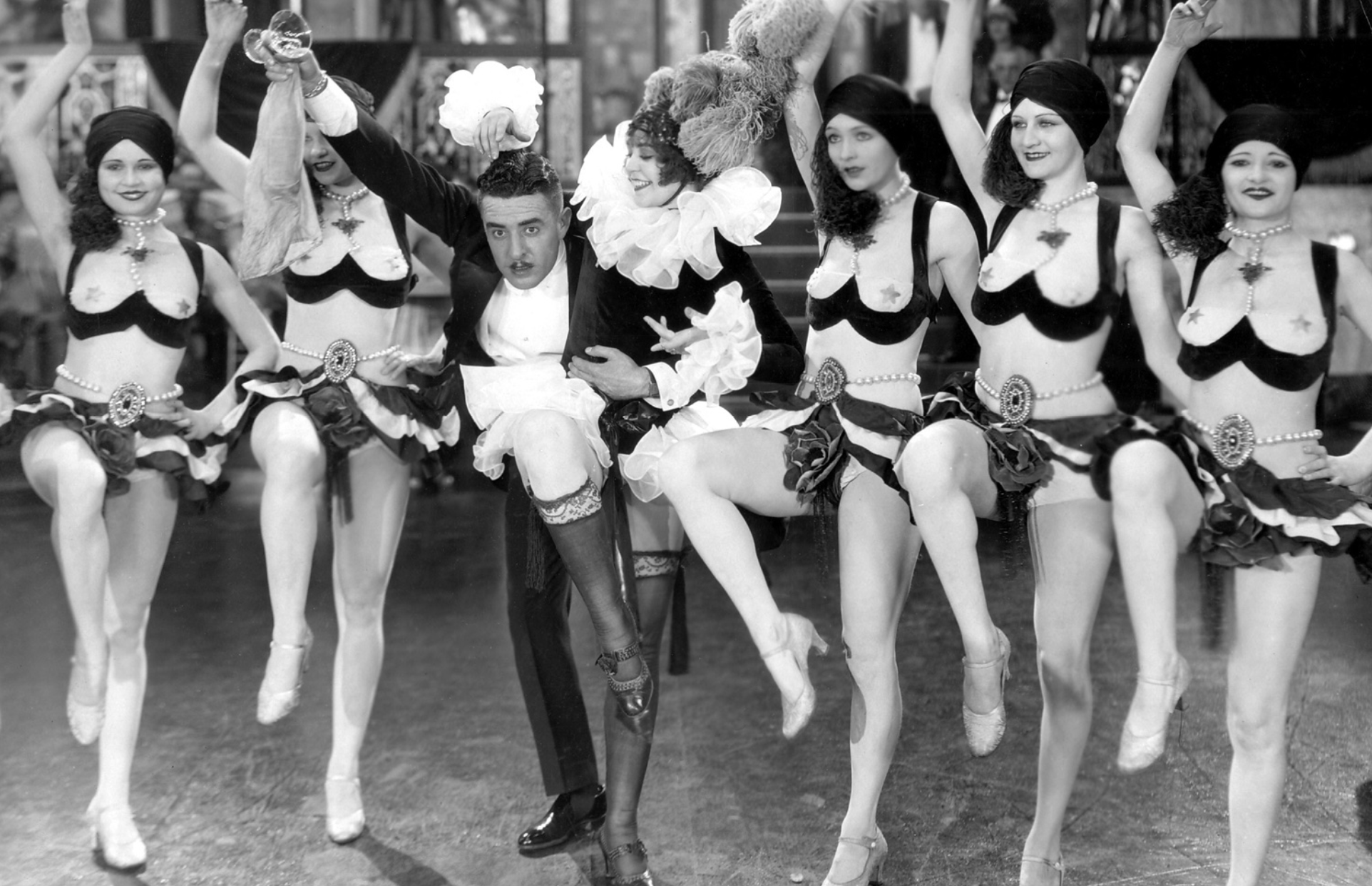
Upon first glance this publicity photo appears to show a more revealing image than the colored and more inoocent lobby card below.


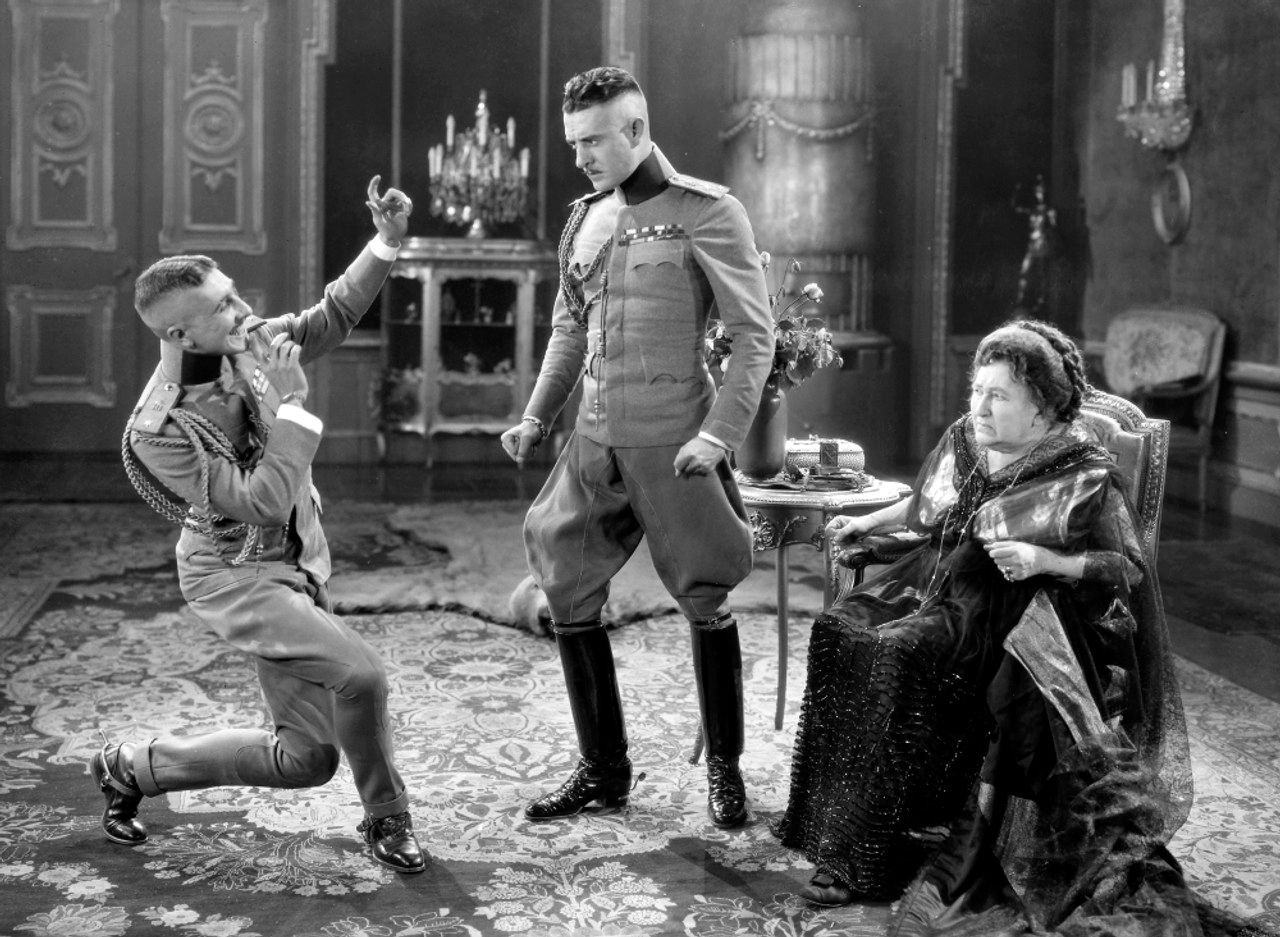
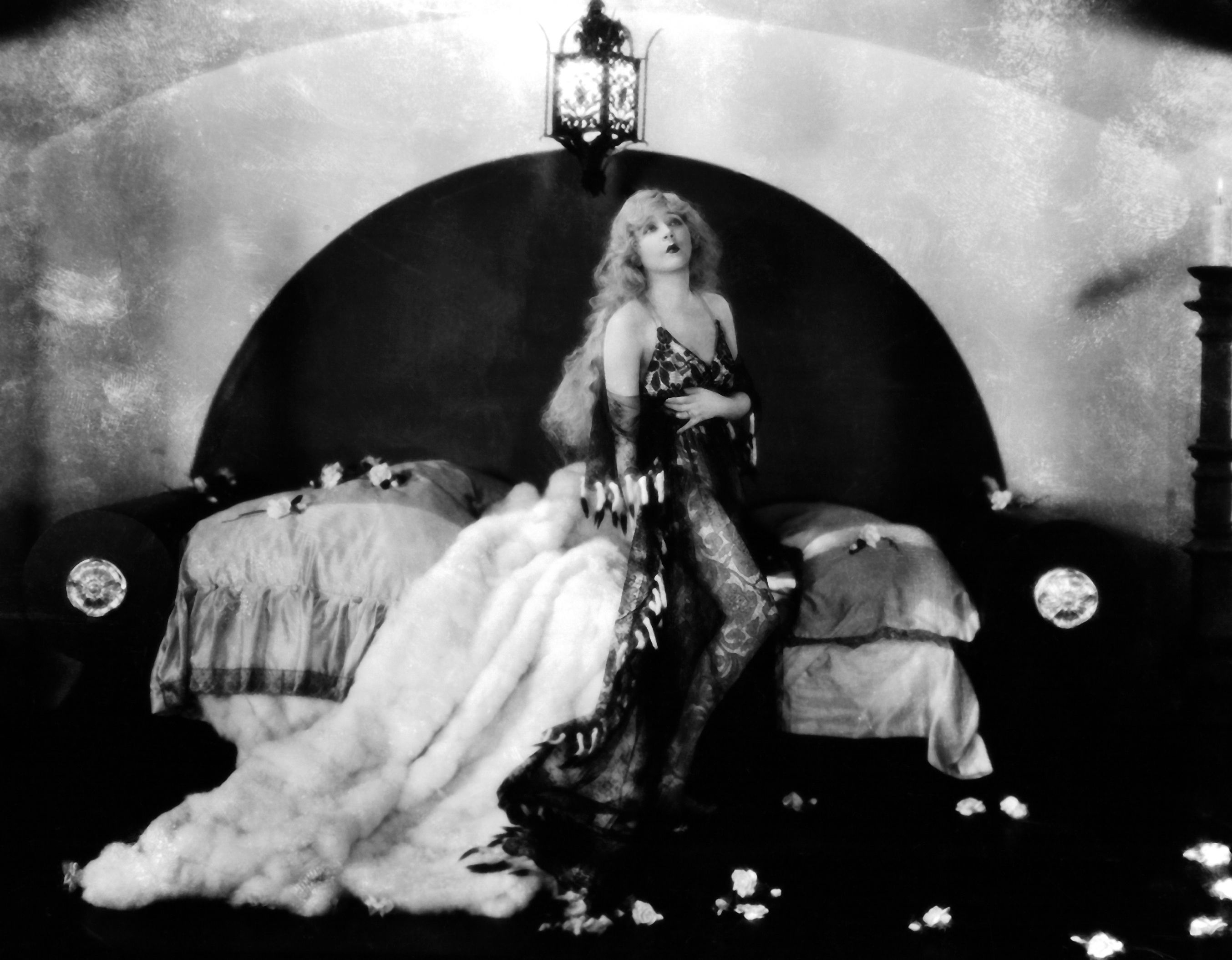
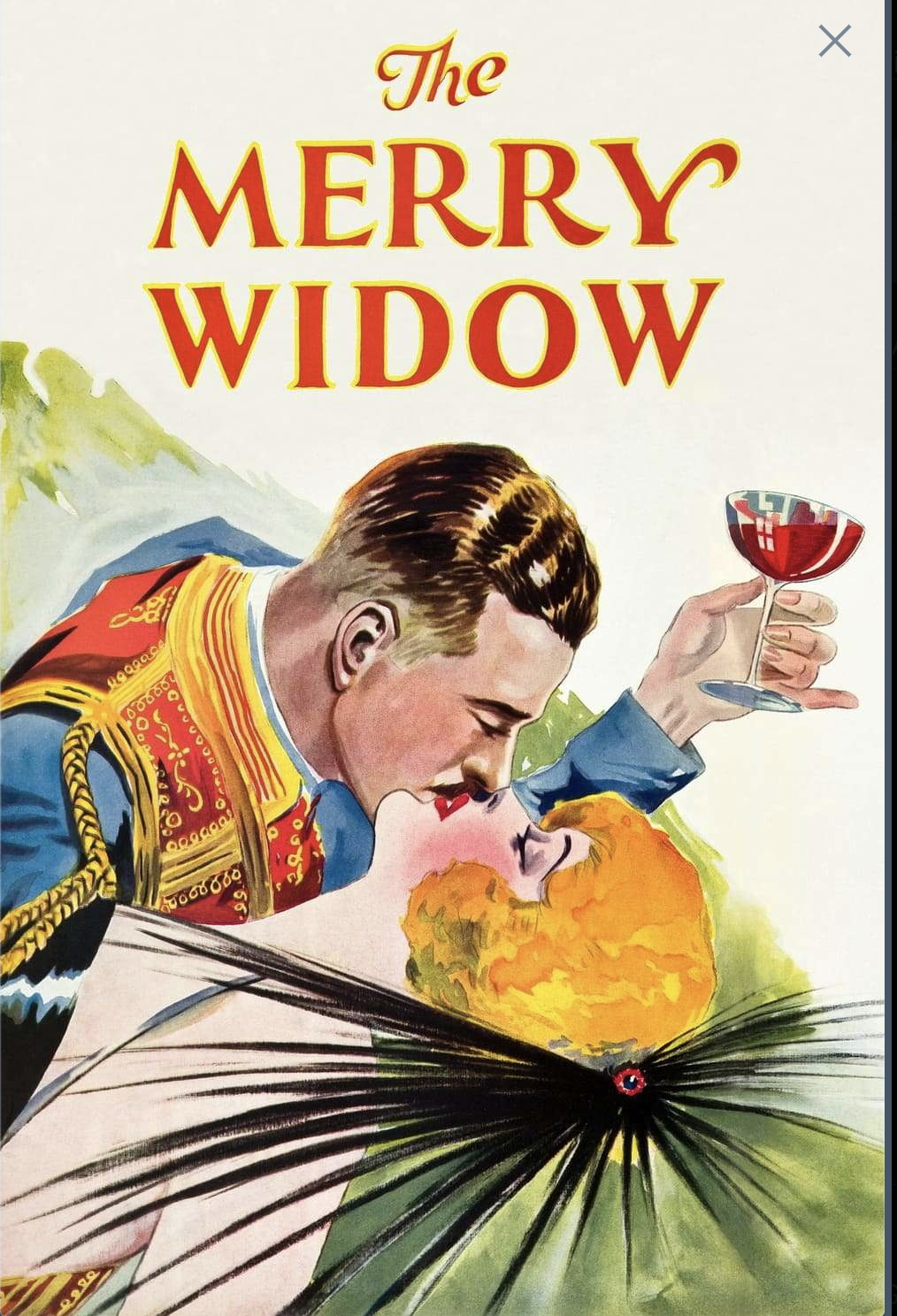
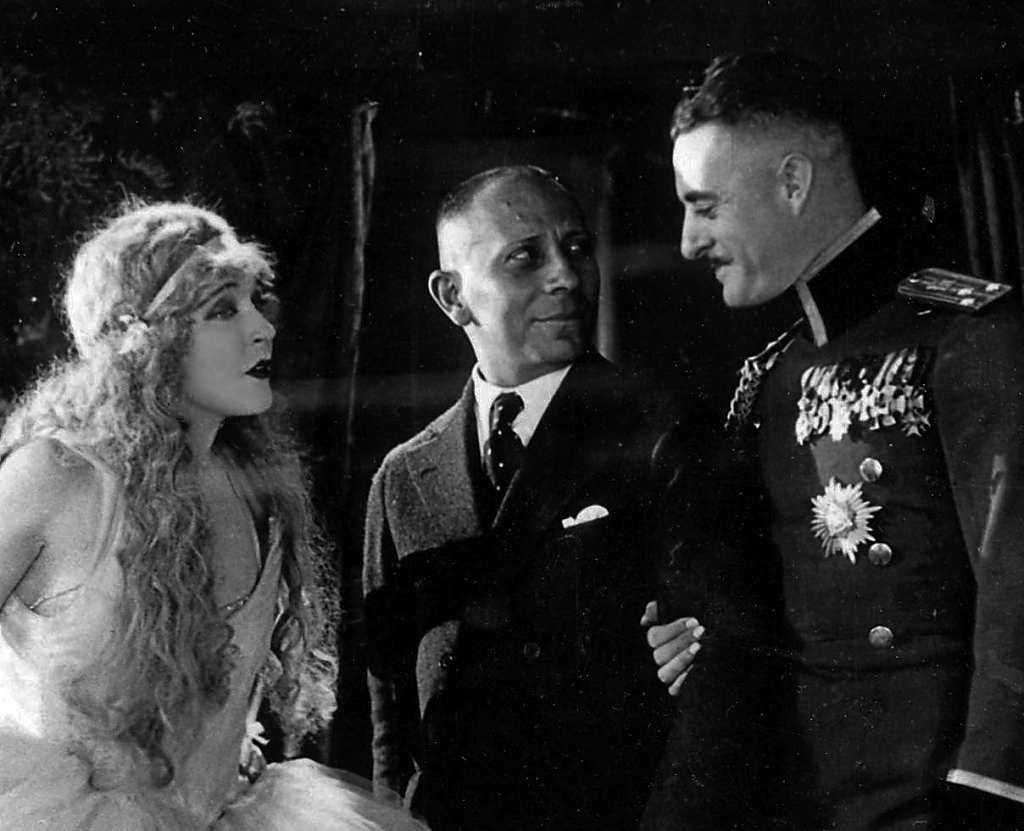
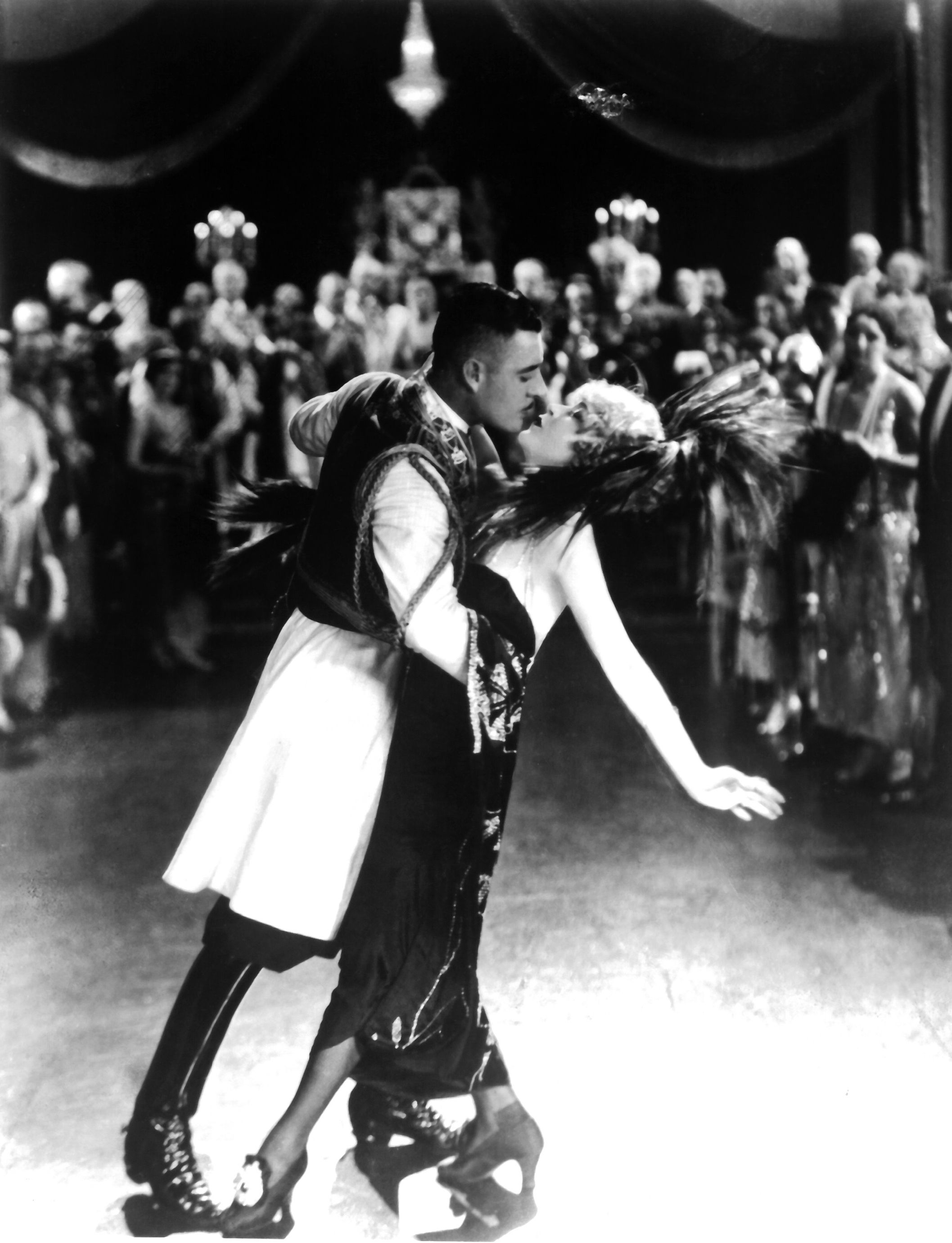
Reportedly rare Technicolor sequence from Russian nitrate print-but might be a recent recreation.
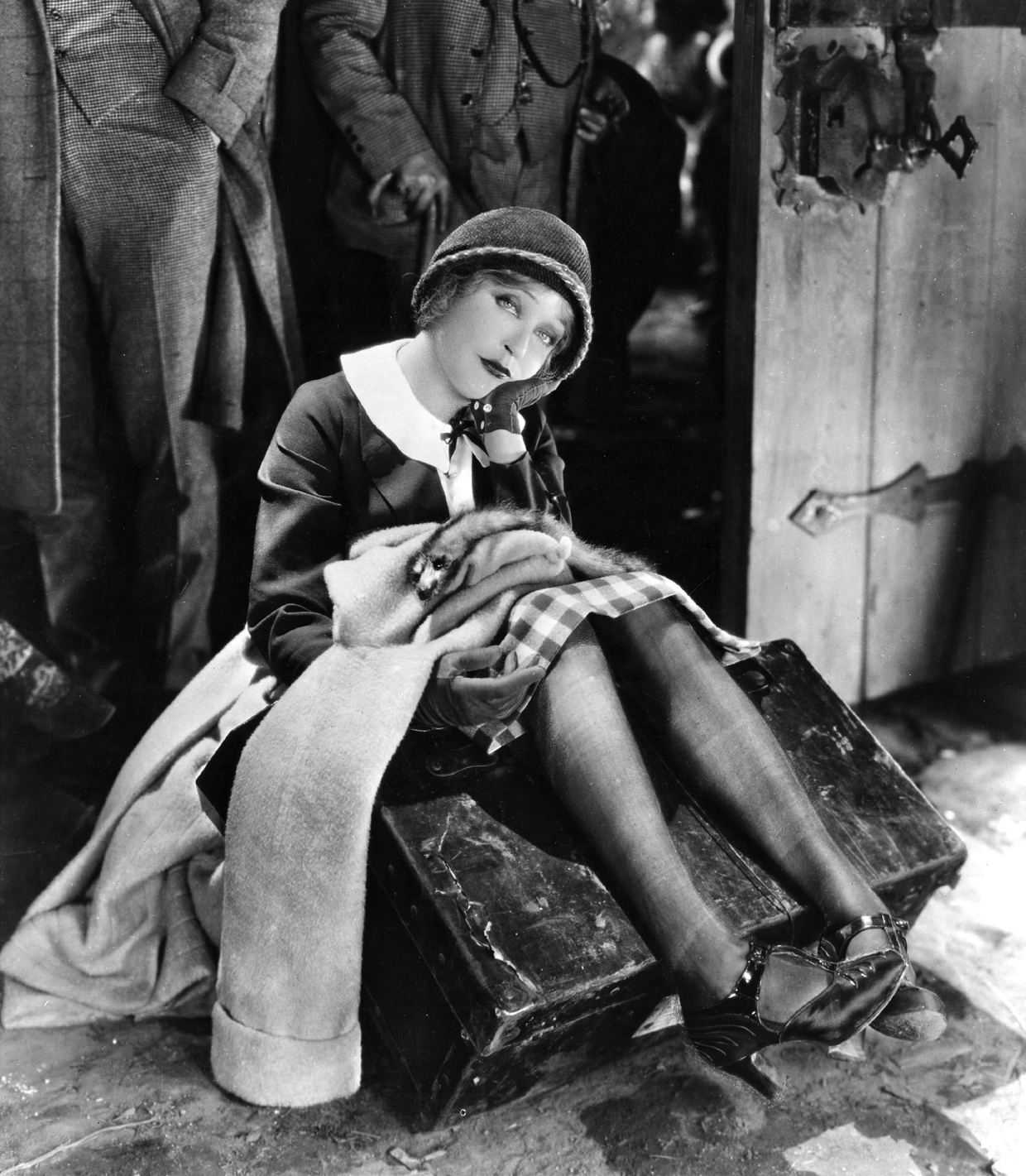

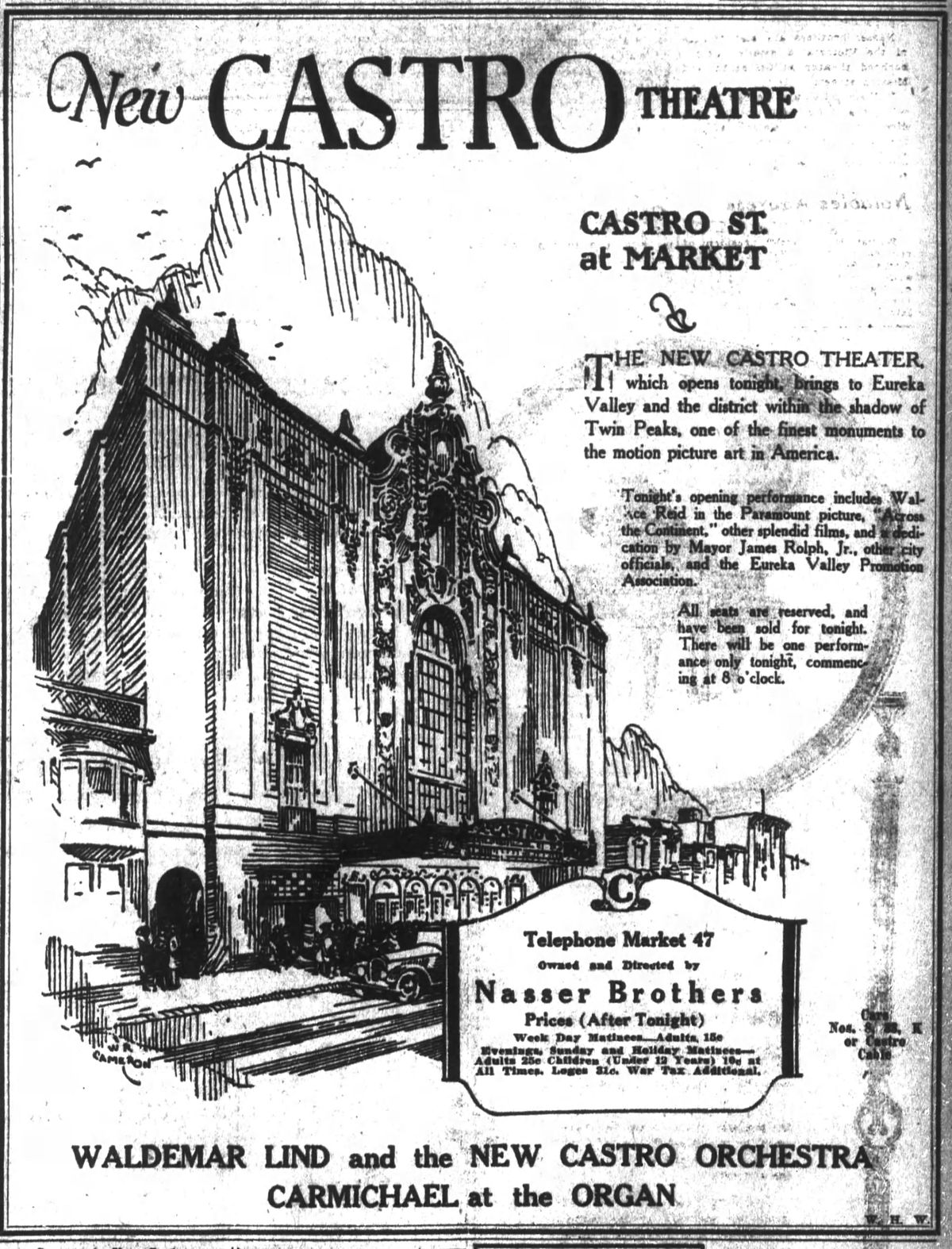
The Castro Theatre is over 100 years old. Learn all about its incredible history on Bill Counter’s San Francisco Theatres blog.

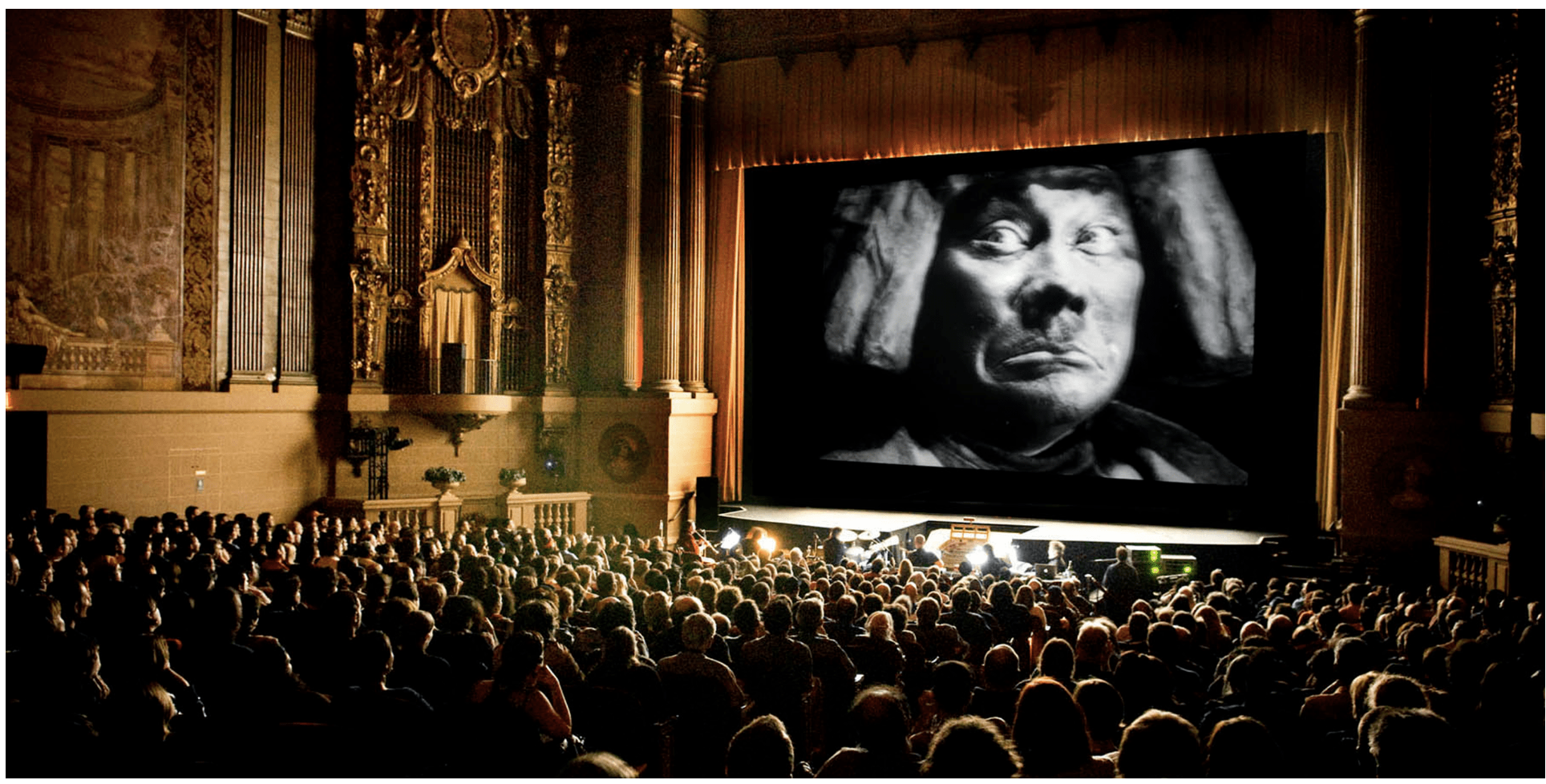
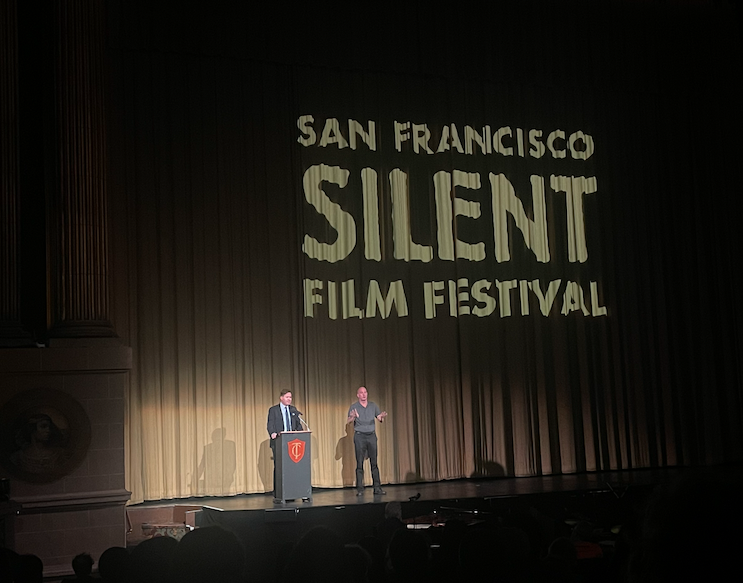
Jeffrey Vance introduces THE IRON MASK at the Castro on Silent Film Festival’s Opening Night, July 12, 2023
Meredith Brody, a graduate of both the Paris Cordon Bleu cooking school and USC film school, has been the restaurant critic for, among others, the Village Voice, LA Weekly, and SF Weekly, and has written for countless film magazines and websites including Cahiers du Cinema, Film Comment, and Indiewire. Her writings on books, theater, television, and travel have appeared in the New York Times, the Los Angeles Times, and Interview. She also contributes to EatDrinkFilms including her“Meals with Meredith,” where she talks about food and film with filmmakers at restaurants in northern California, writes about vintage cocktails and where she eats during film festivals at the Castro Theatre in San Francisco. A selection of her EDF pieces are found here.
One could describe Meredith as “hooked on cinema” as she attends four-five films a day at many bay area and international festivals each year. Somebody has to do it. Read about her journey back to festivals after two years in pandemic mode.
 eatdrinkfilms.com