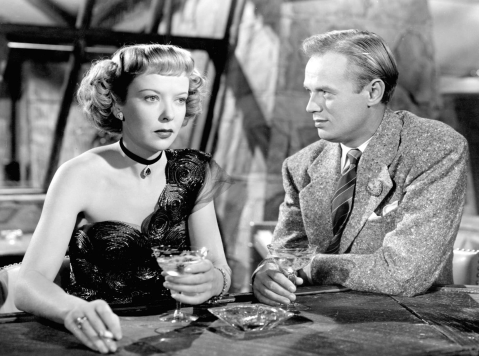
Try This Ida Lupino Noir Bar Cocktail

“Noir City-Face the Music” is in full swing at the Grand Lake Theatre in Oakland as the launch of its eight city tour.

Eddie Muller—host of TCM’s Noir Alley, one of the world’s leading authorities on film noir, and cocktail connoisseur—takes film buffs and drinks enthusiasts alike on a spirited tour through the “dark city” of film noir in this stylish book packed with equal parts great cocktail recipes and noir lore. Continue reading

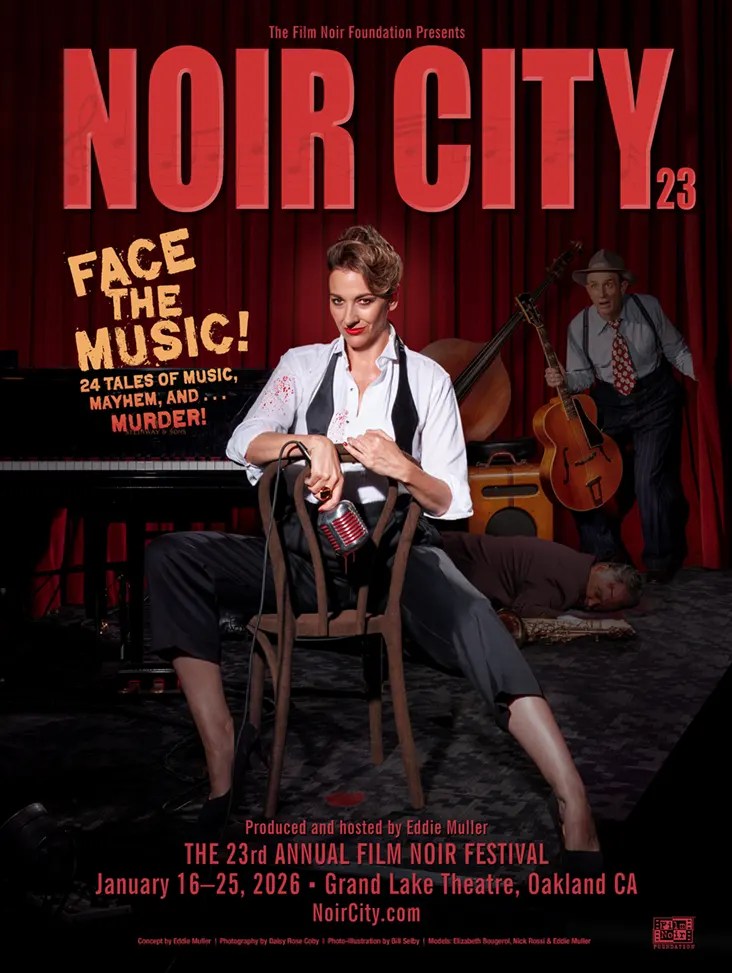
Noir City 23 to The Rescue!

Anticipating This Year’s Music-Themed Fest With Delight

by Meredith Brody.  (January 13,2026)

I love Eddie Muller’s Noir City film festivals; I don’t think I’ve missed a one since his first edition in Los Angeles at the American Cinematheque in 1999, four years before SF’s first Noir City.

I start out perusing the list of 24 films (paired in a dozen double bills) in my usual somewhat-blinkered and mildly narcissistic fashion: which ones are new to me? Since I’ve been seeking out film noir since before I went to college, and my first post-college publication in book form was in Alain Silver and Elizabeth Ward’s first “Encyclopedia of Film Noir” back in 1979, it’s not totally a surprise that there are only two that qualify: the British Face the Music aka The Deadly Glove (1954), and The Crimson Canary (1945), neither of which I’ve even heard of.

Continue reading

EATING and DRINKING FILMS & MORE From THE SEATTLE FILM FESTIVAL

By Vince Keenan

The 51st Seattle International Film Festival drew to a close on May 25, with a selection of entries available via streaming through June 1. At this year’s fest, I paid particular attention to nonfiction titles spotlighting the troika of subjects that matter most to EatDrinkFilms readers. Let’s begin with a libation.

Wine has its sommeliers, beer its cicerones. As the craft cocktail revolution took hold in the aughts, six authorities on spirits launched a program that would provide similar certification to bartenders. Continue reading

Noir City 22’s Wicked Women Thrills

(January 15, 2025)

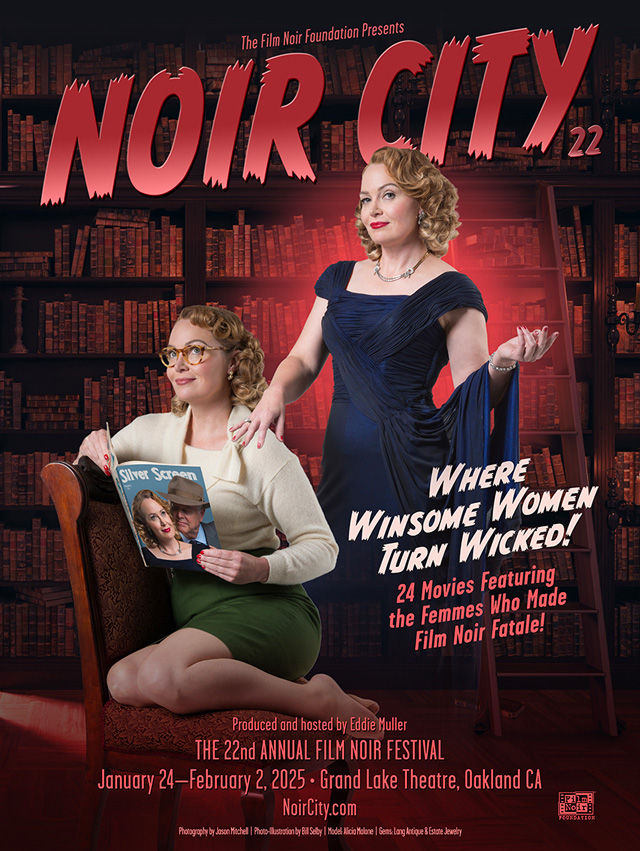
“Where Winsome Women Turn Wicked!” is the theme of this year’s Noir City featuring 24 gritty thrillers in the best possible prints, in 35mm when available. All double bills—two movies for the price of one,  “I think it’s important to make note of the problematic content and say things like, ‘Well, yes, the women had to be punished at the end of these movies,’ ” TCM host Alicia Malone told G. Allen Johnson for his excellent SF Chronicle article on the Festival. “But that also doesn’t negate the fact that for most of the film, you get to watch a powerful woman wielding her sexuality, using it as a weapon and drawing in these hapless men and getting to play, for these actresses, unlikable, complex characters. Women were front and center and very important in noir. And even though there was a lot of misogyny, a lot of face slapping and forced kissing, it also really gave them a chance to play these complex characters at a time when women didn’t have power.”

Continue reading

Eddie Muller’s NOIR BAR Cocktail Recipes for The Reckless Moment and Phantom Lady

“Eddie Muller—host of TCM’s Noir Alley, one of the world’s leading authorities on film noir, and cocktail connoisseur—takes film buffs and drinks enthusiasts alike on a spirited tour through the “dark city” of film noir in this stylish book packed with equal parts great cocktail recipes and noir lore.”

Photo courtesy of Tim Millard and “A Sip of Noir” podcast interviewing Eddie Muller.

Continue reading

155 RARE FRENCH NOIRS CAN’T BE WRONG

By Owen Field

THE sheer monumentality of Don Malcolm’s THE FRENCH HAD A NAME FOR IT “festival of the lost continent” has been difficult to grasp over its ten-year run. It resembles a whale obscured in a misty ocean—in this case, a mist-enshrouded history with some surprising historical suppressions.

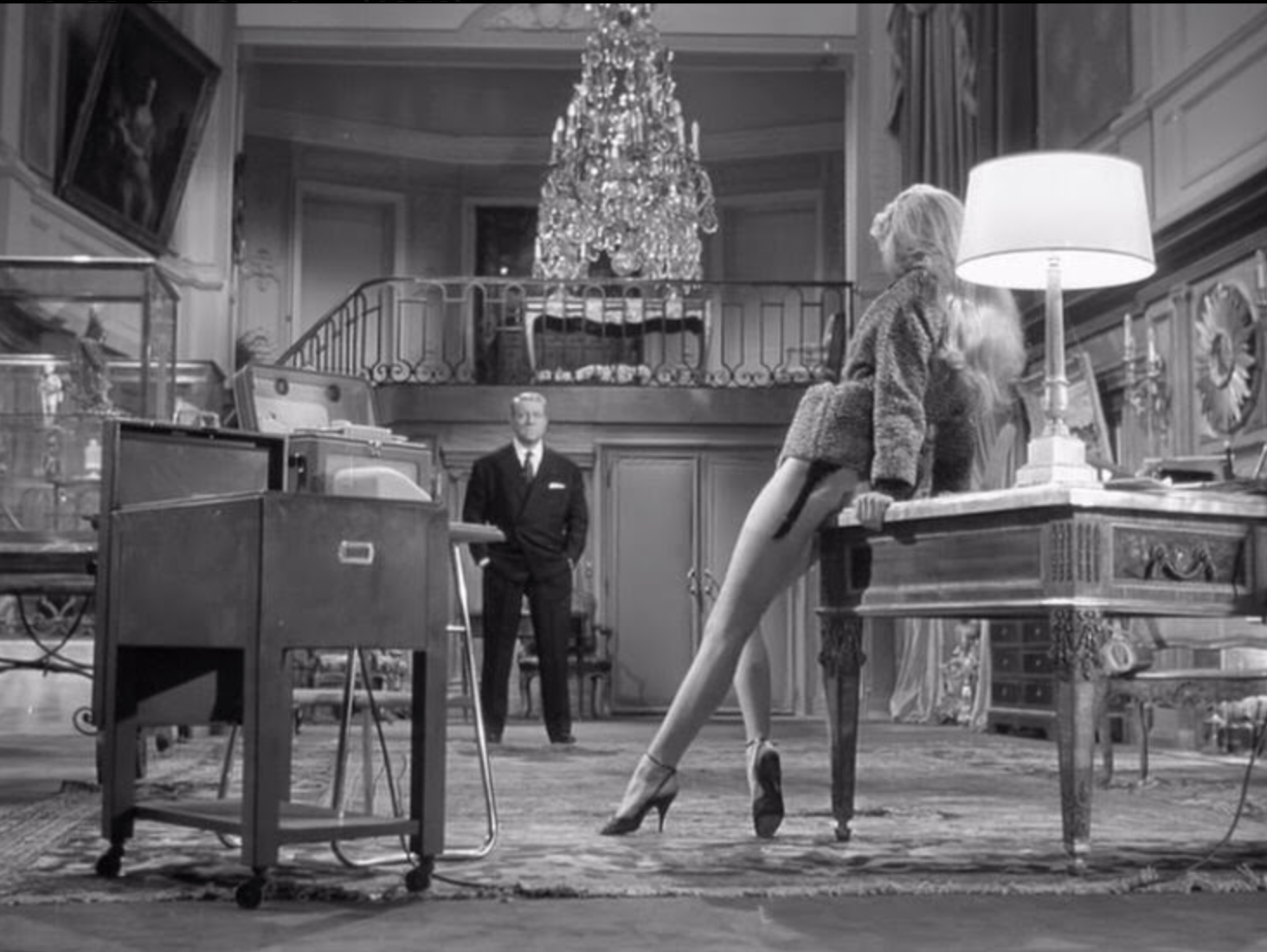
Jean Gabin and Brigette Bardot in LOVE IS MY PROFESSION / EN CAS DE MALHEUR

Its singular insistence on a radically revised paradigm for the history of film noir is a bridge too far for those all too comfortable with either the “American exceptionalist” origin theories or the nebulous “darkness has no borders” mantra that steadfastly sidesteps Malcolm’s central insight.

Continue reading